
Introduction
Even the most beautifully furnished spaces can sometimes feel flat, like something essential is missing. You’ve invested in the right sofa, selected elegant curtains, and painted the walls in a designer-approved shade, yet the room lacks that sense of cohesion, warmth, or character. Often, it’s the absence of table lamps, those subtle yet powerful layers of lighting, that keeps a space from feeling truly complete. It’s a common design frustration: a room that looks polished but still feels cold or impersonal.

Why So Many Stylish Rooms Still Feel Flat
Overreliance on Overhead Lighting
Ceiling lights, while useful, can flatten a room’s atmosphere if used alone. Their top-down glow often lacks the intimacy and nuance that softer layers of light provide.
Poor Zoning or Missing Accent Pieces
Without visual anchors like table lamps, it’s difficult to define zones in open-plan spaces. A reading nook, a conversation corner, or a sideboard vignette needs intentional lighting to truly stand out.
Lack of Mood-Setting Layers in Common Areas
Lighting isn’t just about visibility, it’s about feeling. When a room lacks dimmable, directional light sources, it misses the opportunity to shift ambience throughout the day or evening.

Living Room Lights: Table Lamps That Pull the Space Together
When it comes to living room lighting, many homeowners default to ceiling fixtures or a single floor lamp. While practical, these sources can leave corners feeling shadowy or stark and often fail to provide the warmth needed for evening relaxation. Table lamps are the missing layer, adding softness, sculptural form, and atmosphere. Here’s how to use them effectively in your living space:
Create soft evening ambience by using table lamps to cast warm, directional pools of light. Unlike overhead fixtures, they reduce glare and create a cocooning effect, ideal for quiet nights or relaxed gatherings.
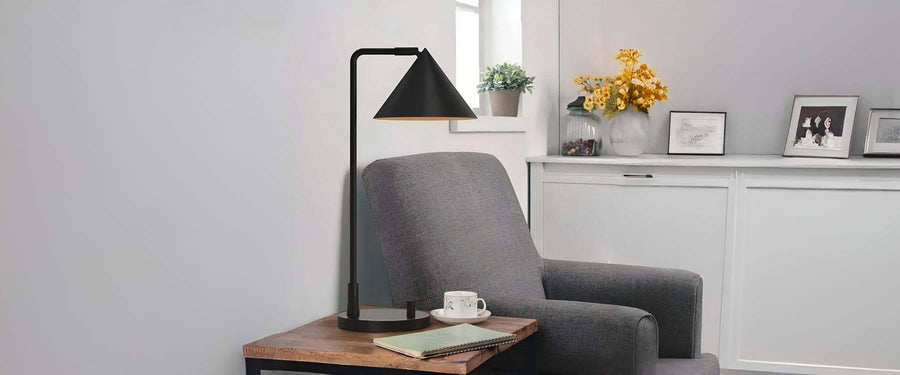
Place lamps with balance in mind. Try one on a console table behind the sofa, a pair flanking a sideboard, or a single piece on an end table next to your favourite armchair. The goal is to evenly distribute light throughout the room and avoid stark contrasts or dark patches.
Match lamp shades to your room’s existing forms. Echo shapes already found in your furniture, like round drum shades if you have a curved sofa, or oval if you lean toward elongated décor elements. It’s a subtle cue that makes a room feel more intentional.
Align lamp height with furniture lines. Visually tie your lighting to the space by choosing lamps that sit comfortably above the sofa back or coordinate with the height of a bookcase or console. This keeps the eye moving smoothly across the room.
-
Coordinate finishes without going overboard. Choose metals or materials that complement, rather than replicate, existing elements. For example, if your coffee table has brass accents, a lamp with a brass neck or base will feel cohesive, but a matching lamp-and-table set can be too much. Balance is key.

Bedroom Lights: Creating Calm with Table Lamps
Bedrooms are often lit too harshly, with ceiling fixtures that overpower rather than soothe. Swapping overhead glare for softer, layered lighting creates a far more restful atmosphere. Table lamps are an essential part of this transformation, offering comfort, character, and calm. Here's how to use them effectively:
Replace harsh overheads with gentle layers. Position table lamps on nightstands, dressers, or side tables to cast a softer glow that encourages relaxation. Their proximity and lower placement make the room feel more grounded and intimate.
Coordinate lamp bases with existing decor. Choose materials that reflect your room’s tone, such as matte ceramic for minimalist spaces, brushed brass for vintage-inspired themes, or natural textures like stone or wood for warmth. The lamp becomes part of the visual rhythm of your bedroom.
Tie the shade into your bedding palette. Whether you favour crisp neutrals or rich, moody tones, the lamp shade can mirror your bedding or upholstery. This subtle repetition helps the room feel harmonious without looking overly styled.
Look for comfort-focused features. Dimmable table lamps are ideal for winding down, allowing you to adjust brightness gradually. Choose bulbs with warm colour temperatures and make sure the switch is within easy reach from the bed, especially if the lamp is also used for reading.
Adding table lamps to your bedroom is more than just a design choice, it’s a lifestyle upgrade that promotes better rest and a more intentional nighttime routine.

Dining Room Lights: Using Table Lamps for Mood and Layering
Dining rooms are often lit by a single statement pendant or chandelier, but that overhead source alone can leave the space feeling too rigid, formal, or washed out. Table lamps offer an easy fix, introducing atmosphere, softness, and style. Here's how to use them thoughtfully in your dining area:
Soften the mood beyond overhead lights. While ceiling fixtures provide general illumination, they rarely offer the warmth needed for intimate dinners or relaxed gatherings. Table lamps create inviting pockets of light that make the room feel less staged and more lived-in.
Place buffet-style lamps on sideboards or consoles. These strategic placements help frame the room’s edges, adding visual depth and guiding the eye across the space. The glow from table lamps gently washes the walls, enhancing paint colours, artwork, or decorative mouldings.
Coordinate with furniture finishes. Match lamp bases to nearby dining chairs, table legs, or cabinetry hardware to build continuity. A black metal base might echo a dark wood table; a warm-toned ceramic could reflect the finish of a vintage hutch.
Choose shades that complement your palette. Go for linen in soft neutrals for subtle cohesion or opt for bolder shades if your decor skews eclectic. Just make sure the shade colour ties in with your existing scheme, whether it’s the drapes, rug, or tableware—for visual balance.
Bringing table lamps into the dining room isn’t just about adding light, it’s about shaping the mood and enhancing the room’s identity beyond mealtimes.

How to Match Table Lamps Across Rooms Without Clashing
Choosing the Right Materials
When styling table lamps across multiple rooms, uniformity isn't the goal, cohesion is. Think beyond one-note finishes and consider how different textures and materials can speak to each other. A hand-glazed ceramic lamp in the bedroom, for example, can share a visual language with a smoked glass base in the dining room if both echo similar earthy undertones or artisanal shapes. If you lean into natural materials like travertine, linen, or hammered metal, allow one dominant texture to carry through your home while contrasting it with other finishes to avoid visual repetition.
Also consider the mood each material evokes. Matte black metal might ground a minimalist space, while mercury glass adds a touch of elegance to traditional interiors. If one room leans warm and rustic and another more tailored or refined, your table lamps can act as the bridging elements, tying them together without sacrificing individuality.

Coordinating Without Repeating
Instead of duplicating lamps across different rooms, aim for tonal or stylistic alignment. For instance, if your living room table lamp has an ivory drum shade and warm brass stem, your bedroom could feature a similar warm metal base with a tapered or rectangular shade. This approach reinforces continuity while still allowing for creativity.
Colour is key. Soft gold or brushed nickel used consistently throughout can make the transition between rooms feel intentional, but avoid using the same exact lamp model multiple times. It can flatten your space and make it feel overly staged. Instead, find harmony in silhouette, hue, or base detailing. Visual rhythm, not perfect symmetry, is what creates a designer-level finish.
Mixing Pairs vs. Solo Statements
In some cases, pairs are essential. A pair of matching table lamps can anchor a symmetrical bedroom layout, especially when placed on either side of the bed. They bring order and balance, and when matched to the headboard or bedding accents, they amplify cohesion. The same applies to living room fireplace mantels or sideboards where formality and structure are desired.
However, solo lamps have just as much impact. In more eclectic or layered interiors, an asymmetrical approach often feels more lived-in and interesting. A tall sculptural lamp on one side of the sofa balanced by a lower, more compact piece across the room introduces movement. Don’t be afraid to mix base shapes, shade sizes, or even brightness levels, as long as they serve the room’s mood and function.
Remember: table lamps don’t have to match to belong. Let them reflect the personality of each space while maintaining enough connection to feel like part of the same design story. The result is a home that feels thoughtful, layered, and effortlessly stylish.

Styling Checklist: Placement, Height & Layering Tips
Practical Placement by Room
Living rooms: End tables, sideboards, and behind sectional sofas
Bedrooms: Bedside tables, dressers, reading corners
Dining rooms: Sideboards, bar carts, or low consoles
Sizing and Layering Guidelines
Keep lamp height between 24–30 inches in living and dining areas for balance. In bedrooms, slightly lower heights work well for seated or lying positions. Use table lamps as part of a layered scheme: combine with wall sconces, candles, and natural light for depth.
Avoiding Common Mistakes
Don't overcrowd surfaces, leave breathing space around your lamp. Avoid placing lamps where they'll obstruct sightlines across a room. Consider the bulb type and shade opacity to control brightness levels and diffusion.

Conclusion: The Warmth and Structure Every Room Needs
When a room feels unfinished, impersonal, or just not quite right, the issue is rarely what’s there, it’s what’s missing. Table lamps fill that gap with warmth, visual structure, and quiet elegance. Whether softening corners, highlighting textures, or guiding the eye across a space, they work hard without demanding attention.
If you're searching for living room lights, bedroom lights, or dining room lights that bring both personality and function, don’t underestimate the impact of a single, well-placed table lamp. It might be the small piece that finally makes your home feel complete.