
Introduction
Batten lights are a smart choice when you want clean, even illumination without visual clutter. Done well, they can make kitchens, hallways, and work zones feel brighter and more practical. Done badly, they can look stark, cause glare, or feel out of place with the rest of your fittings. From kitchens to corridors, I’ve seen what works best and what to avoid when selecting batten lights for real homes.
This guide covers one clear angle: The dos and don’ts when selecting batten lights for your home. You’ll learn what to prioritise, what to avoid, how to prevent style clashes, how to pair linear fittings with other fixtures, and how to choose a size that suits the room.

What are Batten Lights, and What are They Used For?
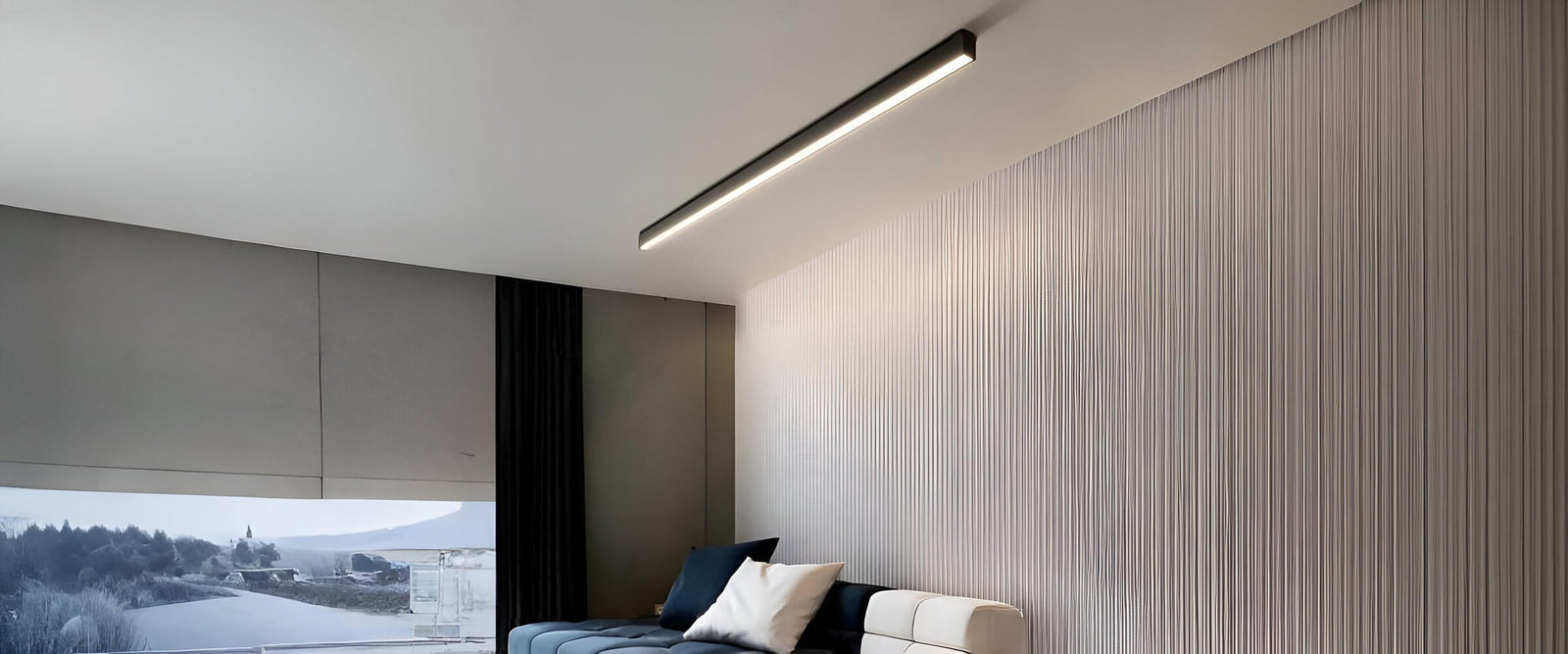
Batten lights are slim, linear fittings designed to give consistent, practical light across an area.
They’re typically mounted on the ceiling or high on a wall, making them ideal for spaces where you want strong coverage and minimal fuss.
In the past, people associated batten fittings with garages and utility rooms. Today’s options are far more refined, with diffusers that soften glare and finishes that sit neatly against modern ceilings. They’re especially useful where you need uniform light for tasks, cleaning, storage, or safe movement through the home.

What Should You Do First When Choosing Batten Lights?
Start by matching the fitting to the room’s function and proportions.
That single step prevents most of the issues people run into later.
Do think about how the room is used
Ask yourself what the space needs at different times of day:
In a kitchen, you want clear light for chopping, cooking, and cleaning.
In a hallway, you want comfortable brightness without harsh shadows.
In a home office, you need steady light that won’t strain your eyes.
If the room does more than one job, plan for flexibility. A single fitting can work, but layered lighting often feels better.
Do decide whether you need straight coverage or zone lighting
A long, linear fitting provides an even spread across a surface. That’s perfect for:
Worktops and utility benches
Circulation routes
Storage areas
If your room has distinct zones, you may get better results by positioning the light where it matters most, rather than centring it by habit.

How Do You Choose The Right Size of Batten Lights?
Batten lights should be sized to suit the room’s scale and the specific area you want to illuminate. Too short and the room feels patchy; too long and the ceiling can feel clinical.
Here’s a practical way to think about size in a typical home:
600-900mm: Cupboards, pantries, small utility areas, and narrow corridors
1200mm: Most kitchens, home offices, medium utility rooms
1500mm+ or multiple fittings: Garages, long hallways, larger open-plan work zones
Also consider ceiling height. Higher ceilings can take slightly longer fittings and higher output without feeling overpowering. Lower ceilings need better diffusion to reduce glare.
Don’t size by guesswork: If you can, mark the proposed length on the ceiling with painter’s tape. You’ll see immediately whether it looks balanced.

What are The Biggest Don’ts With Batten Lights?
Don’t treat them as a last-minute add-on. Because these fittings are simple, poor placement or mismatched light quality becomes obvious the moment you switch them on.
Don’t ignore glare and diffusion
If the room has reflective surfaces (tiles, gloss cupboards, mirrors), glare is the real enemy. Choose fittings with:
opal or prismatic diffusers
recessed LED boards where possible
a beam that spreads evenly rather than creating bright hotspots
A glare-free fitting will feel brighter and more comfortable, even at lower output.
Don’t default to the coolest white light
Cool white can feel harsh in a home. For most interior spaces, a neutral tone gives clarity without the starkness.
Warm white (2700-3000K): relaxed areas, softer mood
Neutral white (3500-4000K): kitchens, hallways, utility rooms
Cool white (5000K+): garages and workshop-style spaces
If you want one rule of thumb: neutral white works in most practical rooms without looking clinical.

Which Style Clashes Should You Avoid With Batten Lights?
Avoid pairings where the fitting fights the room’s character instead of supporting it.
Batten fittings can look excellent, but only when they make sense with the surrounding choices.
Don’t mix minimalist lines with ornate features by accident
If your space includes traditional details like ceiling roses, heavy cornices, or decorative chandeliers, a stark linear fitting can look out of place. That doesn’t mean you can’t use it but you need a clear reason.
A better approach is to:
use the linear fitting in back-of-house areas (utility, pantry)
use more decorative fixtures in front-of-house rooms
keep visible finishes consistent so the scheme feels intentional
Don’t mismatch finishes across the ceiling
A bright white fitting in a ceiling full of black, bronze, or brass accents can look like an afterthought. If you have feature pendants or statement hardware, choose a batten finish that blends in.
For projects where you’re combining different styles across rooms, modular lights can help you keep a consistent design language while adapting the fittings to each space.

How Should You Pair Batten Lights With Other Fixtures?
Pair batten lights with other layers so the room feels balanced, not flat.
A single ceiling fitting can light a space, but it rarely creates the most comfortable result on its own.
Do use layering for comfort and control
Strong linear coverage is brilliant for function, but secondary lighting adds warmth and flexibility:
In kitchens: combine linear ceiling light with under-cabinet lighting
In hallways: add wall lights for a softer welcome
In offices: keep the ceiling light practical and add a desk lamp for focus
This approach reduces harsh shadows and makes the room feel lived-in rather than purely functional.
Don’t let fixtures compete
If you’re using statement pendants over an island or dining table, the linear fitting should step back. Keep it discreet, or place it where it supports the task zones without drawing attention.
If you’re selecting a complete set of fittings, I often recommend choosing a trusted brand range with consistent light quality. Power Master is a solid example where output, diffusion, and build quality tend to stay reliable across multiple fitting types.

Where do Batten Lights Work Best In The Home?
Batten lights work best in spaces where you need even, practical light and a tidy ceiling line. That usually means areas focused on tasks, movement, storage, or safety.
Common home locations include:
kitchens and pantries
utility rooms and laundry areas
garages and storage rooms
hallways and stairwells
wardrobes and dressing areas
home offices and craft corners
If you’re fitting a stairwell, corridor, or any area used at night, it’s worth thinking about what happens during a power cut. In those cases, planning alongside emergency lighting can improve safety without changing the look of your everyday scheme.

How Do You Choose and Place Batten Lights Step by Step?
Use a simple process: measure, plan the task areas, then select size and light tone.
This prevents common errors like patchy coverage, glare, or fittings that feel out of proportion.
Step-by-step: A practical selection method
Measure the room (length, width, and ceiling height).
Mark the key activity zones (worktops, walkways, storage).
Decide the role of the fitting: main light or supporting light.
Choose the length based on ceiling proportions and the zone to be lit.
Select colour temperature that suits the room’s use and finishes.
Prioritise diffusion to reduce glare, especially in bright kitchens.
Check dimming requirements if you want flexible brightness.
Plan switching so you can light only the zones you need.
Real-world example: Kitchen and utility pairing
In an average kitchen, a 1200mm fitting placed to cover the main worktop run will give clean, even light where you cook. In the adjacent utility room, a shorter fitting might be better centred over the workspace. Keeping the colour temperature consistent between the two rooms avoids a jarring change when you move between them.

Quick Summary
Batten lights are linear fittings designed for even, practical illumination.
Do match the size, diffusion, and colour temperature to the room’s function.
Don’t ignore glare, especially in rooms with glossy finishes.
Avoid style clashes by keeping finishes and design choices consistent.
Pair linear ceiling light with other fixtures for a more comfortable result.
Use a step-by-step plan to choose length, placement, and light tone with confidence.

Conclusion
Batten lights can be one of the simplest ways to make a home feel brighter and easier to use, as long as they’re chosen with purpose. Start by thinking about how the room works, then select a length that suits the space and a colour temperature that feels right for everyday living. Prioritise diffusion to avoid glare, and keep finishes consistent so the fitting doesn’t clash with your wider style. Finally, pair your linear ceiling light with other fixtures where needed to add comfort and flexibility. With these dos and don’ts in mind, batten lights will deliver lighting that looks considered, feels pleasant, and performs reliably throughout the home.