
Introduction
Traditional table lamps play a key role in shaping the mood and comfort of a space, helping rooms feel calm, welcoming, and visually complete when used correctly. With the right size, shade, and placement, they create gentle pools of light that soften harsh edges, enhance colours and textures, and bring balance to both classic and mixed interiors. When small details are overlooked, however, even the most beautiful lamp can feel awkward or fail to light the areas that matter most. These missteps often result in glare, dark corners, or lighting that feels disconnected from the furniture around it.
Many common problems come down to scale, height, and how the lamp works alongside other light sources in the space. Understanding why these mistakes happen makes them far easier to correct. In the sections that follow, I’ll explain the most frequent issues and share practical fixes that help lighting feel comfortable, balanced, and purposeful.

Quick Summary
Traditional table lamps look and work best when their height, shade, bulb choice, and placement match the furniture and the job the lamp needs to do. Most problems come from poor scale, exposed bulbs, weak layering, or cluttered surfaces that interrupt both light and balance. Fix those points and they will instantly feel brighter, cosier, and more intentional within the space.

What Exactly Are Traditional Table Lamps, And What Are They Meant To Do?
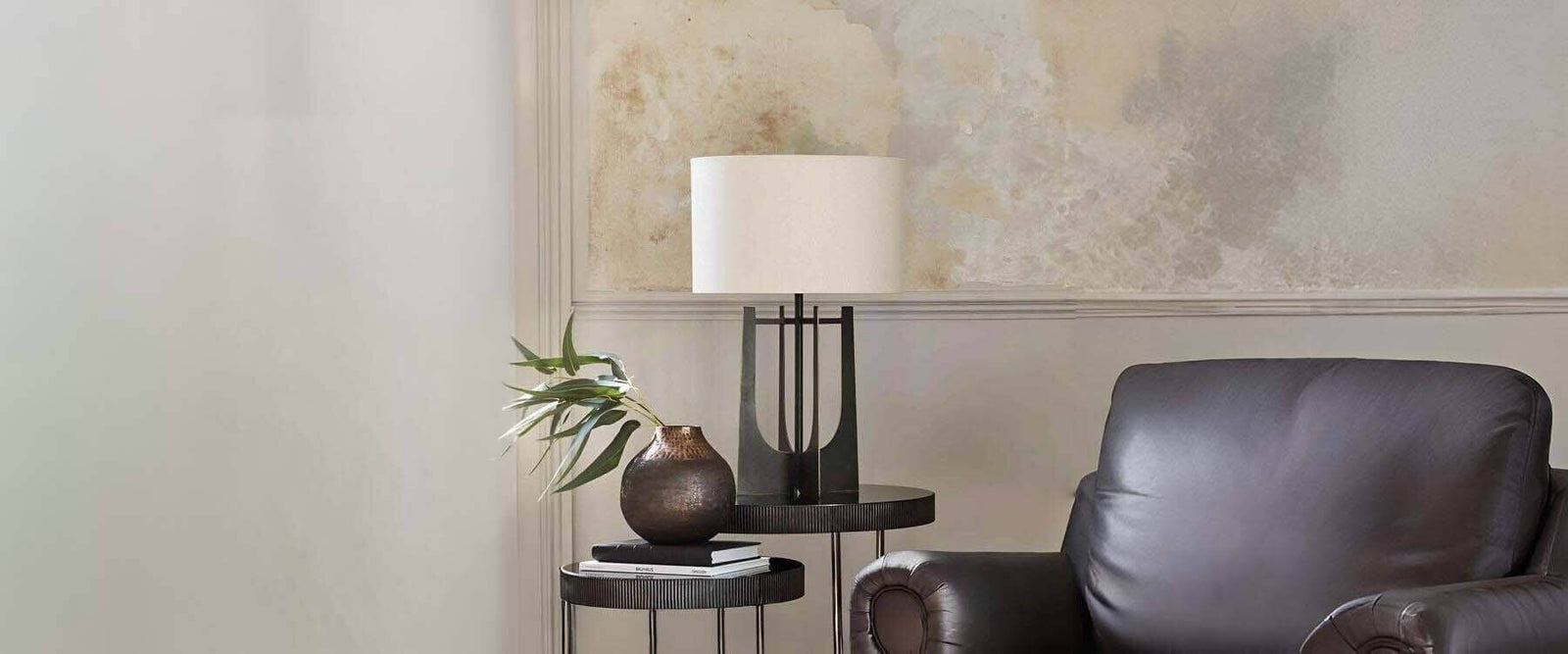
Traditional table lamps are classic, portable lamps with decorative bases and fabric shades designed to give warm, softened light. Their main job is to create comfortable ambient lighting and support light tasks (like reading or relaxing) without harsh shadows.
Table lamps usually suit rooms that lean timeless, heritage, or formal, but they can work in mixed styles too so long as proportions are right. You’ll often see:
Curved ceramic, metal, stone, or carved wood bases
Tapered, empire, or drum shades in linen, cotton, or silk blends
Warm white light that complements natural materials, artwork, and traditional furnishings
They are also “visual anchors”. A well-placed lamp doesn’t just light a space; it gives the eye a resting point and helps furniture groupings feel deliberate.

Why Do Traditional Table Lamps So Often Look Wrong In A Room?
Traditional table lamps look wrong when their scale, height, and light spread don’t match how the room is used. Because they’re both functional and decorative, mistakes show up twice: the lighting feels off and the styling looks unbalanced.
Typical warning signs include:
Glare when you sit down (you can see the bulb)
Dark corners even though the lamp is on
A lamp that looks “lost” on a large sideboard
A shade that throws light straight into your eyes instead of down and out
Surfaces that feel cramped because the lamp competes with clutter

What Are The Most Common Traditional Table Lamps Mistakes People Make?
The biggest mistakes come down to proportion, placement, and control of light. Fixing them usually requires small adjustments rather than a whole new lamp.
1. Are your traditional table lamps the wrong size for the furniture?
The most common mistake is choosing a lamp that’s too small for the table or console it sits on. A petite lamp on a wide sideboard looks underpowered and won’t throw light where you need it.
Use these quick checks:
Height: for most living spaces, a total height of 60-75 cm works well, depending on table height and seating
Shade width: aim for a shade that’s roughly two-thirds the width of the lamp base
Surface width: on a wide console, a larger lamp (or a pair) usually looks more settled than a single small one
Real-world example: a 40 cm lamp on a grand hallway console can look like an afterthought. A taller base and fuller shade often solves it immediately.
2. Is the lamp too tall or too short when you’re seated?
A lamp is at the wrong height if the bulb is visible from your usual seat. That creates glare and makes the light feel sharp rather than gentle.
A reliable guide:
When seated, the bottom edge of the shade should sit around eye level or slightly below
The bulb should be hidden by the shade from normal viewing angles
If your lamp sits on a high surface (like a tall sideboard), you may need a shorter base, a deeper shade, or both.
3. Are you using the wrong lampshade fabric or shape?
The shade is the lamp’s “lens”. If it’s the wrong material or shape, the light will be weak, patchy, or uncomfortable.
For traditional table lamps:
Linen and cotton give a warm, lived-in glow
Silk blends feel slightly dressier and diffuse beautifully
Tapered/empire shades often suit classic bases better than ultra-modern shapes
Avoid very dark, heavily lined shades unless the lamp is purely decorative, because they reduce useful light and can make the room feel gloomy.
4. Are you treating table lamps as the only light source?
Traditional table lamps work best as part of layered lighting, not as the entire plan. If they’re doing all the work, you’ll get uneven illumination: bright near the lamp and dim everywhere else.
A simple layering approach:
Ceiling or central light for general brightness
Traditional table lamps for softness and comfort around seating
A floor lamp or wall lights to lift darker corners and improve balance
If you’re aiming for a more contemporary contrast in another zone, a single modern table lamps choice can sit alongside traditional pieces without clashing keep the bulb warmth consistent.
5. Are your traditional table lamps placed in the wrong spot on the table?
Placement errors either waste the light or make the surface feel unstable. A lamp shoved too far back can’t support reading or conversation, while one near the edge feels precarious.
Try this:
Place the lamp so it relates to the seat it serves (sofa arm, reading chair, bedside)
Keep it far enough from the edge to feel safe and intentional
Ensure the shade doesn’t block walkways or bump into art frames and mirrors
Bedroom note: bedside lamps should sit close enough that you can reach the switch without leaning awkwardly.
6. Are you ignoring symmetry where it matters?
Traditional rooms often rely on balance. In certain locations, one lamp can make the layout feel unfinished.
Places where pairs usually work best:
Either end of a sideboard
Both sides of a bed
A long console in a hallway
A formal living room with matched seating
You don’t need perfect symmetry everywhere, but when a space is structured and traditional, a mismatched approach can look accidental.
7. Are you using the wrong bulb colour temperature?
Cool white bulbs fight the warmth and elegance of traditional finishes. They can make creams look grey, brass feel harsh, and fabrics appear flat.
For traditional table lamps, choose:
Warm white bulbs (around 2700K) for a cosy, flattering tone
A bulb with good colour rendering if you want artwork and textiles to look rich
If the lamp feels “clinical”, the bulb is almost always the culprit.
8. Do you lack dimming or brightness control?
Without dimming, lamps often end up either too bright at night or too weak in the early evening. Control is what makes lighting feel natural through the day.
Easy fixes include:
An inline dimmer on the cord (simple and effective)
Dimmable LED bulbs paired with a compatible dimmer
Smart bulbs if you want scheduled scenes (reading, relaxing, evening)
This is one of the quickest upgrades you can make to traditional table lamps without changing the look at all.
9. Is the surface around the lamp too cluttered?
Clutter steals the lamp’s visual impact and can block light. Traditional pieces look their best when they have breathing room.
Keep styling simple:
One small stack of books or one decorative object beside the base
Leave clear space so the lamp reads as a feature
If the lamp is ornate, reduce competing patterns nearby
A lamp base surrounded by scattered remotes, cables, and ornaments will always look messier than it needs to.
10. Are you treating traditional table lamps as décor only?
Traditional table lamps should be beautiful and useful. If they never get switched on, or they don’t light the area you actually use, they’re failing their purpose.
A practical test:
Turn the lamp on at your normal evening time
Sit where you usually sit
Ask: “Is this light helping, or just glowing?”
If it’s just glowing, you may need a brighter bulb, a different shade, or a better placement.

Why Does Incorrect Placement Of Traditional Table Lamps Cause So Many Issues?
Incorrect placement causes glare, wasted light, and awkward shadows because the light isn’t landing where you actually need it. With traditional table lamps, the shade is designed to soften and diffuse, so the position of the lamp matters as much as the style. If the lamp sits too high or too far from the seating area, the light can feel patchy and uncomfortable. When the setup is right, the glow spreads evenly and supports the room rather than fighting it.
A lamp placed behind your shoulder can throw a shadow over your book or work surface, which makes reading harder than it should be. If the lamp is too tall, you may see the bulb and end up with glare, especially when you’re seated. Positioning the lamp closer to the task area and keeping the shade at the right level helps the light fall down and out, not straight into your eyes. Done properly, the lighting feels gentle, practical, and easy to live with.

How Can You Fix Poor Use Of Traditional Table Lamps Step By Step?
You can fix most problems by checking purpose, height, shade, and bulb then adjusting placement and layering. This approach keeps the flow of the room intact while improving comfort fast.
Step-by-step: a practical reset for traditional table lamps
Define the job
Decide if the lamp is for reading, relaxing ambience, or a welcoming glow in a hallway.Check seated sightlines
Sit down and confirm you cannot see the bulb through the shade from your usual position.Adjust height if needed
If it’s too tall, try a deeper shade; if it’s too short, consider a taller base or raise it slightly with a stable plinth.Choose the right bulb
Fit a warm white (around 2700K) LED with suitable brightness for the task.Reposition for function
Move the lamp so the light falls where you need it near the sofa arm, beside a chair, or centred on a console.Add control
Use a dimmer or dimmable bulb so the lamp works from early evening to late night.Layer the space
If corners still feel dim, add a second lamp or another light source elsewhere in the room.
If you want a slightly bolder companion look in a different zone (say, a home office corner), a single industrial table lamps piece can add contrast while your traditional table lamps keep the rest of the room warm.

Where Should Traditional Table Lamps Be Placed For The Best Results?
Traditional table lamps should be placed where they support seating, guide movement, or visually anchor key furniture. That usually means beside sofas, on consoles, on bedside tables, or on sideboards where you want a calm glow.
Strong placement ideas:
Living room: one lamp near the main seating and another to balance the opposite side
Hallway: a pair on a console for a welcoming, even wash of light
Bedroom: lamps close enough to reach comfortably, sized to the scale of the headboard and bedside tables
Brand note: If you’re choosing a classic statement base, a design-led option from Diyas can work well just make sure the shade and height still suit your furniture, rather than buying purely for looks.

How Do Traditional Table Lamps Improve A Room When Used Correctly?
Traditional table lamps improve a room by softening shadows, creating visual balance, and making the space feel more inviting throughout the day. They help break up harsh overhead light and introduce gentle pools of illumination that make living spaces more comfortable to use. By lighting faces, fabrics, and surfaces evenly, they add depth and warmth that flat lighting often lacks. This is especially noticeable in the evening, when softer light makes rooms feel relaxed rather than stark.
When traditional table lamps are correctly sized and properly controlled, they also help a space feel more settled and thoughtfully arranged. The light falls where it’s needed, supporting seating areas and key surfaces without glare. Furniture groupings look more intentional because the lighting reinforces their placement. As a result, the overall atmosphere feels calm, balanced, and welcoming instead of harsh or uneven.

Conclusion
Traditional table lamps work beautifully when they’re treated as part of the room’s function as well as its style. The most common mistakes wrong scale, poor height, unsuitable shades, cool bulbs, lack of layering, messy surfaces, and awkward placement either create glare or leave key areas underlit. By checking sightlines when seated, choosing warm bulbs, using dimming, placing lamps with purpose, and keeping surfaces clear, you’ll get the best from them and make your home feel brighter, softer, and more balanced.