


 Save 30%£3799£5400Unit price Translation missing: en.products.product.price.unit_price_separatorUnavailable
Solace 42mm LED Round Downlight 4W 4000K - Black Surface Mounted
 Save 30%£3799£5400Unit price Translation missing: en.products.product.price.unit_price_separatorUnavailable
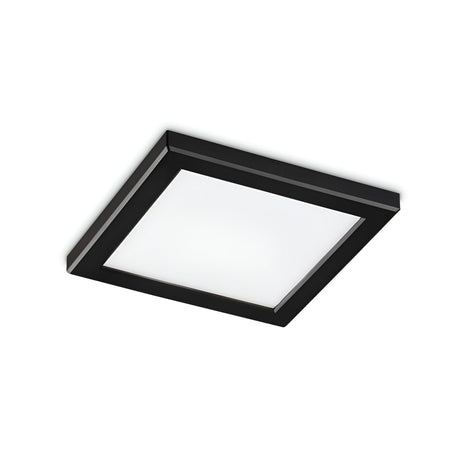 Save 29%£3399£4800Unit price Translation missing: en.products.product.price.unit_price_separatorUnavailable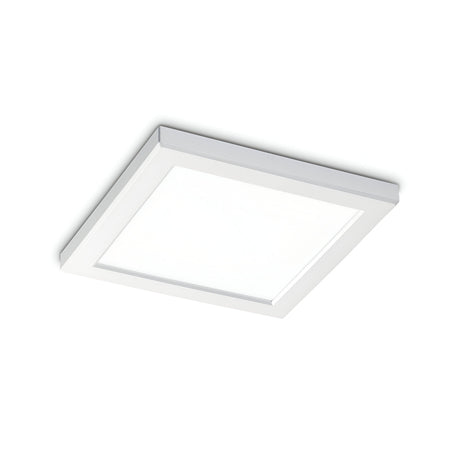
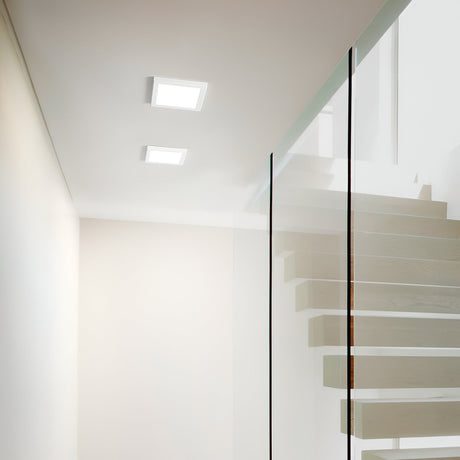 Save 29%£3399£4800Unit price Translation missing: en.products.product.price.unit_price_separatorUnavailable
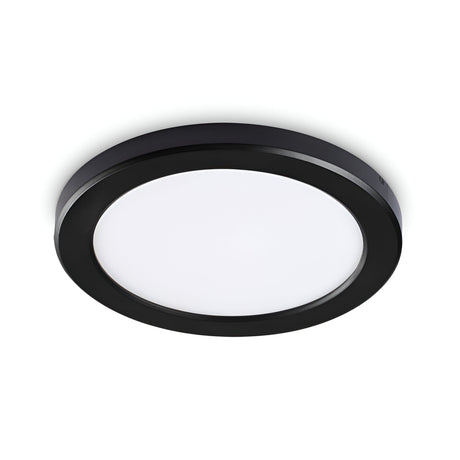 Save 29%£2999£4200Unit price Translation missing: en.products.product.price.unit_price_separatorUnavailable
 Save 29%£2999£4200Unit price Translation missing: en.products.product.price.unit_price_separatorUnavailable
 Save 30%£29399£42000Unit price Translation missing: en.products.product.price.unit_price_separatorUnavailable
 Free Delivery
 Save 30%£17699£25200Unit price Translation missing: en.products.product.price.unit_price_separatorUnavailable
Lustris 3 Light LED Cluster Pendant Light 16W 3000K - Silver
Free Delivery
 Save 29%£7199£10200Unit price Translation missing: en.products.product.price.unit_price_separatorUnavailable
Lustris 1 Light LED Glass Pendant - Chrome & Crystal Effect White
 Save 29%£10999£15600Unit price Translation missing: en.products.product.price.unit_price_separatorUnavailableFree Delivery
 Save 29%£6799£9600Unit price Translation missing: en.products.product.price.unit_price_separatorUnavailable
 Save 29%£3399£4800Unit price Translation missing: en.products.product.price.unit_price_separatorUnavailable
 Save 29%£3399£4800Unit price Translation missing: en.products.product.price.unit_price_separatorUnavailable
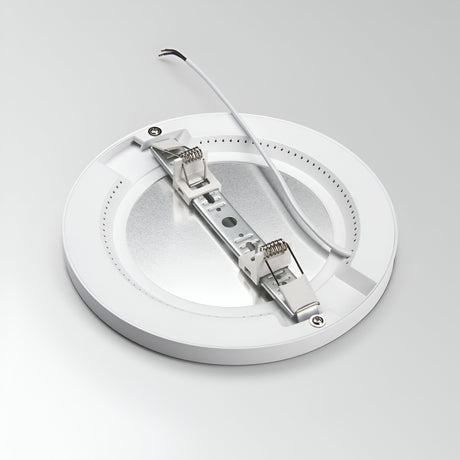 Save 29%£2999£4200Unit price Translation missing: en.products.product.price.unit_price_separatorUnavailable
 Save 29%£2999£4200Unit price Translation missing: en.products.product.price.unit_price_separatorUnavailable
 Save 30%£8099£11520Unit price Translation missing: en.products.product.price.unit_price_separatorUnavailable
 Save 30%£4799£6840Unit price Translation missing: en.products.product.price.unit_price_separatorUnavailable
 Save 30%£4799£6840Unit price Translation missing: en.products.product.price.unit_price_separatorUnavailable
 Save 29%£7199£10200Unit price Translation missing: en.products.product.price.unit_price_separatorUnavailable
 Save 29%£7199£10200Unit price Translation missing: en.products.product.price.unit_price_separatorUnavailable
 Save 29%£7199£10200Unit price Translation missing: en.products.product.price.unit_price_separatorUnavailable
 Save 29%£3399£4800Unit price Translation missing: en.products.product.price.unit_price_separatorUnavailable
 Save 29%£3399£4800Unit price Translation missing: en.products.product.price.unit_price_separatorUnavailable
 Save 28%£2599£3600Unit price Translation missing: en.products.product.price.unit_price_separatorUnavailable
 Save 28%£2599£3600Unit price Translation missing: en.products.product.price.unit_price_separatorUnavailable
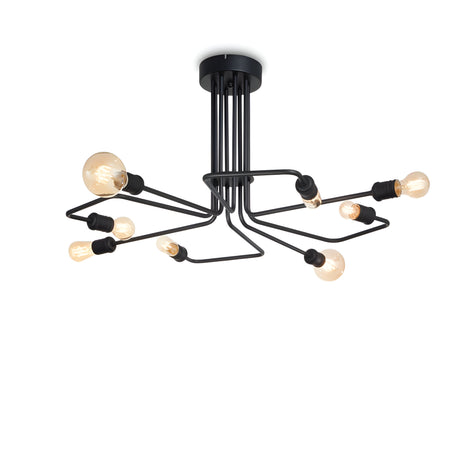 Save 30%£47899£68400Unit price Translation missing: en.products.product.price.unit_price_separatorUnavailableFree Delivery
 Save 30%£46199£66000Unit price Translation missing: en.products.product.price.unit_price_separatorUnavailableFree Delivery
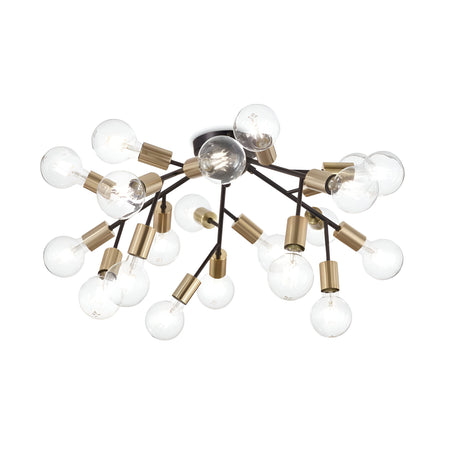 Save 30%£35699£51000Unit price Translation missing: en.products.product.price.unit_price_separatorUnavailableFree Delivery
 Save 30%£41999£60000Unit price Translation missing: en.products.product.price.unit_price_separatorUnavailableFree Delivery
 Save 30%£17999£25680Unit price Translation missing: en.products.product.price.unit_price_separatorUnavailableFree Delivery
 Save 30%£16699£23760Unit price Translation missing: en.products.product.price.unit_price_separatorUnavailableFree Delivery
 Save 30%£9299£13200Unit price Translation missing: en.products.product.price.unit_price_separatorUnavailable
 Save 30%£54599£78000Unit price Translation missing: en.products.product.price.unit_price_separatorUnavailableFree Delivery
 Save 30%£47899£68400Unit price Translation missing: en.products.product.price.unit_price_separatorUnavailable
Glister 6 Light Linear Chandelier - Brass with Crystal Prisms, 80cm
Free Delivery Save 30%£70599£1,00800Unit price Translation missing: en.products.product.price.unit_price_separatorUnavailable
Solum 12 Light Chandelier - Satin Brass, Crystal & Organza Shades
Free Delivery Save 30%£88199£1,26000Unit price Translation missing: en.products.product.price.unit_price_separatorUnavailableFree Delivery
 Save 30%£54599£78000Unit price Translation missing: en.products.product.price.unit_price_separatorUnavailableFree Delivery
 Save 30%£56299£80400Unit price Translation missing: en.products.product.price.unit_price_separatorUnavailableFree Delivery
 Save 30%£10099£14400Unit price Translation missing: en.products.product.price.unit_price_separatorUnavailableFree Delivery
 Save 30%£30299£43200Unit price Translation missing: en.products.product.price.unit_price_separatorUnavailableFree Delivery
 Save 30%£30299£43200Unit price Translation missing: en.products.product.price.unit_price_separatorUnavailableFree Delivery
 Save 30%£30299£43200Unit price Translation missing: en.products.product.price.unit_price_separatorUnavailableFree Delivery
 Save 30%£30299£43200Unit price Translation missing: en.products.product.price.unit_price_separatorUnavailableFree Delivery
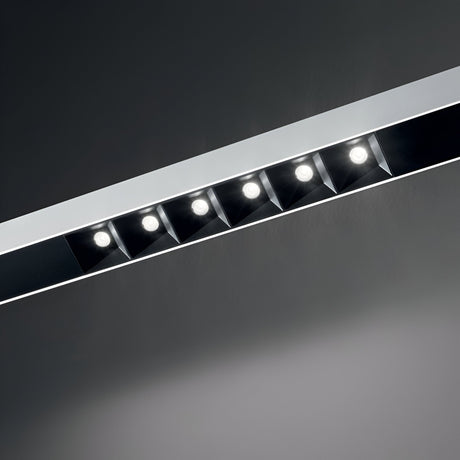 Save 30%£36199£51600Unit price Translation missing: en.products.product.price.unit_price_separatorUnavailableFree Delivery
 Save 30%£36199£51600Unit price Translation missing: en.products.product.price.unit_price_separatorUnavailableFree Delivery
 Save 30%£36199£51600Unit price Translation missing: en.products.product.price.unit_price_separatorUnavailableFree Delivery
 Save 30%£36199£51600Unit price Translation missing: en.products.product.price.unit_price_separatorUnavailableFree Delivery
 Save 30%£43699£62400Unit price Translation missing: en.products.product.price.unit_price_separatorUnavailableFree Delivery


The kitchen lights we hand-pick across our brands
We hand-pick every kitchen light we carry across a broad range of makers. Our own-brand Niori range sits alongside selected contemporary, traditional and industrial ranges. The catalogue weights toward the fixture types that do most of the work in a kitchen: pendant lights, chandeliers and ceiling lights, with downlights and linear lighting filling the task-lighting layer. Finishes cover white, silver, polished chrome, gold and black, so the range works across neutral, monochrome and metallic schemes side by side.
We hand-pick every piece we stock, including our own-brand range and the wider ranges we carry. That means each kitchen light has been chosen for build quality, finish accuracy and how it sits in real kitchens, not just listed by vendor feed. UK customers will see this range as "kitchen lights" or "kitchen lighting"; US customers will recognise the same products as "kitchen light fixtures" or "kitchen lighting fixtures." We ship to both markets and worldwide.
How do I light a kitchen properly?
A kitchen needs three layers of light, not one. Get the layering right and the room works at every time of day; get it wrong and you end up with shadowed worktops, glare on glossy cabinetry, or a single overhead pendant trying to do work it was never sized for.
The first layer is ambient. This is the general illumination that lets you walk into the room and see everything clearly. In most kitchens it comes from ceiling lights, downlights or recessed spotlights spaced 1.2 to 1.5 metres apart across the ceiling. The second layer is task. This is directed light over the surfaces where you actually prep, cook and read recipes: under-cabinet LED strips along worktop runs, pendants over an island, and focused spotlights over the hob. The third layer is accent.
Most of the kitchen lighting ideas we get asked about come down to balancing those three layers. A 15 to 25 square metre UK kitchen typically uses six to ten ceiling spotlights or downlights for ambient, two to three metres of under-cabinet strip for task, and one to three decorative pendants or a chandelier for accent. Dim each layer separately if the wiring allows it.
Kitchen island lighting and breakfast bar pendants
Kitchen island lighting is the single strongest long-tail demand across our kitchen range. The brief is consistent: a row of pendant lights, or a single oversized fixture, hung at the right height over the island so the surface is lit clearly for prep and the pendants read as a design feature when the kitchen is seen from the sofa or dining area.
For sizing, the rule we use is this: pendants hang 75 to 90cm above the worktop surface, measured from the bottom of the shade. On a 1.8 metre island, two pendants spaced at 60 to 75cm centres usually look balanced. On a 2.4 metre island, three pendants at the same spacing read better than two oversized ones. For islands above 2.7 metres, a linear pendant or a horizontal bar fitting often does the job of multiple smaller pendants in one cleaner line.
Breakfast bar lights follow the same principles at smaller scale. The typical brief is two or three pendants over a 1.2 to 1.8 metre run of bar seating, sized so the shade diameter sits in the 20 to 30cm range. Our pendant lights range carries the largest concentration of suitable fixtures: kitchen pendant lights.
Ceiling, flush-mount and downlight kitchen lights
Ceiling lights and flush mounts handle the ambient layer in most kitchens. UK shoppers tend to search for "kitchen ceiling lights," "kitchen spotlights" (a notably UK-niche term) and "kitchen LED ceiling lights." US shoppers search for the same products as "flush mount" or "flush mount light fixtures" and "recessed lighting," with recessed lighting demand much higher in the US than the UK.
For lower-ceiling kitchens (2.4 metres or under), a semi-flush or flush mount sits close to the ceiling line and gives broad illumination without dropping into headspace. For taller kitchens (2.7 metres and up), a deeper drop ceiling light or a semi-flush in a wider diameter reads better proportionally. Across both, integrated LED with warm white output (2,700K to 3,000K) is the standard we recommend for living-kitchen spaces, with cooler temperatures (3,500K to 4,000K) suiting working kitchens that need higher visual clarity. Browse the full sub-range at kitchen ceiling lights.
Pendant lights and chandeliers over the kitchen counter
Pendants and chandeliers are the decorative engine of the kitchen lighting range. Between them they make up the bulk of this catalogue. Pendants do the work over islands, breakfast bars and dining ends of open-plan kitchens. Chandeliers do the work where the kitchen opens into a dining area, or where a single focal fixture replaces a row of pendants entirely.
US shoppers searching "kitchen pendant lights" generate the largest single subsidiary demand cluster for this room, with UK demand sitting alongside at meaningful scale. For chandeliers, the brief shifts toward visual weight: a single chandelier sized to fill the visual space above a dining table within the kitchen, typically 60 to 90cm in diameter for a six-seat table and 90cm+ for an eight-seat. Hanging height for chandeliers over a table sits at 75 to 85cm above the table surface. See the full ranges at kitchen pendant lights and kitchen chandeliers.
How do you light kitchen prep zones with under-cabinet, track and recessed lighting?
Task lighting is the layer most kitchens under-spec. Under-cabinet lighting, kitchen track lighting and recessed lighting all sit in this category, with strong combined UK and US demand. UK shoppers ask for "kitchen under cabinet lighting" and "kitchen spotlights" at roughly equal scale; US shoppers add "kitchen track lighting" and "kitchen recessed lighting" at much higher volume than the UK.
Under-cabinet LED strips run along the underside of wall cabinets, sized to cover the full worktop run beneath. We recommend a warm-to-neutral white (3,000K to 3,500K) and a CRI rating of 90+ so that food preparation colours read accurately. Track lighting offers a flexible alternative where the ceiling can't easily accept recessed fittings, with adjustable heads that can be aimed at the worktop, the hob or a wall-mounted shelving feature. Recessed downlights deliver clean ambient coverage with minimal visual interruption to the ceiling line, and pair well with under-cabinet strip as the task layer.
Modern kitchen lighting from our modern pieces
Modern is the dominant style register in this range, ahead of traditional and industrial across the kitchen lighting category. US demand for "modern kitchen lighting" runs well ahead of the UK, and contemporary kitchen lights add another layer of style-led search behind it.
Modern kitchen lighting in our hand-picked range tends to share four characteristics: clean architectural lines, restrained metalwork in polished chrome, brushed brass or matt black, integrated LED rather than visible bulbs, and a finish palette that pairs with white, grey or muted-neutral cabinetry. Designer kitchen lighting from within this modern subset is where our Niori own-brand range concentrates: linear pendants in brushed metal, cylinder pendants in alabaster or opal glass, and minimal ceiling-mounted fixtures sized for kitchen-island work.
What do US shoppers call kitchen lights? Light fixtures and fixture terminology
UK and US English use different default words for the same products.
The bridge matters because US-style open-plan kitchens are typically larger than UK kitchens and lean harder on layered fixture combinations: a row of recessed downlights for ambient, a long run of island pendants for task and accent over the worktop, plus a chandelier or oversized pendant where the kitchen opens into a dining or family area. Our range serves both markets from the same catalogue, with shipping to the UK, US, Australia and worldwide. Pricing translates into the designer kitchen lighting bracket in the UK and the luxury kitchen lighting tier in the US.
Browse related kitchen lighting ranges
To browse our kitchen range by fixture type, follow the dedicated sub-ranges: kitchen ceiling lights (including flush mounts and downlights), kitchen pendant lights (including hanging lights and island pendants) and kitchen chandeliers for dining-end and open-plan focal fixtures. Each sub-range carries the same multi-vendor depth as the main kitchen lights range, with our own-brand pieces designed in our workshop surfacing alongside the wider ranges we hand-pick.
Frequently Asked Questions
How many kitchen lights do I need for the size of my kitchen?
How many kitchen lights do I need for the size of my kitchen?
What's the best kitchen lighting layout for an island and breakfast bar?
What's the best kitchen lighting layout for an island and breakfast bar?
Should I mix pendant lights and downlights in the same kitchen?
Should I mix pendant lights and downlights in the same kitchen?
What's the difference between under-cabinet lights and kitchen ceiling spotlights?
What's the difference between under-cabinet lights and kitchen ceiling spotlights?
Which of your kitchen lights are Niori-designed in-house?
Which of your kitchen lights are Niori-designed in-house?
What's a sensible budget for lighting a whole kitchen?
What's a sensible budget for lighting a whole kitchen?
Related Collections


BestSellers
-

 £49499Unit price Translation missing: en.products.product.price.unit_price_separatorUnavailable
Caelith 1 Light Medium Carved Alabaster Wall Light - Brushed Brass
Limited StockFree Delivery In our showroom
 -

 £63999Unit price Translation missing: en.products.product.price.unit_price_separatorUnavailableFree Delivery
 -

 £11,87999Unit price Translation missing: en.products.product.price.unit_price_separatorUnavailableFree Delivery
 -

 £1,42999Unit price Translation missing: en.products.product.price.unit_price_separatorUnavailable
Seraphis LED Medium Alabaster Ring Chandelier - Brushed Brass
Free Delivery -

 Save 8%£49999£54299Unit price Translation missing: en.products.product.price.unit_price_separatorUnavailable
Helia 100cm LED Circular Pendant Light 55W 3000K - Matte Black
13 In StockFree Delivery -

 £50599Unit price Translation missing: en.products.product.price.unit_price_separatorUnavailableFree Delivery
 -

 £1,31999Unit price Translation missing: en.products.product.price.unit_price_separatorUnavailableFree Delivery
 -

 Save 25%£65199£87000Unit price Translation missing: en.products.product.price.unit_price_separatorUnavailableFree Delivery
 -

 £1,64999Unit price Translation missing: en.products.product.price.unit_price_separatorUnavailableFree Delivery
 -

 £2,96999Unit price Translation missing: en.products.product.price.unit_price_separatorUnavailableFree Delivery
 -

 £2,30999Unit price Translation missing: en.products.product.price.unit_price_separatorUnavailable
Stratalux LED Stacked Alabaster Column Floor Lamp - Matt Black
Free Delivery -

 £1,97999Unit price Translation missing: en.products.product.price.unit_price_separatorUnavailable
Caelith 10 Light Large Panel Alabaster Chandelier - Brushed Brass
Free Delivery


Recommended For You
Our Reviews
-

Birmingham Based
British heritage. Worldwide delivery.
