QTX 100cm Polyethylene Disco Ball - 7mm Mirror Tiles


Why Niori
Over 20 years lighting homes worldwide
We are a specialist lighting and mirror retailer with showrooms in Birmingham, Hong Kong and Dubai, shipping to customers around the world. Our own design team is here to help, from first idea to final fitting.

Genuine products
An authorised stockist
Every product arrives brand new with the full manufacturer warranty. Found it cheaper elsewhere? Ask us about a price match.

Ordering with us
Free delivery over £99
Free delivery on orders over £99, in the UK and worldwide. Easy returns within 14 days, subject to our returns policy. Full manufacturer warranty included.

Design help
Not sure what you need?
Our design team can help you plan your lighting, share photos and videos of stock, and send samples worldwide. Book a showroom visit in Birmingham, Hong Kong or Dubai, or ask about our lighting design service.
You Might Also Like
-

 £45999Unit price Translation missing: en.products.product.price.unit_price_separatorUnavailable
 Free Delivery
 -

 £1,29999Unit price Translation missing: en.products.product.price.unit_price_separatorUnavailable
Seraphis LED Medium Alabaster Ring Chandelier - Brushed Brass
Free Delivery -

 £10,79999Unit price Translation missing: en.products.product.price.unit_price_separatorUnavailableFree Delivery
 -

 £1,49999Unit price Translation missing: en.products.product.price.unit_price_separatorUnavailableFree Delivery
 -

 £2699Unit price Translation missing: en.products.product.price.unit_price_separatorUnavailable
Panasonic Eneloop AA HR6 Rechargeable Batteries 2000mAh - 8 Pack
-

 £77999Unit price Translation missing: en.products.product.price.unit_price_separatorUnavailable
Montyra LED Large Panelled Alabaster Chandelier - Brushed Brass
Free Delivery -

 £1,19999Unit price Translation missing: en.products.product.price.unit_price_separatorUnavailableFree Delivery
 -

 £97999Unit price Translation missing: en.products.product.price.unit_price_separatorUnavailableIn StockFree Delivery
 In our showroom
 -

 £2,69999Unit price Translation missing: en.products.product.price.unit_price_separatorUnavailableFree Delivery
 -

 Save 10%£2,25099£2,50000Unit price Translation missing: en.products.product.price.unit_price_separatorUnavailableFree Delivery
 -

 Save 45%£59399£1,08000Unit price Translation missing: en.products.product.price.unit_price_separatorUnavailableFree Delivery
 -

 £2,09999Unit price Translation missing: en.products.product.price.unit_price_separatorUnavailable
Stratalux LED Stacked Alabaster Column Floor Lamp - Matt Black
Free Delivery


Recommended For You
Our Reviews
Featured Projects
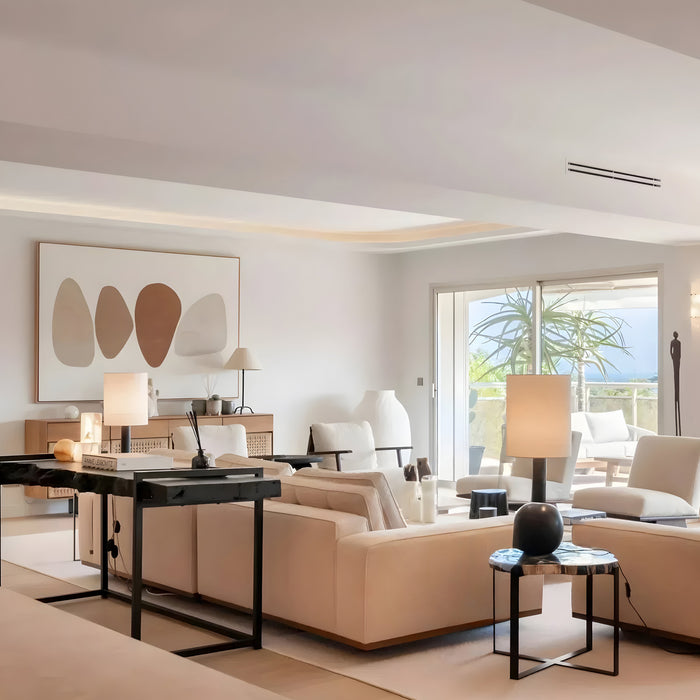
Step into our portfolio and see how we transform homes, restaurants, and commercial spaces and more, worldwide. Click here for a closer look at our latest projects.