
Table of Contents
- Introduction
- What Are Outdoor Floor Lamps, And What Makes Them Different?
- What Should You Do Before Buying Outdoor Floor Lamps?
- What Are The Biggest Don’ts With Outdoor Floor Lamps?
- How Do You Choose The Right Size Of Outdoor Floor Lamps?
- How Should You Pair Outdoor Floor Lamps With Other Fixtures?
- What Style Clashes Should You Avoid With Outdoor Floor Lamps?
- Where Should Outdoor Floor Lamps Be Placed For The Best Effect?
- How Can You Make Outdoor Floor Lamps Look More Intentional?
- Quick Summary
- Conclusion
- FAQs
Introduction
Outdoor floor lamps can turn a patio, terrace, or balcony into a space you actually want to use after sunset. As a Niori lighting specialist, I see homeowners fall into the same traps: buying a lamp that’s too small, placing it where it gets knocked over, or mixing styles so the whole scheme feels a bit “thrown together”. Done properly, outdoor floor lamps bring comfort, improve visibility, and make an outdoor area feel like a true extension of the home.
This guide sticks to one clear angle: the do’s and don’ts when selecting outdoor floor lamps. You’ll get practical rules, real examples, and a step-by-step method so your lighting looks intentional and works beautifully night after night.
What Are Outdoor Floor Lamps, And What Makes Them Different?
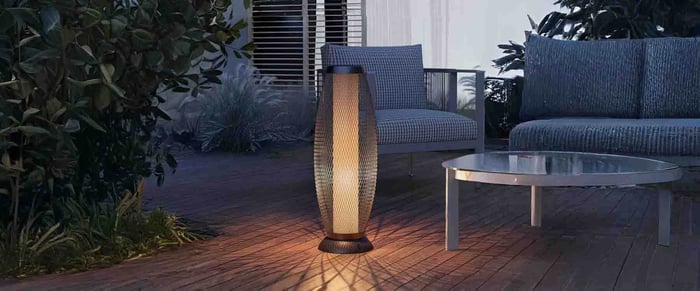
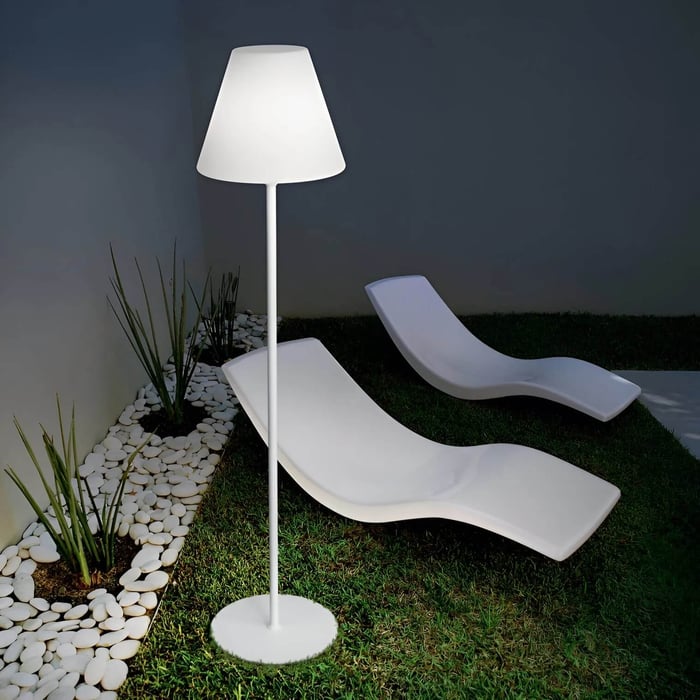
Outdoor floor lamps are freestanding lamps designed to provide ambient or task lighting in open-air areas while coping with weather and temperature changes. Unlike indoor lamps, they’re built with materials and finishes that resist moisture, corrosion, and UV fading, and they’re designed with safety in mind for outdoor power sources and conditions.
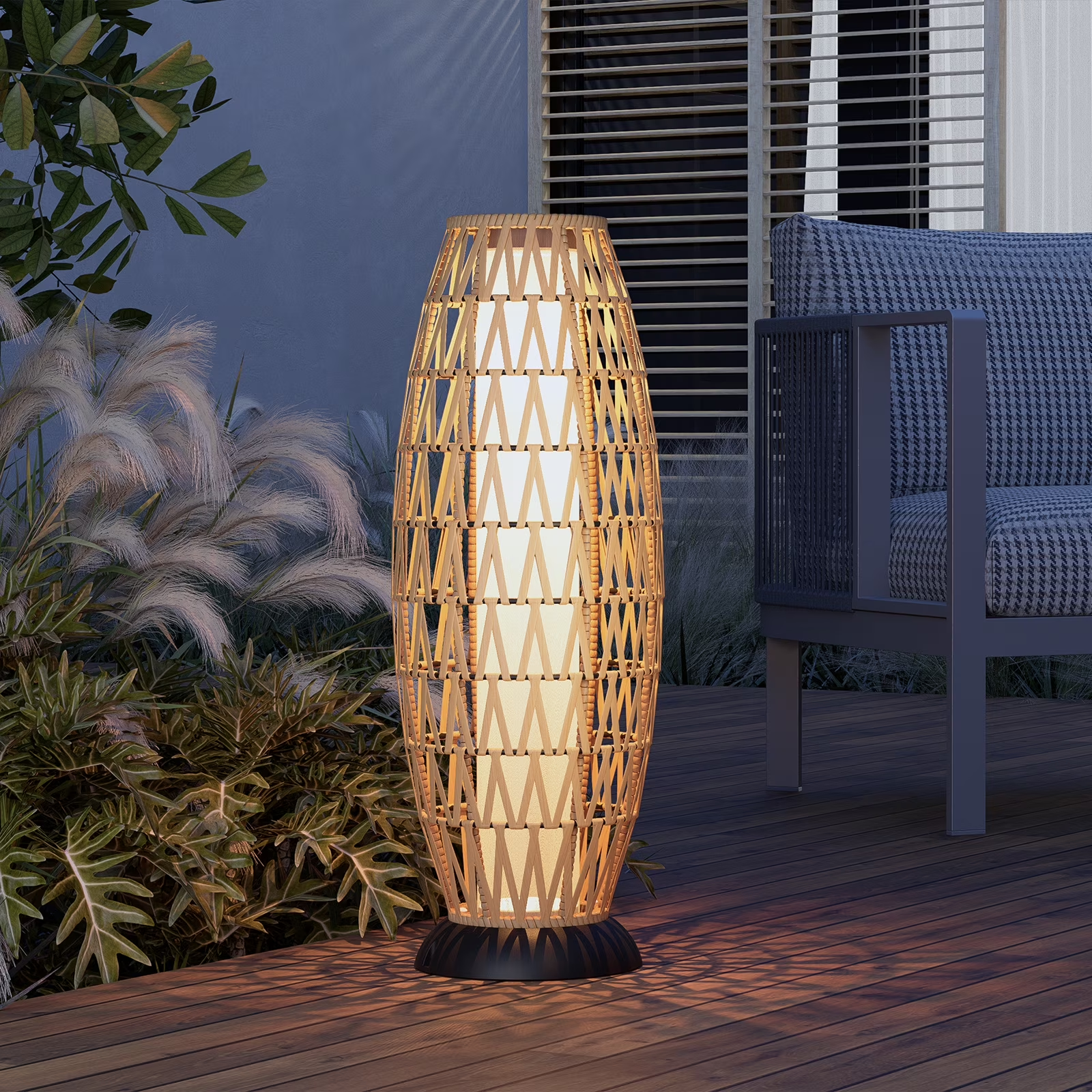
In a complete outdoor scheme, outdoor floor lamps typically handle the “human” layer of light soft pools of glow near seating, gentle illumination near dining, and a relaxed atmosphere that overhead fittings can’t always create. They’re also flexible: you can move them to suit the season or the occasion, which is ideal if you entertain or reconfigure furniture often.
What Should You Do Before Buying Outdoor Floor Lamps?
You should start by deciding what you want the light to do in that specific spot. A lamp chosen for ambience will look and perform differently to one chosen for reading, serving food, or guiding people across a terrace.
Do define the purpose first
Ask yourself:
Are you lighting a lounge area, dining zone, or a quiet corner?
Do you need soft ambience, practical task light, or both?
Will the lamp be used daily or mainly for entertaining?
A simple example: if you often read outdoors, you’ll want a shade and diffuser that reduce glare and direct light downwards. If it’s mostly for hosting, a softer glow that flatters faces and keeps the mood relaxed usually works best.
Do choose outdoor-rated construction
Outdoor floor lamps should be properly rated for outdoor use, with weather-resistant housings and suitable protection against moisture and dust. Indoor-only lamps simply aren’t built for damp air, rain, or temperature swings so they age quickly and can become unsafe.
Do think about your wider lighting plan
Outdoor floor lamps look best when they’re part of a layered approach, not the only source of light. If you already have wall lights, spike lights, or a nearby lamp posts, your floor lamp should complement them rather than compete.
What Are The Biggest Don’ts With Outdoor Floor Lamps?
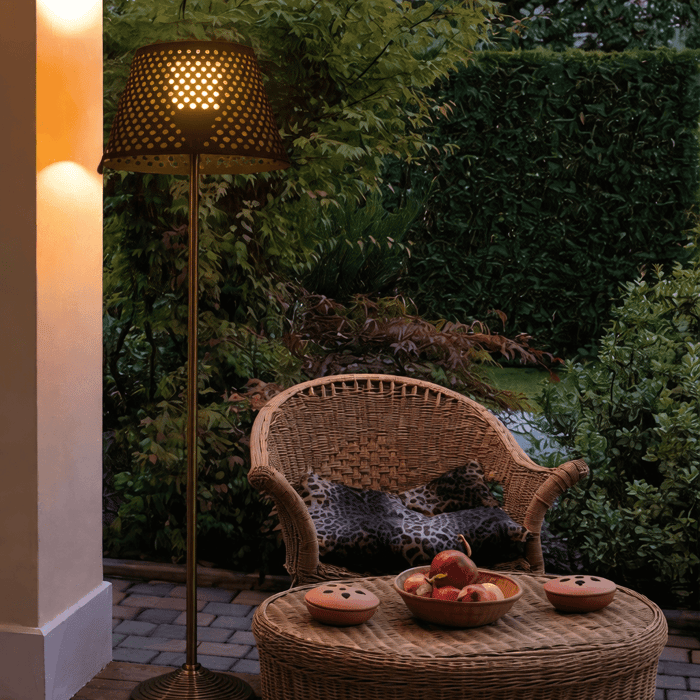
You should avoid treating outdoor floor lamps as purely decorative items without considering safety, stability, and scale. Most “lighting regrets” come from practical details being overlooked at the buying stage.
Don’t buy the wrong size
One of the most common mistakes is choosing a lamp that’s too small for the space. Outdoors, you usually need more visual presence than you would indoors because open-air areas swallow detail.
If the lamp is undersized:
the light pool can feel weak and patchy
the lamp looks lost next to outdoor sofas or planters
you end up adding extra fixtures that clutter the look
Don’t ignore wind and wobble
Outdoor floor lamps must be stable. Lightweight bases and tall, narrow stems are more likely to tip, especially on balconies, roof terraces, or exposed gardens. If your space is breezy, prioritise designs with a weighted base and a shade shape that doesn’t “catch” gusts.
Don’t over-light the area
Too many bright points ruin the calm, cosy feel people want outdoors. If you add multiple lamps and they all feel “front and centre”, the space can end up looking like a shopfront rather than a retreat. It’s better to use fewer fixtures and get the placement right.
How Do You Choose The Right Size Of Outdoor Floor Lamps?
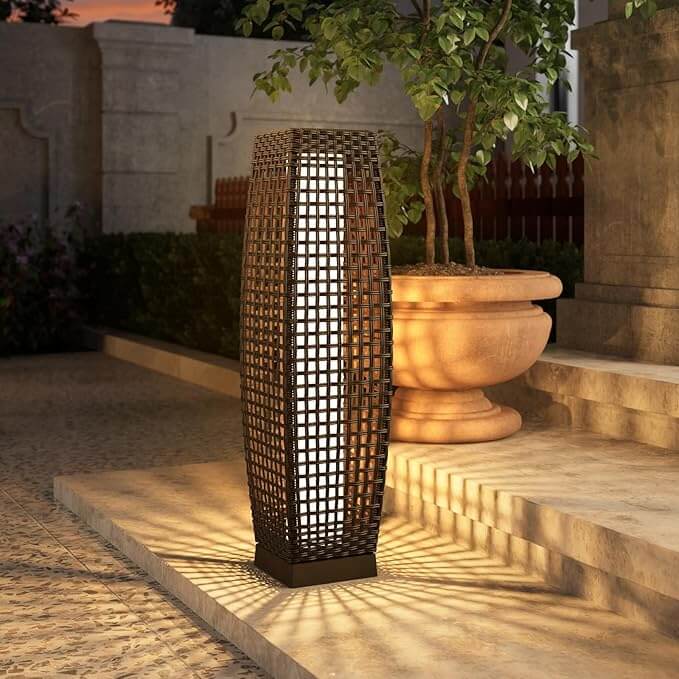
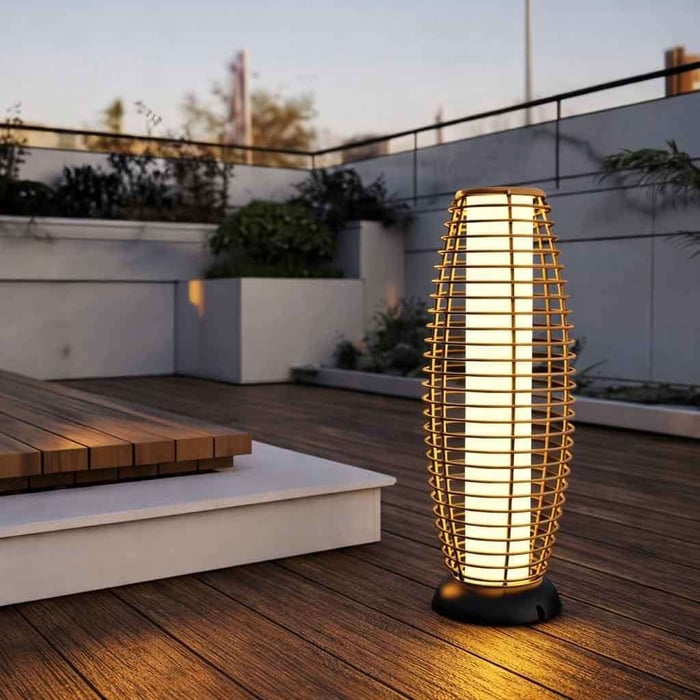
You choose the right size by matching the lamp’s height and visual weight to your furniture and how people sit and move through the area. Size affects both comfort and style, so it’s worth getting this right.
Step-by-step: choosing the right size
Measure your seating height
Note the seat height and approximate eye level when seated. A comfortable lamp usually positions the brightest part of the shade above seated eye line to reduce glare.Check the shade diameter and light spread
Wider shades create a broader, softer wash; narrow shades can produce a tighter pool that may not suit social seating.Look at the base footprint
Ensure the base won’t block walkways or trip people. Leave clear paths around dining chairs and access routes.Compare to nearby furniture
A tall lamp beside a deep outdoor sofa can look elegant and intentional. A very slim lamp beside a chunky modular set can look flimsy.When in doubt, size up slightly
Outdoors, slightly larger often reads more premium and balanced.
Real-world example: on a generous terrace with a corner sofa, a taller lamp with a substantial shade gives a grounded, “room-like” feel. On a narrow balcony, a slimmer profile can work provided it still has a sturdy base and doesn’t crowd the walkway.
How Should You Pair Outdoor Floor Lamps With Other Fixtures?
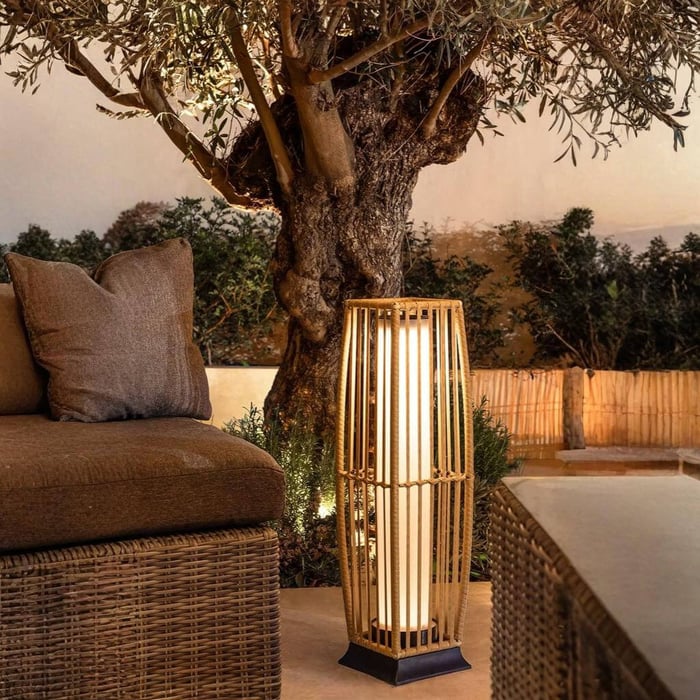
You should pair outdoor floor lamps with other fixtures by keeping the overall look cohesive and the lighting levels comfortable. Think of floor lamps as the softer layer that makes people linger, rather than the brightest tool for visibility.
Do keep light tones consistent
Warm light generally suits outdoor living areas because it feels relaxed and flattering. If your wall lights are warm, keep your floor lamp warm too so the scene feels unified.
Do balance brightness across the space
Aim for contrast without harshness:
floor lamps for soft pools near seating
wall lights to define the perimeter or doorway
low-level lighting for safer movement
If you also use outdoor lamps, treat them as accents: smaller points of glow that add depth. A floor lamp and a table lamp together can be beautiful one creates the main ambience, and the other adds a gentle highlight on a side table.
Don’t mix competing statement pieces
If your floor lamp has a bold silhouette, keep other fixtures quieter. If your wall lights are the statement, choose a calmer lamp shape so the space doesn’t feel visually noisy.
What Style Clashes Should You Avoid With Outdoor Floor Lamps?
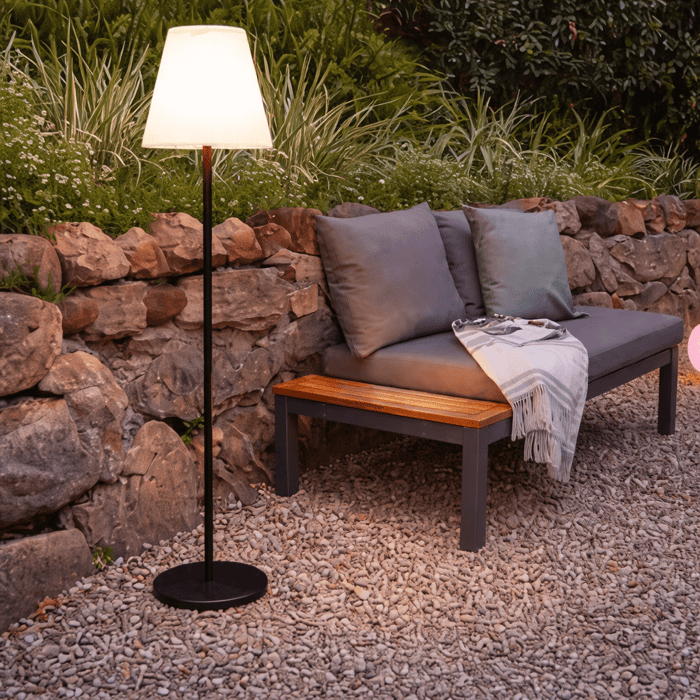
You should avoid pairing outdoor floor lamps with materials, shapes, or finishes that fight the character of your home and garden. Outdoor lighting works best when it feels like it belongs there even if it’s contemporary.
Common clashes to watch for
overly ornate shapes in a clean, modern setting
ultra-minimal lamps beside rustic timber and soft, textured seating
shiny finishes that feel too “indoor” next to natural stone and greenery
A useful rule: pick one dominant style language (modern, coastal, rustic, classic), then echo it through one or two cues material, shape, or colour so the lamp feels part of the scheme.
If you like a cohesive look across your home, it helps to stick with a clear design direction. Many homeowners take cues from their indoor styling and extend it outdoors, which creates a natural flow through the property.
Where Should Outdoor Floor Lamps Be Placed For The Best Effect?
Outdoor floor lamps should be placed where people naturally sit, pause, or gather, rather than pushed into a random corner. Placement is what makes the light feel intentional.
Do use floor lamps to define zones
Good placements include:
beside an outdoor sofa to “frame” the seating
near a reading chair in a sheltered corner
at the edge of a dining area to soften the scene
beside a doorway or covered terrace area to create a welcoming glow
Do protect them from the harshest exposure
Even outdoor-rated designs last longer when they’re positioned thoughtfully. If possible, place them under a pergola, canopy, or near a wall that reduces direct wind and rain exposure.
Don’t block movement
Avoid placing a base where people push chairs back or where feet naturally land when stepping out of a door. If you’re unsure, set the lamp in place and walk the routes you’d take at night with a drink in hand that’s usually when the “obvious” trip hazards reveal themselves.
How Can You Make Outdoor Floor Lamps Look More Intentional?
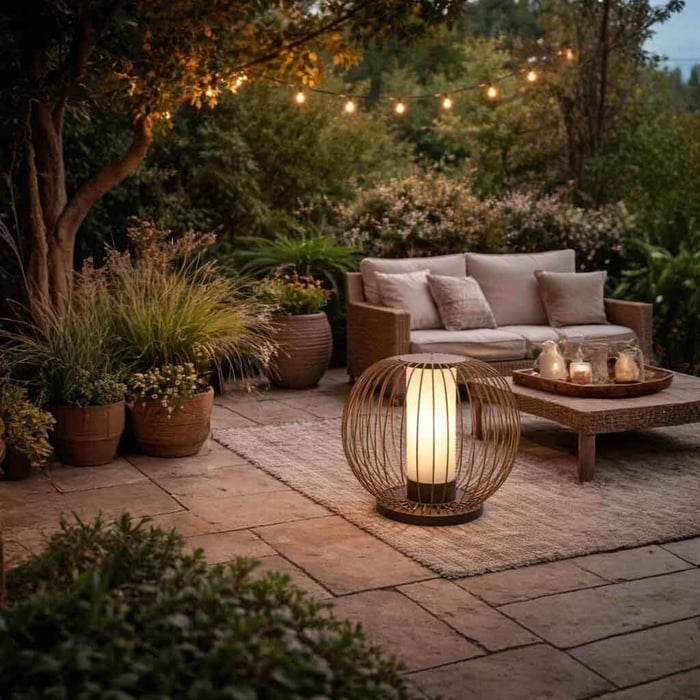
You can make outdoor floor lamps look intentional by styling them like part of an outdoor “room”. That means repeating materials, aligning heights, and using the lamp to support the layout rather than interrupt it.
Do anchor the lamp with nearby elements
A floor lamp looks more purposeful when it relates to something:
a side table, planter, or outdoor rug
a sofa corner or the end of a bench
a line created by the edge of decking or paving
Do use repetition sparingly
Two matching outdoor floor lamps can look striking on a wide terrace, especially if they frame a seating group. In smaller spaces, one well-chosen lamp is usually enough, with smaller accents elsewhere.
Don’t let cables spoil the look
If your lamp is wired, route cables neatly and safely along edges rather than across open paths. Outdoors should feel effortless, and visible cables quickly undermine that.
Quick Summary
Outdoor floor lamps work best when you choose them for a specific purpose, size them correctly for the space, and place them where people actually spend time. Prioritise outdoor-rated construction, stable bases, and a warm, comfortable level of light. Avoid common pitfalls like undersized designs, poor placement in walkways, and style clashes with existing furniture and fixtures. When you pair a floor lamp with layered lighting and keep the overall look cohesive, your outdoor space becomes more inviting, practical, and enjoyable after dark.
Conclusion
Outdoor floor lamps are a simple way to make an outdoor space feel warm, usable, and thoughtfully designed, but only if you follow a few key do’s and don’ts. Decide the job the lamp needs to do, choose an outdoor-rated design with the right stability, and pick a size that suits your seating and layout. Keep the style consistent with your home and other fixtures, layer the light for comfort, and place the lamp where it supports how people move and relax outdoors.
FAQs
Are outdoor floor lamps safe to leave outside all year?
Yes, as long as they are specifically rated for outdoor use and have the correct IP rating. Always follow manufacturer guidance for extreme weather conditions.
Can outdoor floor lamps be used on balconies?
They can, provided the lamp is stable, appropriately sized, and suitable for wind exposure. Weighted bases are especially important on balconies.
How bright should outdoor floor lamps be?
They should provide soft ambient light rather than harsh brightness. Most outdoor floor lamps work best with warm, diffused lighting.
Do outdoor floor lamps need to be wired?
Not always many designs are solar-powered or rechargeable. Wired options offer consistent output but require professional installation.
Can I mix different outdoor lamp styles?
Yes, but they should share common elements such as colour temperature or material to maintain visual harmony.
Are outdoor floor lamps energy efficient?
Most modern designs use LED technology, which is highly energy efficient and long-lasting.
How tall should an outdoor floor lamp be?
Typically between 140-180 cm, depending on seating height and space size. Taller lamps suit larger areas.
Should outdoor floor lamps match furniture exactly?
No, they should complement rather than match exactly. Subtle contrast often looks more considered.
Can outdoor floor lamps replace other garden lighting?
They work best as part of a layered scheme and shouldn’t replace safety or pathway lighting entirely.
What’s the biggest mistake people make with outdoor floor lamps?
Choosing a lamp that’s too small or not weather-rated. Both issues significantly reduce effectiveness and lifespan.