
Table of Contents
- Introduction
- How Wall Lights Add Soft, Layered Light
- Essential Guidelines for Placing Wall Lights
- How to Place Wall Lights So They Look Balanced
- Wall Lights for a Small Hallway
- Which Wall Lights Are Best for Bedrooms?
- Wall Light Features That Reduce Harsh Light
- Smart, Affordable Wall Light Upgrades
- How Wall Lights Fit Into a Lighting Plan
- Selecting Wall Lights by Size, Finish, and Function
- Problems That Throw Off Wall Lights (and How to Fix Them)
- A Simple Guide to Placing Wall Lights
- Conclusion
- FAQs
Introduction
Wall lights can change the mood of a home faster than almost anything else. Done well, they soften sharp corners, stretch small spaces, and give you a steady glow you’ll actually want to live with. Done poorly, they glare, create odd shadows, or feel randomly stuck on a wall. The good news is that most wall light problems come down to two things: height and spacing. Get those right, and even simple fixtures look polished.
This guide shows you where to place wall lights so they look balanced and feel comfortable every day. You’ll find practical placement rules that work in most rooms, plus specific tips for small hallways, bedrooms, glare control, and affordable upgrades. The aim is a home that feels evenly lit and calm, without relying on overhead lights for everything.
How Wall Lights Add Soft, Layered Light
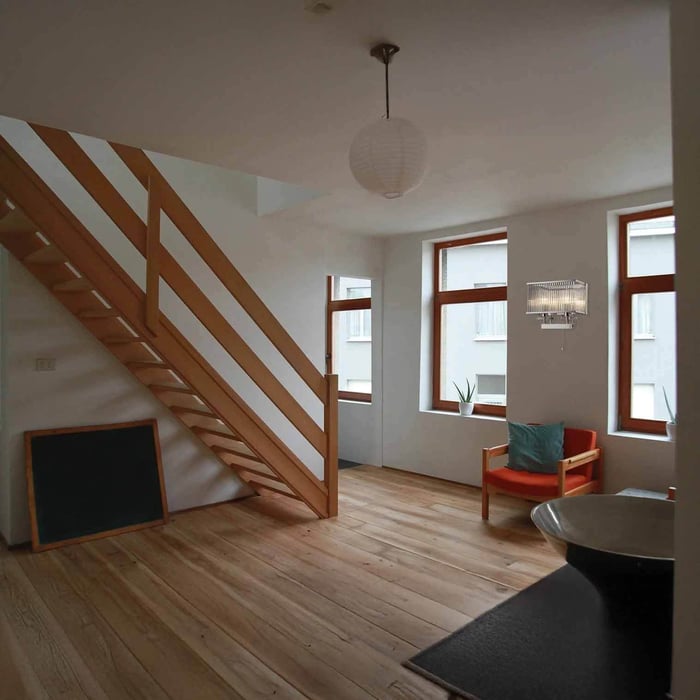
Most rooms feel better with layered lighting rather than one bright source. Wall lights add that layer by spreading illumination across vertical surfaces, which is gentler on the eyes and makes spaces feel finished. When light hits walls, it bounces softly back into the room, so brightness feels more even. This is especially helpful in homes with tight layouts or low ceilings where overhead lighting can be harsh.
Wall lights are also practical. They clear surface space, which matters in small bedrooms or narrow halls. They can guide movement through a home at night without turning on full ceiling lights. And because they sit at the human level, they make a room feel welcoming rather than top-lit and flat.
They help because they:
reduce harsh shadows by washing light over the wall
make tight areas feel wider and less tunnel-like
add useful light near beds, mirrors, artwork, or seating
free up floor and table space
let you skip the overhead light in the evening without losing visibility
If you want a space that feels relaxed after sunset, wall lights are one of the simplest ways to get there.
Essential Guidelines for Placing Wall Lights
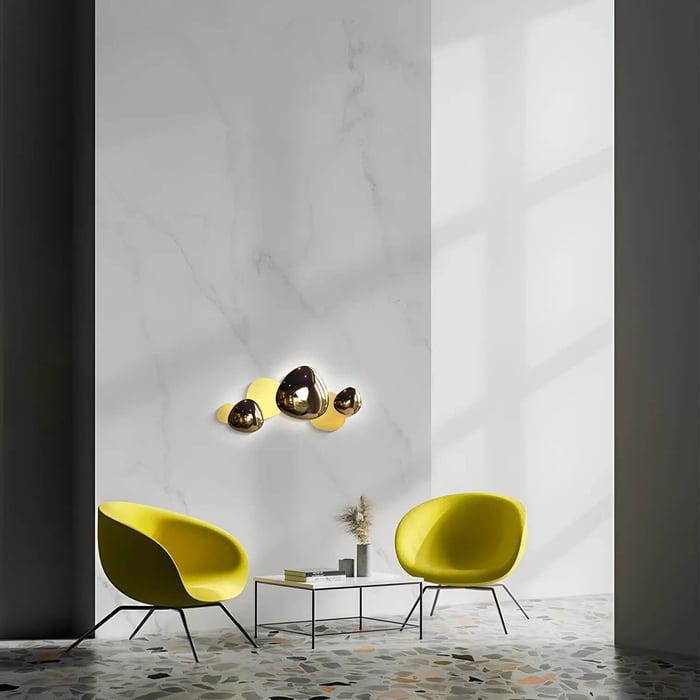
These basics apply almost everywhere, and they prevent the most common mistakes with wall lights. If you follow these rules, your layout will already look considered before you even pick a fixture style.
1. Keep fixtures near eye level
A reliable starting point is:
60-66 inches (152-168 cm) from the floor to the center of the fixture
That range keeps the light comfortable to look at and spreads it evenly across the room. If your ceilings are low, aim closer to 60 inches. If they’re high, you can edge up toward 66. In rooms where people are usually seated like a bedroom or living area staying closer to the lower end keeps the glow in your natural sight line. In spaces where people are standing or walking through, the middle of the range typically feels right.
2. Let spacing do the work
Even if your style is relaxed, your eyes notice imbalance quickly. Spacing makes a room feel ordered even when the décor is casual. To keep things calm:
measure from a focal point (bed, mirror, hallway midpoint, artwork)
place wall lights at equal distances when you can
if symmetry isn’t possible, match heights and visual weight
A good mental check is to imagine the lights as brackets around a feature. If they feel like they “frame” something, the spacing is probably right.
3. Use the wall to soften light
The most comfortable fixtures don’t beam straight into your face. Wall lights should help the wall do some of the lighting work. Look for sconces that:
throw light up and down
cast light sideways
filter bulbs through a shade
bounce light toward the wall
This turns the wall into a soft reflector and keeps glare down. It also creates a more flattering kind of light because shadows are less sharp. If a fixture is meant to be decorative, it should still send light in a way that supports everyday use.
How to Place Wall Lights So They Look Balanced
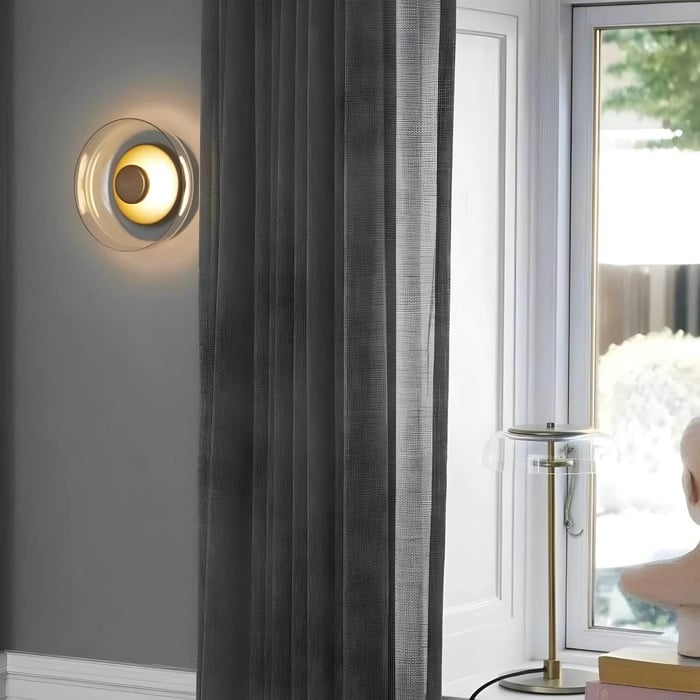
If you’re unsure where to begin, use this simple layout routine. It works whether you’re lighting a hallway, framing a bed, or adding glow around a mirror.
Choose the focal point.
Examples: a bed, console table, hallway center, mirror, or a piece of art. Your lights will relate to this feature, so pick it first.Mark a center line.
Use painter’s tape or a pencil to mark the midpoint of that focal area. This gives you a stable reference so both sides feel intentional.Measure outward evenly.
Typical spacing guides:6-8 ft (1.8-2.4 m) between fixtures in open rooms
3-5 ft (0.9-1.5 m) in narrow spaces
- In practical terms, the tighter the space, the closer the lights can be because you’re trying to avoid dark gaps.
Mock it up before drilling.
Tape a paper outline of the fixture to the wall and step back. Stand where you normally sit or walk. If the mock-up feels too dominant, nudge it outward or slightly higher within your range. A shift of even two inches can make the setup feel either balanced or awkward.
This approach saves you from the classic “it looked fine on paper” regret.
Wall Lights for a Small Hallway
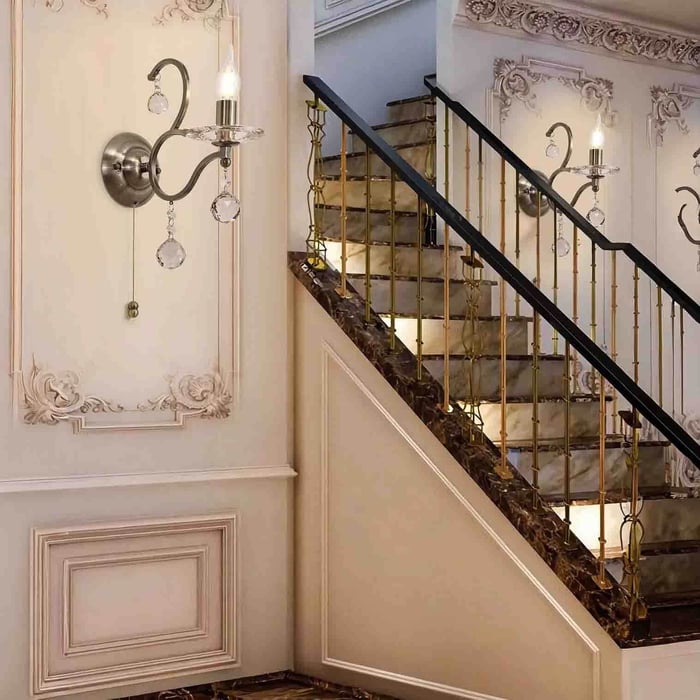
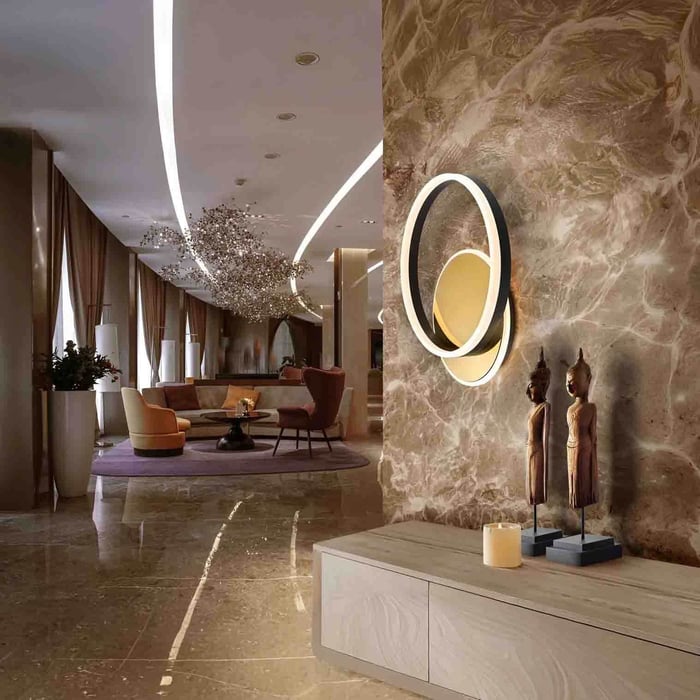
Hallways are one of the best places for wall lighting because overhead fixtures often create a bright strip with dim ends. Light on the walls spreads brightness along the length and makes the space feel wider. In small homes or apartments, hallways can be the first thing you see when walking in, so good lighting here sets the tone for the whole place.
Placement that works
height: 60-66 inches from floor to fixture center
spacing: every 6-8 feet in medium or long hallways
very short halls: one fixture at the midpoint, or two evenly spaced
If the hallway is narrow, choose a slimmer fixture and stay close to the wall so it doesn’t intrude into the walkway. Also account for doors when spacing: you don’t want a sconce hidden behind an open door or squeezed into an awkward sliver of space.
Fixture tips
slim profiles to keep shoulders clear
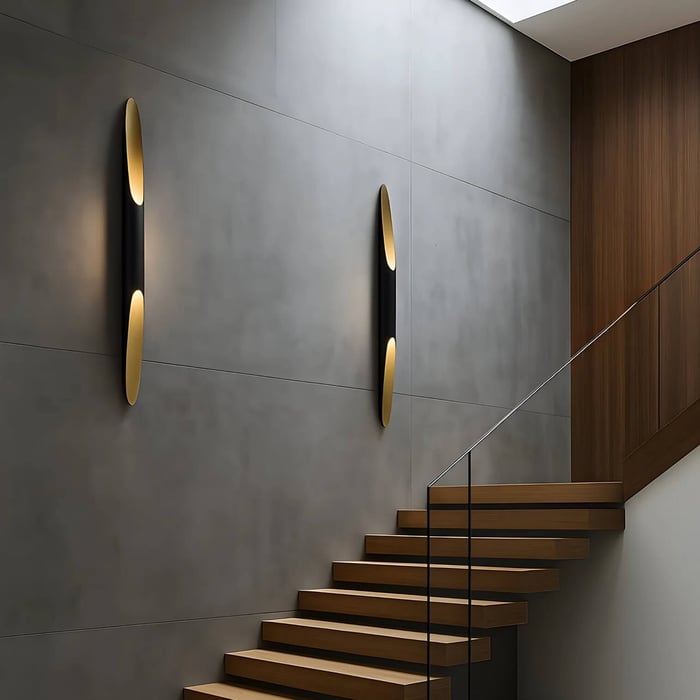
up/down designs that “stretch” the wall
warm bulbs (around 2700K) for a welcoming tone
A mirror or framed photo in the hall? Center a fixture beside or above it to make that spot feel intentional. If you have a long hallway, repeating the same style of wall lights at a steady rhythm makes the space feel designed, not improvised.
Extra hallway tip: Before you commit to drilling, plug in a lamp or temporary sconce and stand where you normally walk. You want the light to skim the walls, not hit your eyes. Testing at night matters, because daylight can hide dark patches that feel obvious after sunset.
Which Wall Lights Are Best for Bedrooms?
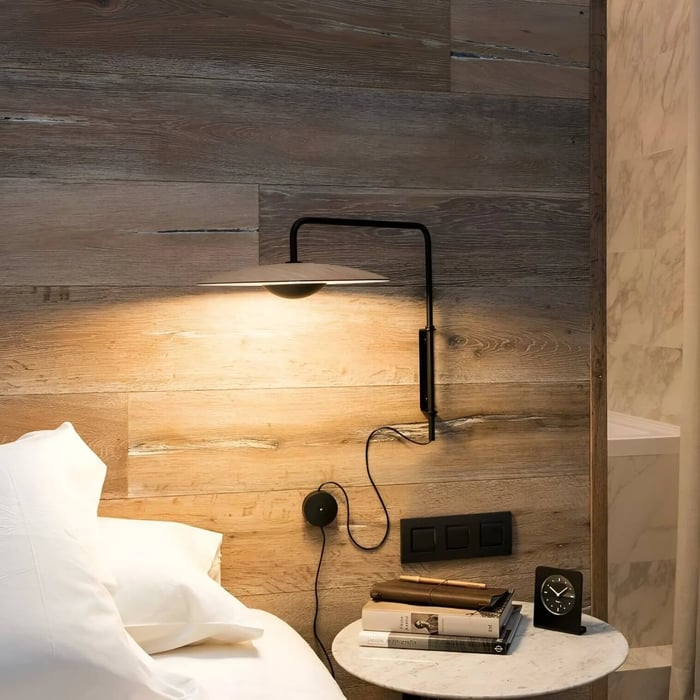
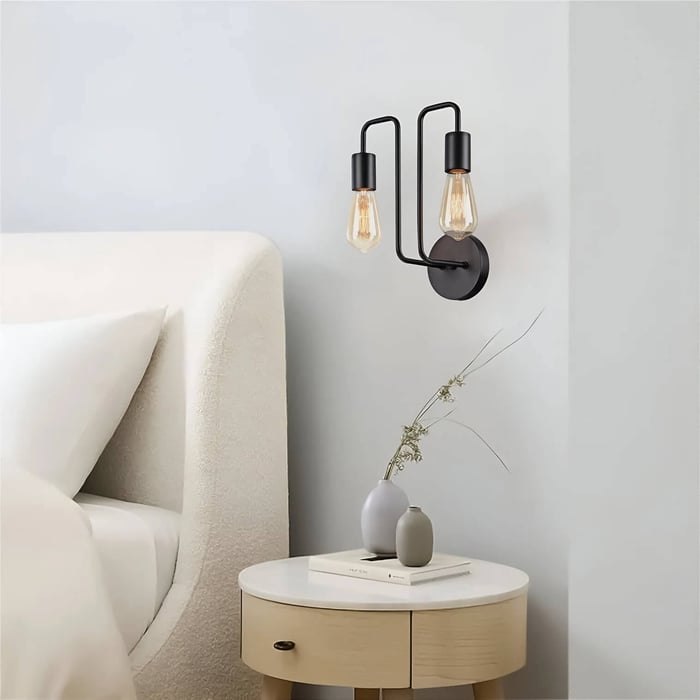
Bedrooms need light that works for winding down and waking up. The right bedside sconces replace table lamps, reduce clutter, and give you control over the room’s mood. They also help keep the ceiling light off at night, which instantly makes a bedroom feel softer.
Placement beside the bed
A good rule is to place the center of the fixture:
8-12 inches above your shoulder when seated in bed
usually around 48-60 inches from the floor, depending on bed height
6-12 inches outward from the mattress edge
If you have a tall headboard, anchor the wall lights to the headboard height rather than the floor. You want the light to feel connected to the bed area, not floating above it.
Fixtures that suit bedrooms
shaded sconces that glow softly
adjustable swing-arm styles
dimmable options
warm bulbs for a calm feel
Many people use bedside sconces as reading lights, since they keep illumination focused without lighting up the whole room. If you read at night, choose a fixture that lets you direct light slightly downward and away from your partner’s side. Dimmers matter here more than anywhere else, because bedtime routines vary so much from person to person.
Wall Light Features That Reduce Harsh Light
Glare is the main reason wall sconces feel uncomfortable. Even a beautiful fixture can be unpleasant if your eyes land on a bare bulb. Fixing glare is about choosing the right design and aiming it correctly.
Look for glare-reducing features
frosted glass or fabric shades
indirect designs that point toward the wall
bulbs hidden from direct view
dimmers or dimmer-ready fixtures
Shades don’t just prevent glare; they also soften shadows on faces and walls. Indirect fixtures create a quiet wash of light that makes rooms feel restful.
Placement trick
If a bulb is visible, set the fixture slightly above eye line and angle it away from beds or seating. The aim is a gentle wash, not a spotlight. In a hallway, that might mean tilting the light toward the opposite wall. In a bedroom, it might mean aiming slightly down toward your book or bedside area.
If you’re unsure, stand where you sit most often and look toward the wall. If the bulb is in your direct sight line, the fixture needs a shade, a different angle, or a small height adjustment.
Smart, Affordable Wall Light Upgrades
Great wall lighting doesn’t require a big budget. Start with smart placement and then pick fixtures that fit your room. Paying attention to bulbs, symmetry, and scale often matters more than the brand name on a box.
1. Plug-in sconces
Perfect for renters or quick upgrades.
run cords straight down for a tidy look
use paintable cord covers
place outlets behind furniture when possible
Plug-ins also let you test placement before committing to hardwiring.
2. Spend on bulbs, not just fixtures
A warm, high-quality bulb makes basic sconces look far more polished. Look for warm white color temperature and good color rendering so your room doesn’t look gray or washed out.
3. Buy pairs
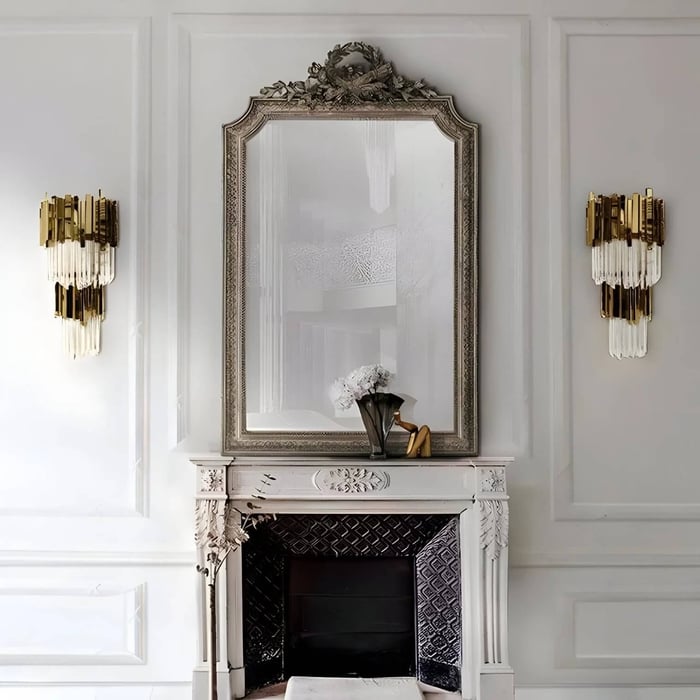
Two modest fixtures placed evenly look more considered than one expensive outlier. If you need to save, reduce the fixture cost and keep the “pairing” idea.
4. Balance with other lighting
If you already rely on cabinet lighting in a kitchen or built-in storage area, keep nearby sconces softer so the room stays evenly lit. Mixing bright task lighting with softer ambient lighting helps the home feel functional without feeling clinical.
How Wall Lights Fit Into a Lighting Plan
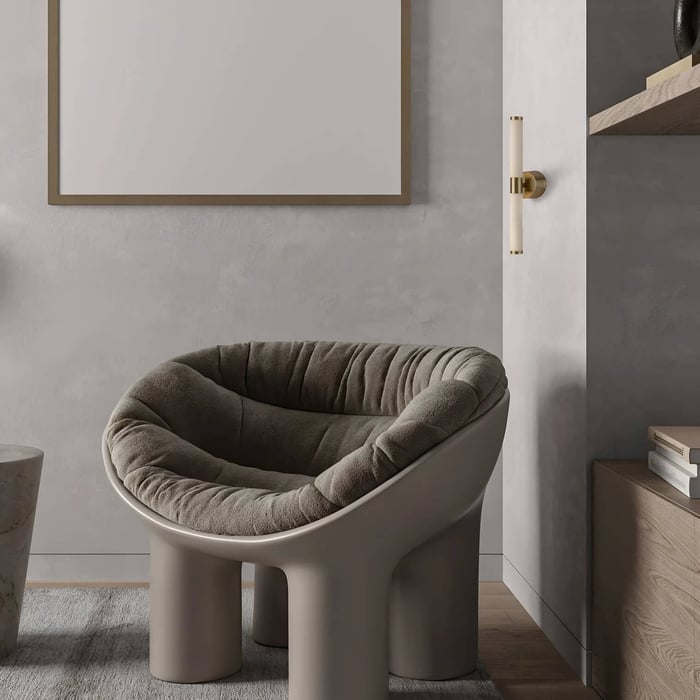
Sconces do their best work as part of a lighting plan. They reduce contrast, fill in dark zones, and make the room feel cohesive. When wall lights are the only source, spaces can feel patchy; when they’re combined with at least one other layer, everything feels smoother.
Easy pairings
combine sconces with a ceiling fixture for full coverage
add a floor lamp in a reading corner for depth
if you highlight art with picture lights, keep surrounding sconces subtle so the artwork remains the focus
keep bulb temperature consistent across fixtures so light feels unified
Think of sconces as the “background glow” that makes everything else work better. If you’re ever unsure whether you have too many lights, check how the room feels with just wall lights on. If it still feels comfortable and evenly lit, your layers are working.
Selecting Wall Lights by Size, Finish, and Function
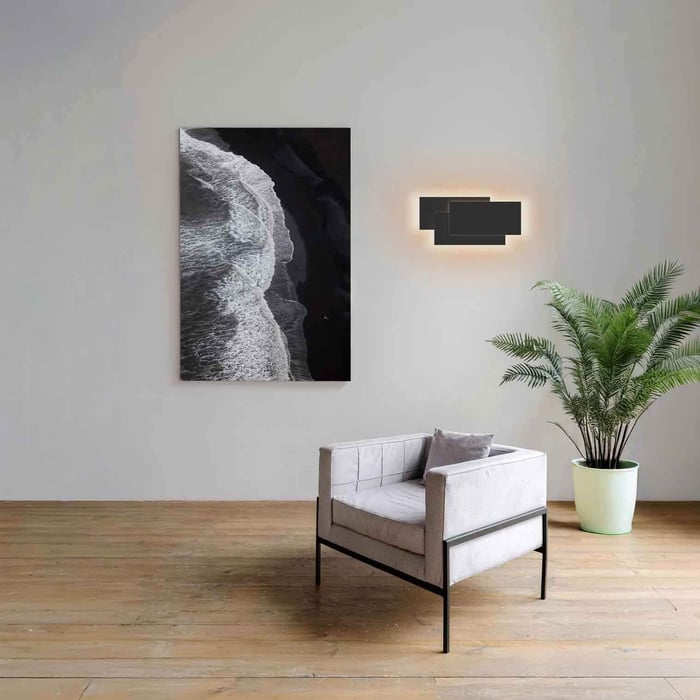
Placement handles comfort; style handles personality, and the right wall lights can do both. A fixture should fit the scale of your wall, match the room’s tone, and throw light in a direction that makes daily life easier.
Match scale to the space
narrow hallway → slimmer fixtures
wide bedroom wall → a slightly broader sconce for balance
small rooms → avoid oversized shades that dominate the sight line
Scale isn’t only about width. Depth matters too. In tight walkways, choose fixtures that sit close to the wall.
Choose a finish that fits the mood
Matte finishes feel softer and reduce reflections. Glossy finishes bounce more light and can feel a bit sharper. Either can work just match it to the room’s vibe. If your home has a mix of finishes, choose one dominant finish for the sconces so the lighting feels consistent.
A quick note on brand
If you want dependable build and clean design, options like alora mood and ideal lux are worth a look. Whatever you buy, prioritize warm bulbs and a light direction that suits the room. Even the best-looking fixture won’t feel right if it throws light straight into your eyes.
Problems That Throw Off Wall Lights (and How to Fix Them)
Mistake: fixtures placed too high
Fix: bring them down into the 60-66-inch range so the glow sits where you live, not where your ceiling is.
Mistake: bare bulbs at eye level
Fix: switch to shaded or indirect designs, or angle the fixture away from your line of sight.
Mistake: uneven spacing
Fix: measure from a center line, then mirror distances so both sides feel intentional.
Mistake: cool, harsh bulbs
Fix: use warm white bulbs (2700K-3000K). This matters more than most people expect.
Mistake: sconces competing with other lights
Fix: decide what the feature is, then let everything else support it. If an area is meant to be calm, keep the lighting quiet there.
A Simple Guide to Placing Wall Lights
Hallway
height: 60-66"
spacing: 6-8 ft apart
style: slim, indirect, warm bulbs
Bedroom beside bed
height: 48-60" depending on headboard height
distance from mattress: 6-12" outward
style: shaded, dimmable, adjustable if needed
Glare-free comfort
covered bulbs
frosted shades
indirect throws
dimmers for control
Conclusion
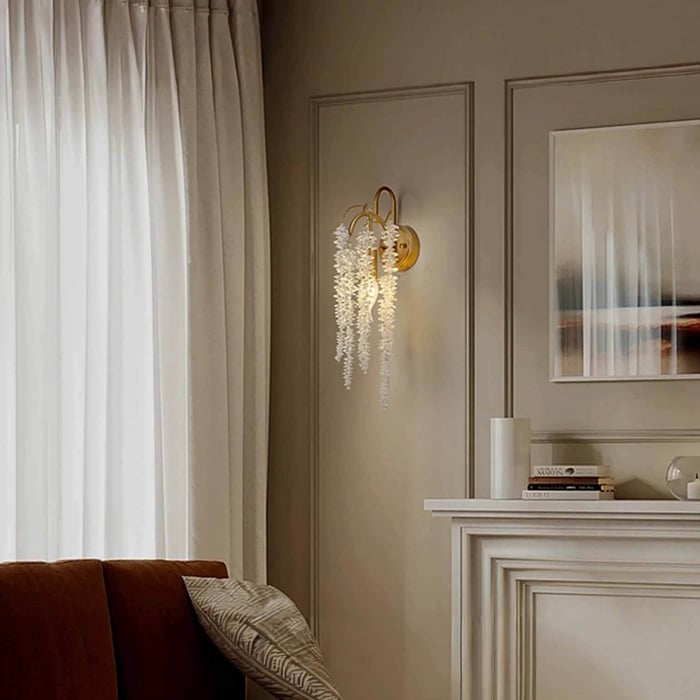
Wall lights look and feel right when they sit near eye level, follow clear focal points, and are spaced evenly. In small hallways, a steady rhythm of wall lights spreads brightness along the length of the space and avoids the tunnel effect of overhead fixtures. In bedrooms, properly placed sconces give calm bedside lighting, reduce clutter, and work well for reading and relaxing. Glare is prevented by choosing shaded or indirect fixtures and keeping bulbs out of direct sight lines. Even affordable wall lights can feel high-end when placement is balanced and bulb tone is warm. Measure first, mock up your layout, and you’ll end up with a comfortable everyday glow that feels inviting in every room.
FAQs
What height should wall lights be installed?
Most wall lights look and feel best when the center sits 60–66 inches from the floor. For bedside wall lights, go lower—about 48–60 inches, depending on your headboard and where your eyes sit when you’re in bed.
How far apart should wall lights be spaced?
In open areas, space wall lights 6–8 feet apart. In narrow hallways or tighter zones, use 3-5 feet to avoid dark gaps and keep the light even.
What wall lights are best for bedrooms?
Choose shaded, dimmable sconces or adjustable swing-arm wall lights. They give soft ambient light for relaxing and focused light for reading without taking up nightstand space.
How do I stop wall lights from glaring?
Pick wall lights with frosted shades, covered bulbs, or indirect light direction, and always use a dimmer. Install them slightly above eye line so the bulb isn’t in direct view.
Are plug-in wall lights worth it?
Yes, especially if you rent or want an easy upgrade. Plug-in wall lights install fast, cost less than hardwired options, and let you test placement before committing. Use cord covers for a clean look.