
Table of Contents
- Introduction
- Why Ceiling Lights Matter More Than You Think
- Decide What You Want The Room to Feel Like
- Pick The Right Type for Low Ceilings
- Choosing Ceiling Lights With the Right Brightness
- Ceiling Lights With Warm, Cosy Colour Temperature
- Ceiling Lights That Elevate Living Room Style
- Choosing Shades for Ceiling Lights That Control Brightness
- Ceiling Lights Ideas for Real Rooms (Low Ceilings Included)
- Conclusion
- FAQs
Introduction
Ceiling lights do more than help you see where you’re going. The right fitting can make a space feel bigger, warmer, and more alive, especially if your room feels flat or your ceiling is on the lower side. When chosen well, they spread light evenly and reduce those gloomy corners that make a space feel smaller. This guide will show you how to pick options that brighten a dull room and suit low ceilings without sacrificing style.
You’ll learn what to look for, what to avoid, and how to match light to the mood you want. We’ll cover practical tips for brightness, warmth, and fixture shape so your ceiling height works with you, not against you. Along the way, you’ll get easy ideas to upgrade living rooms and other key spaces. By the end, you’ll know exactly how to choose lighting that feels clear, cosy, and modern.
Why Ceiling Lights Matter More Than You Think
When a room feels dark or cramped, it’s rarely just “not enough light.” More often, the problem is how the light is being used in the space.
Usually it’s:
light landing in the wrong places
a fixture blocking or trapping light
bulbs that are too cool, too harsh, or too weak
the ceiling light does not match the room size or layout
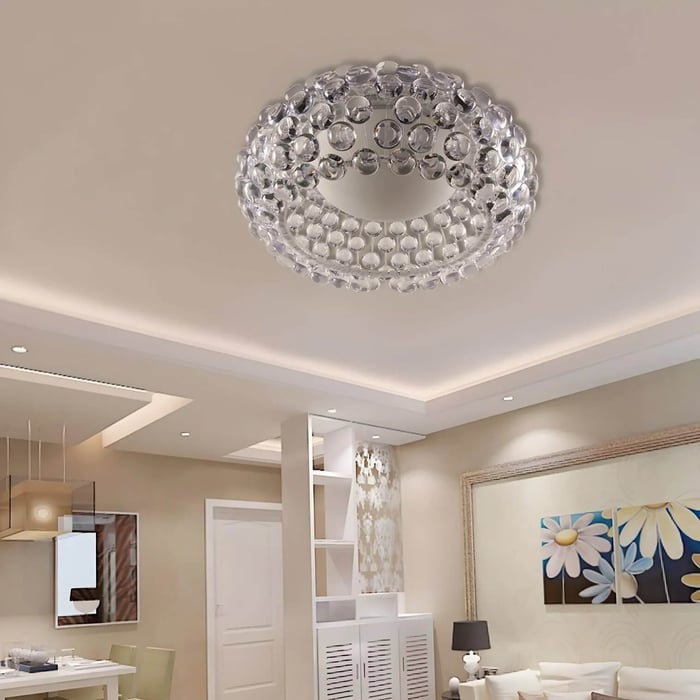
Good ceiling lighting fixes all three (and the extra one). It pushes light outward and downward so the whole room feels evenly lit, not patchy. Shadows soften, corners brighten, and the ceiling can even feel a bit higher.
Once your main ceiling light is doing its job properly, everything else gets easier. Lamps and accent lights start to feel like enhancements rather than rescue fixes, and the room looks brighter and more comfortable overall.
Decide What You Want The Room to Feel Like
Before choosing a style, figure out the vibe you want the room to have. Lighting decisions get much easier once you’re clear on the feeling you’re aiming for.
Do you want it to feel…
brighter and bigger?
warm and relaxed?
modern and clean but not glaring?
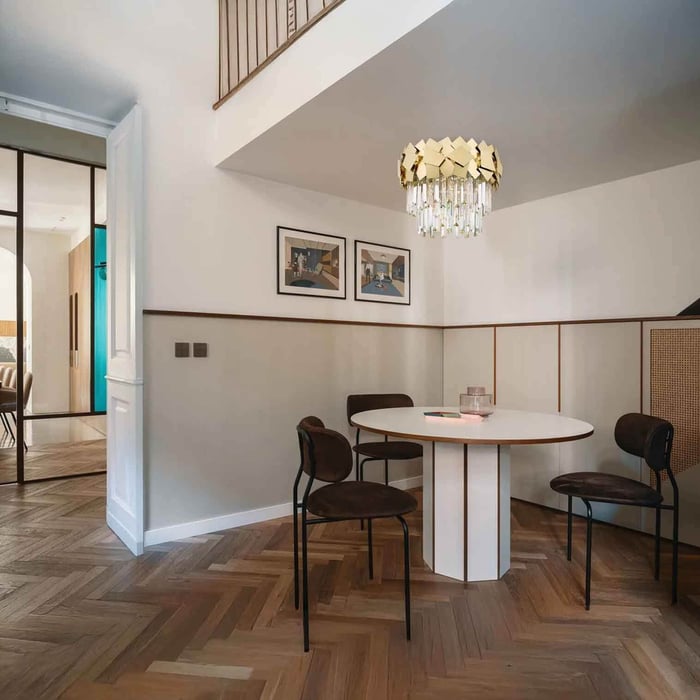
Your answer guides everything else, from the fixture shape to the shade material and bulb temperature. For example, if you want airy and open, you’ll lean toward wide, light-spreading fittings; if you want cosy, you’ll choose softer diffusers and warmer bulbs.
If your space is gloomy, focus on ceiling lights that brighten a dull room by choosing designs that throw light out across the ceiling and down into the room. Avoid dark or closed shades that trap light inside, because they keep the room feeling flat even when the bulb is strong.
Pick The Right Type for Low Ceilings
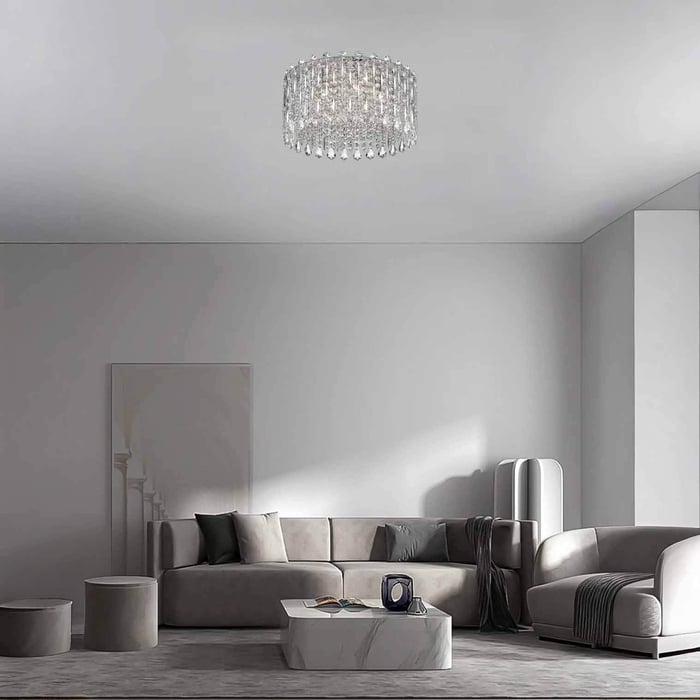
If your ceiling is low, the wrong fixture can make the space feel even tighter. So what ceiling lights are best for low ceilings? Generally, you want fittings that hug the ceiling and spread light wide.
Great options for low ceilings
1. Flush mounts
Sit tight to the ceiling and distribute light evenly. Perfect for bedrooms, hallways, and small living rooms.
2. Semi-flush mounts
Drop just a little lower (usually 10-20 cm), giving more style without stealing headroom.
3. Low-profile LED panels
Super slim, very bright, and clean-looking. Great for kitchens or ultra-low rooms.
4. Ceiling fan light
If your room also needs airflow, a low-profile ceiling fan lights can be a smart choice for tight spaces because it adds brightness without taking extra headroom.
Avoid these in low spaces
long pendants
big chandelier-style drops
anything with a deep shade that traps light upward
Low ceilings don’t mean boring ceilings. It just means choosing the right shape.
Choosing Ceiling Lights With the Right Brightness
A common worry is ending up with modern ceiling lights that aren’t too bright; you want the room to feel clear and open, not like you’re standing under a spotlight. The goal is strong, comfortable brightness that spreads evenly rather than hitting one harsh point.
Here’s how to balance it:
Use lumens, not watts
For main ceiling lights:
Small room (up to 10 m²): 1,500-2,500 lumens
Medium room (10-20 m²): 2,500-4,000 lumens
Large room (20 m²+): 4,000+ lumens (or multiple fittings)
Spread light, don’t blast it
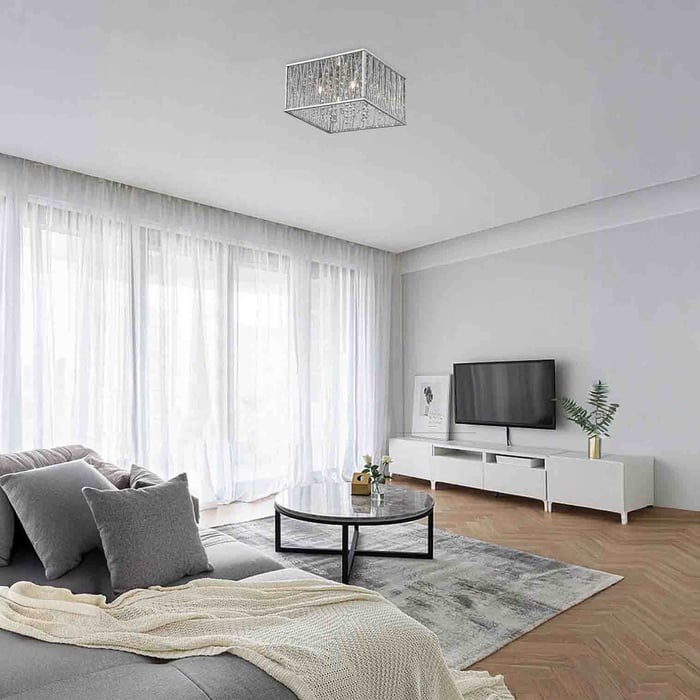
A wide diffuser (like opal glass or acrylic) helps scatter light across the room instead of letting it beam straight down. This makes the space feel bright overall, not patchy or overly intense in the center.
That soft, even spread is what makes ceiling lights that brighten a dull room feel pleasant rather than glaring. If you’re unsure, choosing a diffuser or frosted shade is the easiest way to get brightness with comfort.
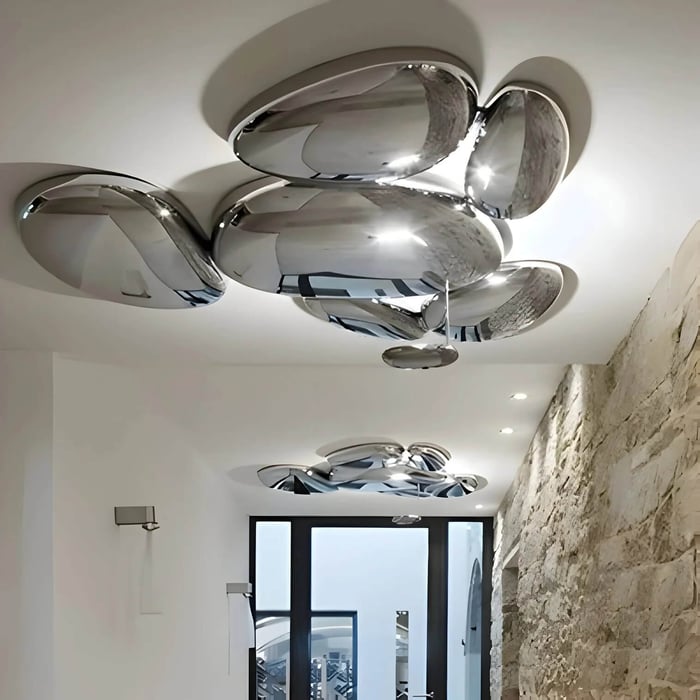
Ceiling Lights With Warm, Cosy Colour Temperature
If you want ceiling lights that give warm, cosy light, focus on colour temperature, not just brightness. The Kelvin (K) number tells you how warm or cool the light will feel in the room.
Quick colour temperature guide:
2700K-3000K: warm, cosy, living-room friendly
3500K-4000K: neutral, bright but not cold
5000K+: crisp daylight (can feel clinical at night)
Lower K = warmer glow, higher K = cooler, whiter light
For living rooms and bedrooms, stay around 2700K-3000K because it creates a soft, relaxing atmosphere. This range keeps skin tones flattering, reduces harsh shadows, and makes evenings feel calmer.
Think of it like candlelight vs. office light. Warm temperatures help a room feel welcoming and settled, so your main ceiling light supports comfort instead of fighting it.
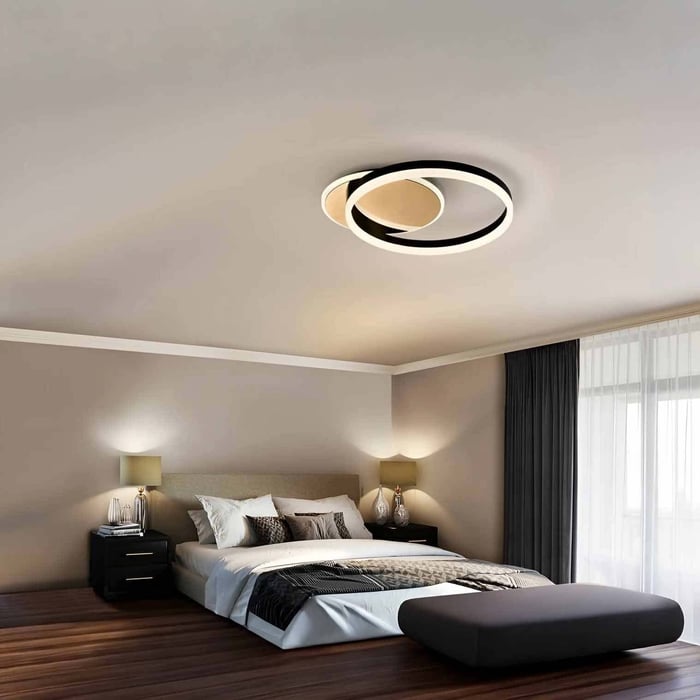
Ceiling Lights That Elevate Living Room Style
Need easy ceiling light ideas for living rooms that don’t require a full redesign? Try these simple switches that instantly lift the space without major work. Each idea helps you brighten the room, improve balance, and make the ceiling feel less heavy.
Simple upgrades that change everything
Swap a dated dome for a modern semi-flush
Instantly lifts the room without lowering the ceiling too much.Use a layered look
One central fitting + floor lamp + table lamp = brighter room, gentler feel.Choose reflective or light shades
White, cream, frosted glass, and pale metals bounce light around.Go for a “floating” design
Ring LEDs or fixtures that throw light upward and down make ceilings feel taller.Try a wide, shallow drum shade
It spreads light outward instead of focusing it in one spot, which makes the whole living room feel more open.Pick a fixture with multiple light points
A 35 light semi-flush or compact track style reduces shadows and brightens dull corners better than a single-bulb fitting.
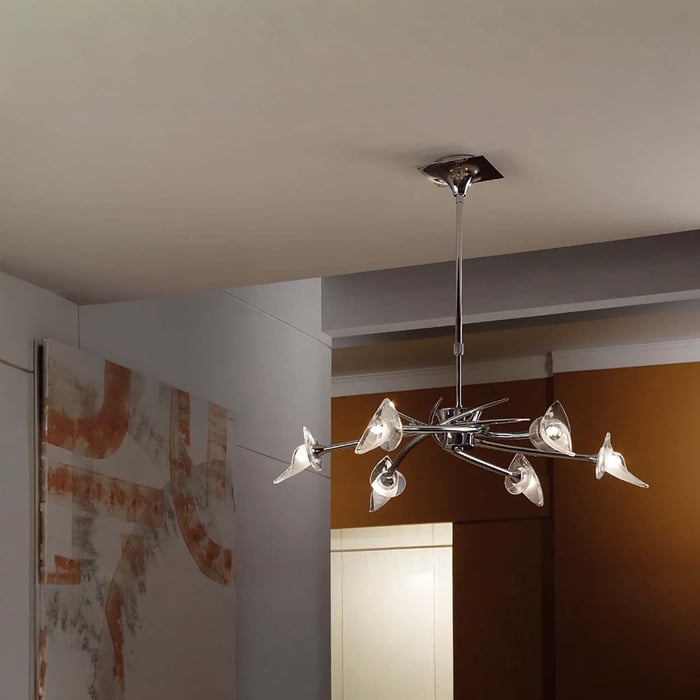
Choosing Shades for Ceiling Lights That Control Brightness
Shade choice is sneaky important for brightness and mood. It doesn’t just change how the light looks; it changes how far the light travels in the room.
For brighter rooms
clear glass
frosted glass
thin fabric in light colours
open-frame metal designs
For softer light
opal/frosted diffusers
linen shades
warm-toned glass (amber, smoke)
lighter, more open shades spread light wider, while thicker or tinted shades calm it down
If the room is dull, avoid dark, opaque shades because they trap light inside the fixture. Even with a strong bulb, the room can still feel dim if the shade blocks the glow.
If you love a darker shade for style, balance it with other sources like lamps or wall lights so that the space doesn’t lose brightness overall. That way, you keep the look you want without sacrificing a lighter, more open feel.
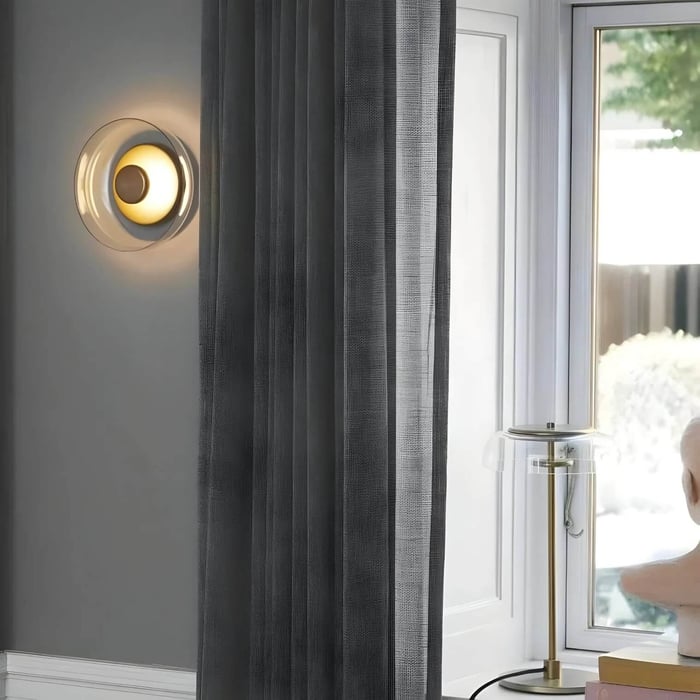
Ceiling Lights Ideas for Real Rooms (Low Ceilings Included)
1. Dull living room + low ceiling
semi-flush mount with frosted glass
3000K LED bulb
two warm table lamps in corners
Result: open feel + even brightness.
2. Small bedroom + calming vibe
flush mount fabric drum shade
2700K bulb
dimmer switch
Result: cosy without feeling dark.
3. Modern space + no harshness
low-profile LED ring
neutral diffuser
3000K light
Result: modern ceiling lights that aren’t too bright.
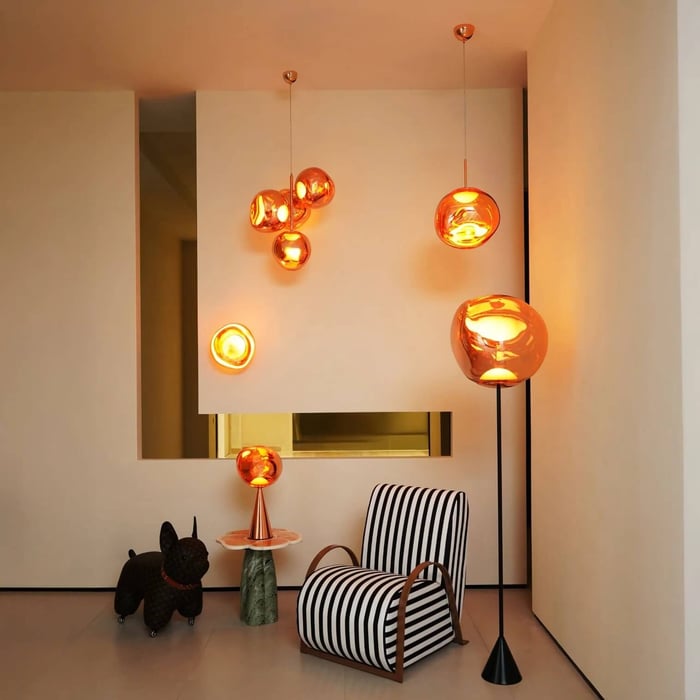
If you want a fun accent glow in a lounge corner, lava lights can add softness without changing your main ceiling setup.
Conclusion
Choosing ceiling lights isn’t just about style, it’s about how the fixture works in your space. When you pick the right type for low ceilings, focus on wide light spread, and match brightness and colour temperature to the mood you want, even a dull or cramped room can feel bigger, warmer, and more inviting. Small choices like using lumens, selecting warm, cosy bulbs, and avoiding light-trapping shades add up to a ceiling light that brightens evenly without glare.
Now it’s your turn to make your room feel its best. Use the checklist above when shopping, and start with one upgrade that solves your biggest issue, whether that’s low headroom, gloomy corners, or harsh brightness. If you’re exploring brands, Maytoni has a range of low-profile options worth considering for these spaces. Get the right light up there, and your whole home will feel like it just leveled up.
FAQs
What ceiling lights are best for low ceilings?
Flush mounts and semi-flush mounts are best because they sit close to the ceiling while spreading light widely. Low-profile LED panels also work well in very tight spaces.
How bright should ceiling lights be for my room?
Use lumens as a guide:
Small rooms: 1,500-2,500 lumens
Medium rooms: 2,500-4,000 lumens
Large rooms: 4,000+ lumens or multiple lights
This keeps the room bright without feeling harsh.
Which ceiling lights make a dull room look brighter?
Choose fixtures with wide diffusers (frosted/opal glass) and light-colored or open shades. These throw light outward and reduce dark corners.
What bulb color gives warm, cosy ceiling light?
Pick bulbs in the 2700K-3000K range. This creates a soft, warm glow that feels relaxing and welcoming, especially in living rooms and bedrooms.
How do I avoid glare from modern ceiling lights?
Go for frosted covers or diffusers and avoid bare-bulb designs in main areas. Adding a dimmer also lets you control brightness for comfort.