
Table of Contents
- Introduction
- Classic Table Lamps: Features, Materials, and Silhouettes
- Modern Table Lamp Styles for Minimalist and Contemporary Homes
- Transitional Table Lamp Ideas for Evolving Interiors
- How to Choose Table Lamp Bulbs, Dimming, and Control
- How to Mix Table Lamps: Classic and Modern in One Space
- Best Table Lamps for Living Rooms, Bedrooms, and Home Offices
- How to Coordinate Table Lamp Finishes, Shades, and Proportions
- Conclusion
- FAQs
Introduction
In today’s interiors, table lamps do more than brighten a corner; they sculpt mood, highlight texture, and balance your furniture and décor. Thoughtfully chosen pieces can streamline a minimalist space, soften a traditional room, or pull together an eclectic mix of styles.
Clean silhouettes, refined finishes, and innovative features like dimming and smart control have transformed what used to be purely functional into objects of quiet sculpture. This guide helps you choose, style, mix, and maintain your table lamps so they feel intentional in every room, and it gives you a reference you can return to whenever you refresh your décor.
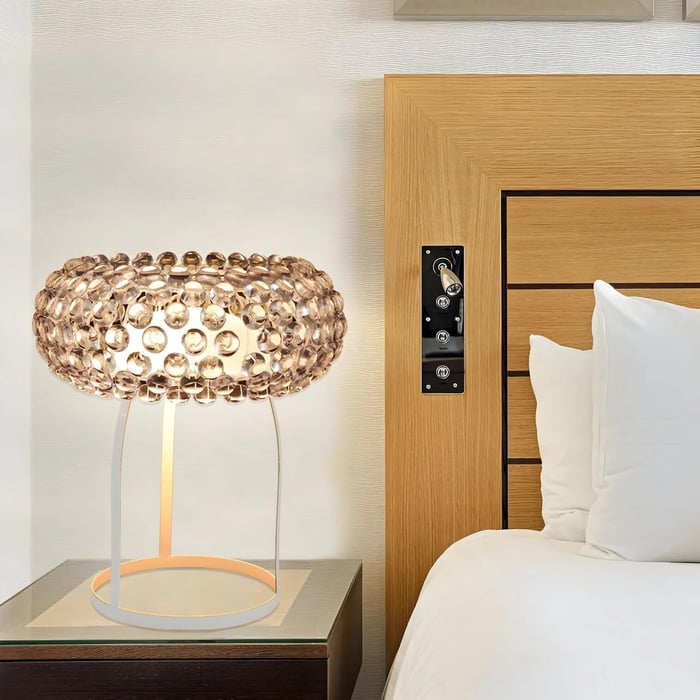
Classic Table Lamps: Features, Materials, and Silhouettes
At their core, table lamps are defined by character and detail. Think sculpted bases, rich finishes, and shades that are as considered as the furniture they sit beside. These are the pieces that instantly read “classic” and feel right at home in layered, heritage-inspired interiors.
Signature traits include:
Ornate bases: carved wood, fluted columns, turned silhouettes, or sculptural ceramic forms.
Luxurious finishes: aged brass, antique bronze, glossy ceramic, or hand-painted motifs.
Detailed shades: pleated silk, tailored fabric with trims, or stained glass that casts patterned light.
Timeless silhouettes: urns, balusters, candlestick profiles, and traditional drum or empire shades.
You’ll often see these table lamps flanking a sofa in the living room, anchoring a console in the entryway, or creating symmetry on a sideboard. Materials such as brass, ceramic, and stained glass reinforce a sense of craftsmanship and history, echoing classic lighting styles that never feel dated when balanced with fresh textiles and art.
For a curated, listicle-friendly approach, try:
A ceramic urn lamp with a pleated shade in the library.
A stained-glass accent lamp on a small side table for jewel-like color, or lava lights for a playful, nostalgic glow.
A pair of brass candlestick lamps on a traditional console to frame a mirror.
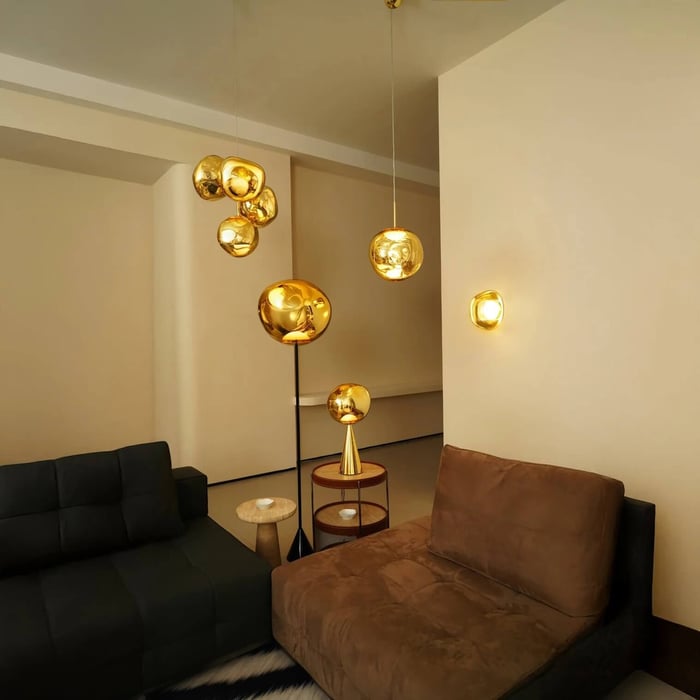
Modern Table Lamp Styles for Minimalist and Contemporary Homes
On the opposite end of the spectrum sit modern table lamps, defined by sleek materials, streamlined forms, and a restrained palette. Instead of ornate detail, these designs rely on proportion, geometry, and texture.
Key characteristics:
Minimal forms: cylinders, discs, domes, and slender rods rather than carved ornament.
Neutral palettes: matte black, soft white, greige, or muted metallics that recede into the room.
Contemporary materials: metal, marble, smoked or frosted glass, and engineered stone.
Integrated technology: discreet LED engines, USB ports, wireless charging pads, and touch controls.
Many contemporary designs lean toward sculptural metal pieces with spherical or halo-like diffusers, marble plinth bases, and frosted glass domes that create soft, even pools of light. These table lamps work beautifully as table lamp styles for minimalist or contemporary interiors, especially when layered with recessed lighting and wall fixtures.
Use them where clarity and calm matter most:
A clean-lined office desk.
A streamlined console in the hallway.
Bedside table lamps in a hotel-inspired bedroom.
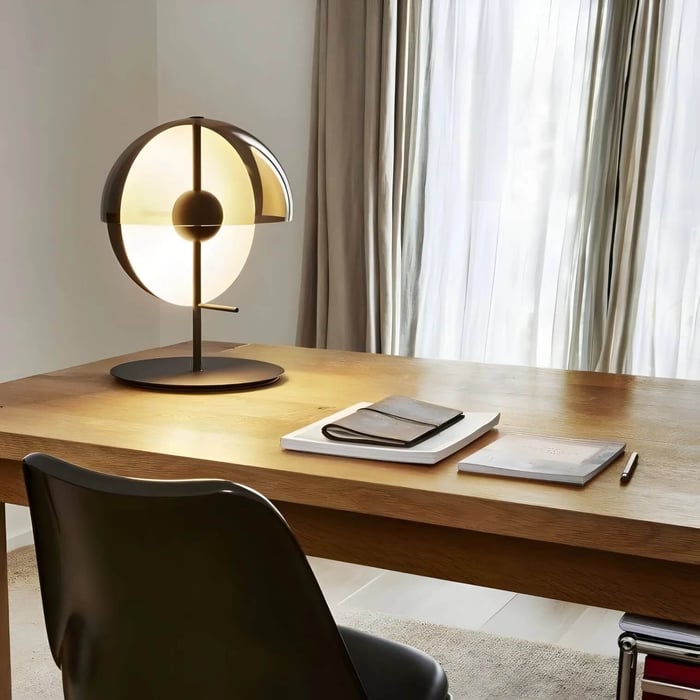
Transitional Table Lamp Ideas for Evolving Interiors
Between classic and ultra-modern lies a sweet spot: transitional table lamps that borrow from both. Here, a traditional profile might be updated with a crisp linen drum shade, or a simple base might be wrapped in a warm brass that references heritage design without feeling heavy.
Think:
A fluted ceramic base in a soft, modern color like putty or stone.
A classic column silhouette paired with a slim metal base and linen shade.
Mixed material combinations of stone and metal, glass and wood that bridge old and new.
These hybrid table lamps are ideal when your décor is in flux or intentionally eclectic. They allow you to mix vintage furniture with contemporary art, or traditional architecture with clean-lined seating, without your lighting feeling out of place.
To style them:
Repeat one element: echo a metal finish, stone tone, or shade color at least three times in the room.
Balance weight: if your furniture is heavy and traditional, go for cleaner shades and bases.
Edit pattern: let the lamp either be the statement (patterned base) or the backdrop (plain base, simple shade), not both.
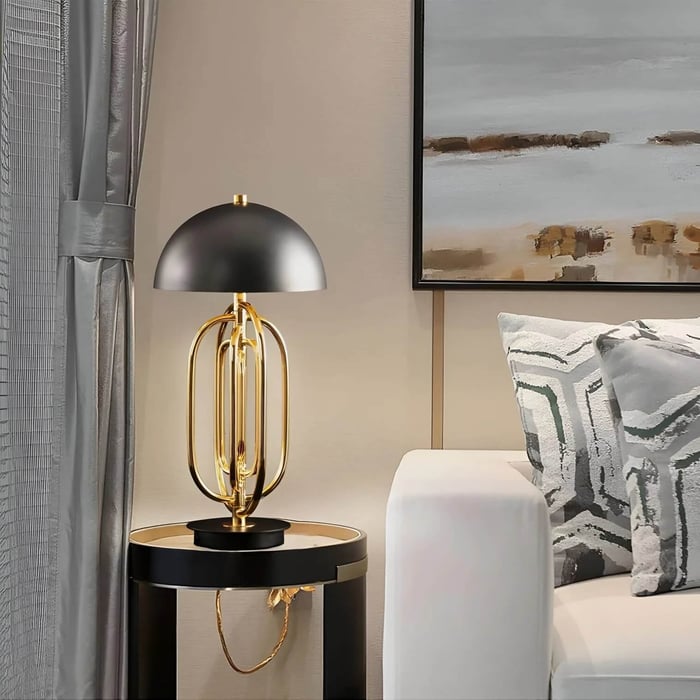
How to Choose Table Lamp Bulbs, Dimming, and Control
Design is only half the story; how a lamp behaves can make or break its usefulness. When comparing different table lamp materials and styles, pay close attention to controls, bulbs, and light quality.
Dimming & controls
Rotary or inline dimmers are simple and intuitive, ideal for reading nooks and reading lights beside a favorite chair.
Touch or tap bases are perfect for nightstands where you don’t want to fumble for a switch.
Smart-enabled options, including many designs from mantra, connect to apps or voice assistants so you can schedule scenes, adjust brightness, and automate routines.
Bulb choices
For most homes, LED is the go-to for efficiency and longevity. Aim for:
Warm white (2700-3000K) for bedrooms and lounges.
Neutral white (3000-3500K) for task zones like desks and craft tables.
High CRI (90+) to render fabrics, woods, and art accurately.
Maintenance & care checklist
Dust bases weekly with a soft, dry cloth (microfiber for metal, slightly damp cloth for ceramic).
Vacuum fabric shades with a brush attachment; spot-clean stains gently with mild soap.
Avoid harsh chemicals on brass and bronze; use a dedicated metal polish sparingly.
Check cords annually for wear, and keep lamps away from direct heat sources and wobbly surfaces.
Follow these basics and your lamps can easily last a decade or longer with only occasional bulb changes.
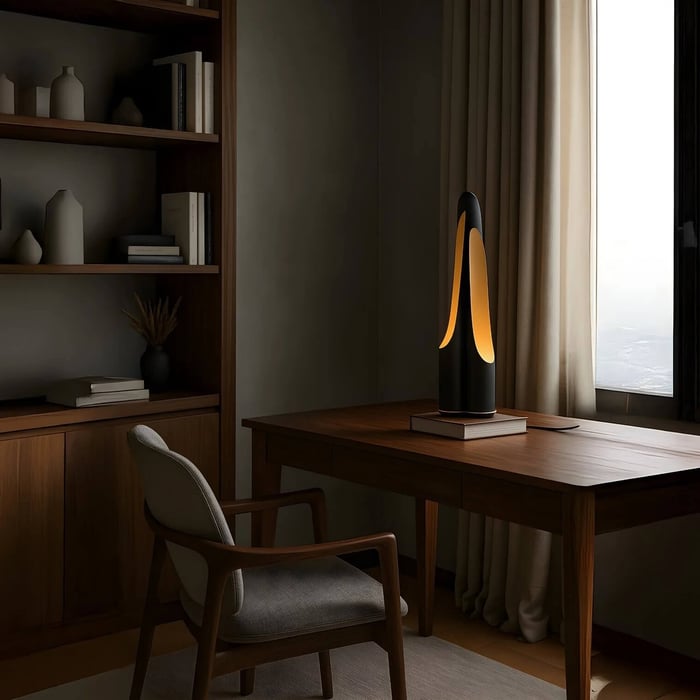
How to Mix Table Lamps: Classic and Modern in One Space
Layering different looks in the same room is where your lighting starts to feel truly designed, and mixing them focuses on making that mix cohesive rather than chaotic.
Ways to blend styles effectively:
Classic base, modern shade: pair a traditional carved or urn-style base with a plain linen drum shade. This instantly strips visual heaviness and makes the piece feel fresh.
Modern base, classic textile: Use a slim metal lamp with a subtly pleated or trimmed shade to bring in softness.
Mixed finishes, unified palette: combine aged brass, matte black, and stone, but keep the overall color story tight think warm neutrals or cool monochrome.
Vary height, align purpose: layer taller lamps behind a sofa and shorter ones on side tables, all dimmed to a similar glow level for harmony.
When mixing, the goal is depth, not clutter. Too many wildly different silhouettes or colors will feel busy. Tie everything together with consistent shade color (for example, off-white or sand), and let just one or two lamps be the “statement” pieces.
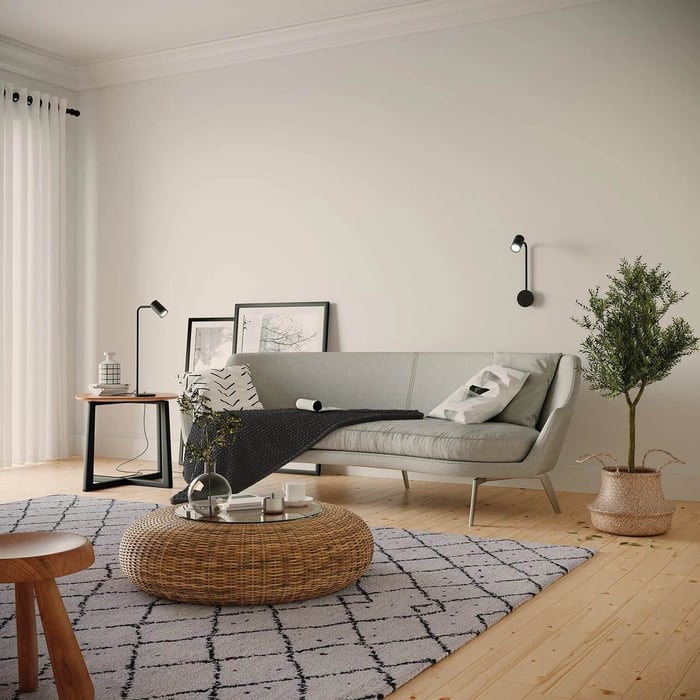
Best Table Lamps for Living Rooms, Bedrooms, and Home Offices
Different rooms demand different functions, so it helps to think in zones. Intentional placement and the right size and proportion of your table lamps are what elevate a space from “lit” to beautifully layered.
Living room
Use living room table lamps to create balanced pools of light at eye level.
Place lamps on side tables so the bottom of the shade sits roughly at seated eye height.
Choose medium to large scales to stand up to sofas and armchairs.
Bedroom
Bedside table lamps should be tall enough that light falls on your book, not in your eyes—typically with the shade bottom just above your shoulder when sitting up.
Switches or touch controls should be reachable without leaning forward.
Home office or studio
Opt for modern table lamps with focused, glare-controlled light and adjustable heads or dimming.
Integrated USB charging can free up outlets and keep the desk tidy.
Open-plan spaces
Thoughtfully chosen table lamps can also act as subtle space dividers in open layouts one style grouping in the lounge area, another tying together a dining or work zone, all sharing a cohesive finish or shade color so the entire floor still feels unified.
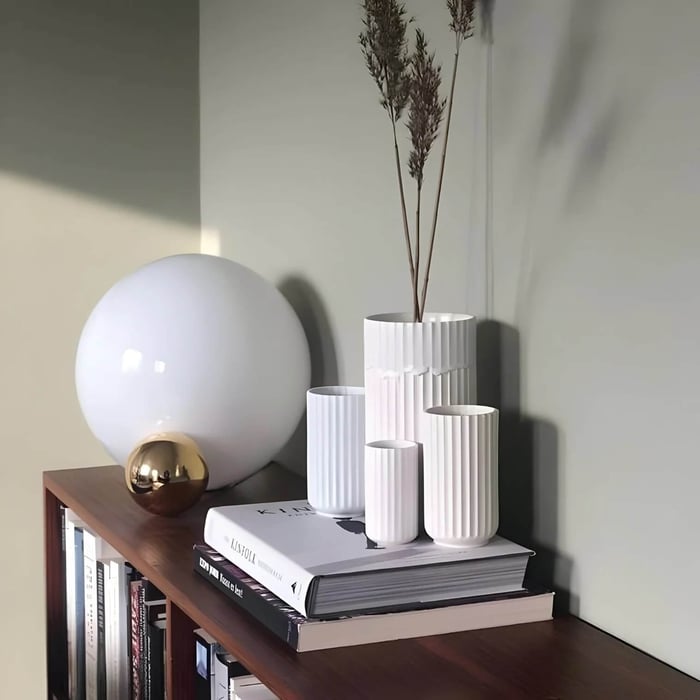
How to Coordinate Table Lamp Finishes, Shades, and Proportions
A polished interior depends on consistency. That doesn’t mean every lamp must match, but each should feel like it belongs to the same story. Think of this section as your mini table lamp placement guide.
Consider:
Finishes: repeat key metals (brass, black, nickel) at least three times across hardware, lighting, and décor, and consider textured ceramic or plaster lights for added depth.
Shades: stick to one or two fabrics (like linen and parchment) for continuity; vary shapes subtly, drum, oval, empire for interest.
Proportion: lamps should feel in scale with their tables and surroundings; avoid tiny lamps on massive consoles or oversized bases on delicate side tables.
When in doubt, take a step back and evaluate the composition like a photo. Do the heights stair-step pleasingly? Does the lamp visually relate to the art, mirror, or window behind it? Small adjustments, such as raising a lamp on a stack of books, swapping a shade, or aligning the top of multiple shades, can dramatically improve overall balance.
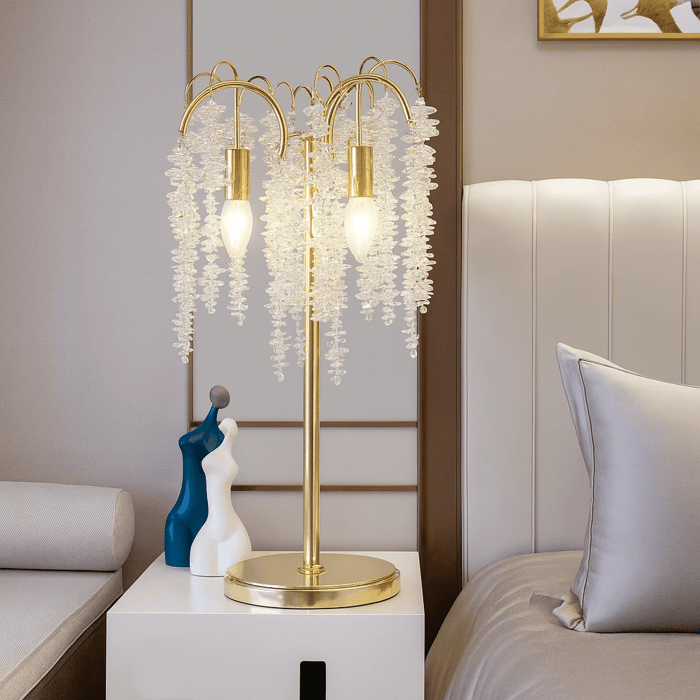
Conclusion
Thoughtfully planned table lamps bridge function and design, shaping mood, highlighting texture, and reinforcing your home’s architectural and décor choices. From classic silhouettes and rich materials to modern profiles and transitional designs that blend both, the right pieces can adapt to evolving tastes and different rooms in your home.
By choosing bulbs, dimmers, and controls carefully, placing lamps by zone, living room, bedroom, home office, and open-plan spaces, and paying attention to finishes, shades, and proportions, you create layered lighting that feels intentional rather than accidental.
Keep this guide as a long-term reference whenever you refresh a room, plan a reading corner, or rethink how your lighting supports everyday life. With the right lamps in place, every switch you flip won’t just light a room; it will make your home feel finished, welcoming, and unmistakably yours.
FAQs
What size table lamp should I choose for my side table or nightstand?
Choose a lamp that’s roughly 1.5× the height of your side table, and aim for the bottom of the shade to sit around eye level when you’re seated or in bed. For most spaces, that means:
Side tables: 24-28 in (about 60-70 cm) total lamp height
Nightstands: 24-27 in (about 60-68 cm), depending on mattress height
Which table lamp style works best with my existing décor?
Match the lamp to the mood of the room:
Traditional / classic rooms - lamps with sculpted bases, warm metals, pleated or fabric shades
Modern / minimalist rooms- clean lines, simple shapes, neutral finishes, drum or dome shades
Eclectic or evolving rooms- transitional lamps that mix materials (stone + metal, glass + wood) or classic shapes with modern finishes
If your furniture is already busy, choose a simpler lamp so the room doesn’t feel crowded.
What bulb should I use in a table lamp for reading or working?
For most homes:
Reading / work (desk, task areas): 3000-3500K (neutral white), LED, 8-12W (equivalent to ~60-75W incandescent), high CRI (90+)
Relaxing (bedroom, living room): 2700-3000K (warm white), dimmable LED if possible
Always check the maximum wattage on the lamp socket and stay under that limit.
How do I keep my table lamps clean and looking new?
A quick routine is enough:
Base: dust weekly with a soft microfiber cloth; use a slightly damp cloth for ceramic or glass
Shade: vacuum with a brush attachment or use a lint roller; spot-clean fabric with mild soap and water
Metal finishes: avoid harsh chemicals; use a dedicated metal polish sparingly on brass or bronze
Safety: check cords once a year for cracks, kinks, or loose plugs
Done regularly, this keeps your lamps looking fresh and extends their lifespan.