
Table of Contents
- Introduction
- Elegant Designer Lighting: Detail in Every Piece
- Streamlined Designer Fixtures for Contemporary Homes
- Designer Lighting for Evolving, Eclectic Interiors
- Lava Lights: A Standout Category in Niori’s Designer Lighting Collection
- How to Light Every Room with Designer Fixtures
- Styling and Maintaining Your Designer Lighting
- Conclusion
- FAQs
Introduction
Designer lighting has the power to completely reshape how a room feels, functions, and flows. It is more than a source of brightness; it is an architectural detail, a mood-setter, and one of the most influential styling tools in any home. When chosen with care, designer lighting frames artwork, highlights textures, softens hard corners, and creates a sense of harmony that pulls an entire space together.
Niori’s collection of designer lighting takes this idea even further. The brand focuses on sculptural forms, contemporary finishes, and warm, diffused glows that balance both function and beauty. Whether you are updating a single room or rethinking your whole home, Niori lighting offers pieces that feel timeless while still responding to modern lifestyles.
This guide walks you through how to choose, layer, style, and maintain your designer lighting, with a focus on how the Niori collection can help you build a cohesive lighting scheme from room to room. Expect practical insights, curated tips, and design-led ideas that make it easy to elevate your home with confidence.
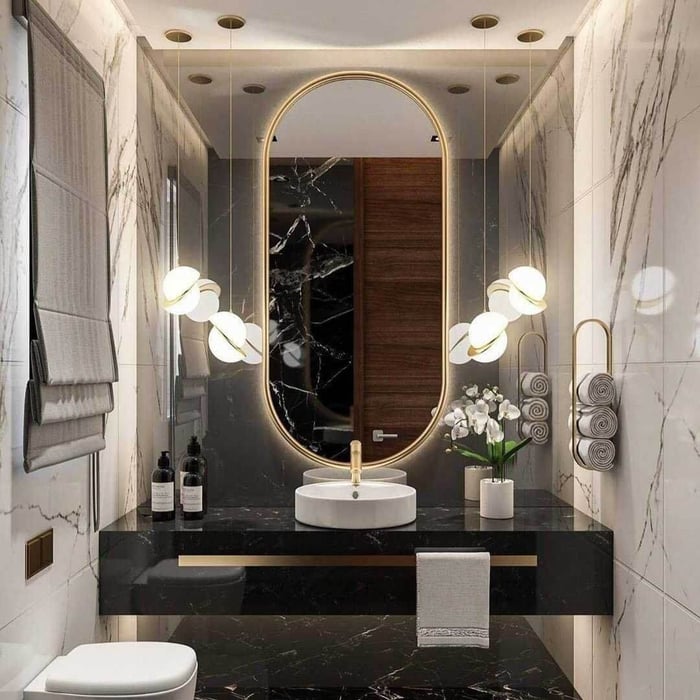
Elegant Designer Lighting: Detail in Every Piece
Traditional designer lighting usually features ornate bases, warm metallic finishes, and intricate details, but Niori’s take on this aesthetic is more curated. Instead of heavy ornamentation, the brand uses refined silhouettes and rich materials to achieve elegance through simplicity.
Warm brass tones, ribbed or frosted glass, and thoughtfully shaped shades bring a sense of craftsmanship to any room. A Niori globe wall light on either side of a bathroom mirror instantly introduces hotel-like luxury, while a classic-style sculptural table lamp can add warmth to a hallway console. These pieces maintain the timelessness of traditional designer lighting but remove the clutter, resulting in fixtures that feel sophisticated, serene, and easy to blend with other styles.
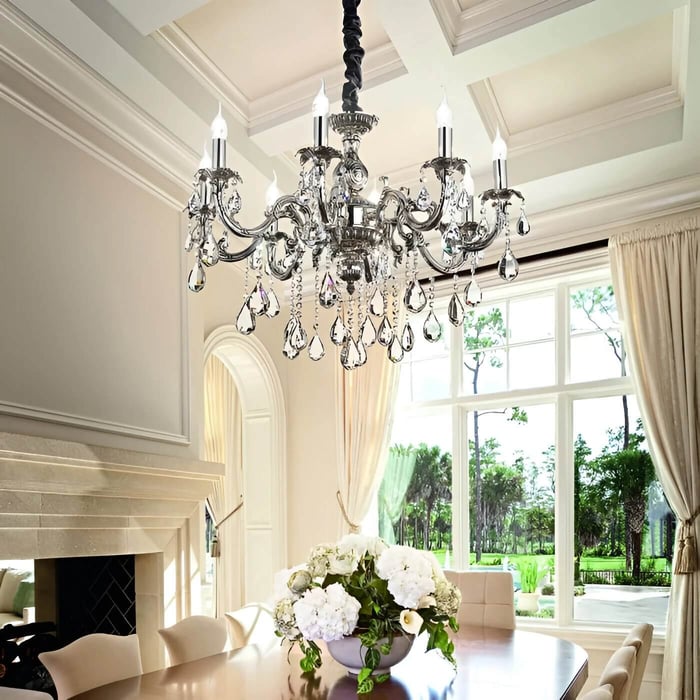
Crystal-inspired chandeliers or multi-globe pendants from the Niori collection also offer a modern interpretation of luxury. When placed above dining tables, they create a focal point that feels dramatic but still clean-lined. The effect is elevated but never overwhelming, making them ideal for those who appreciate the calm side of classic design.
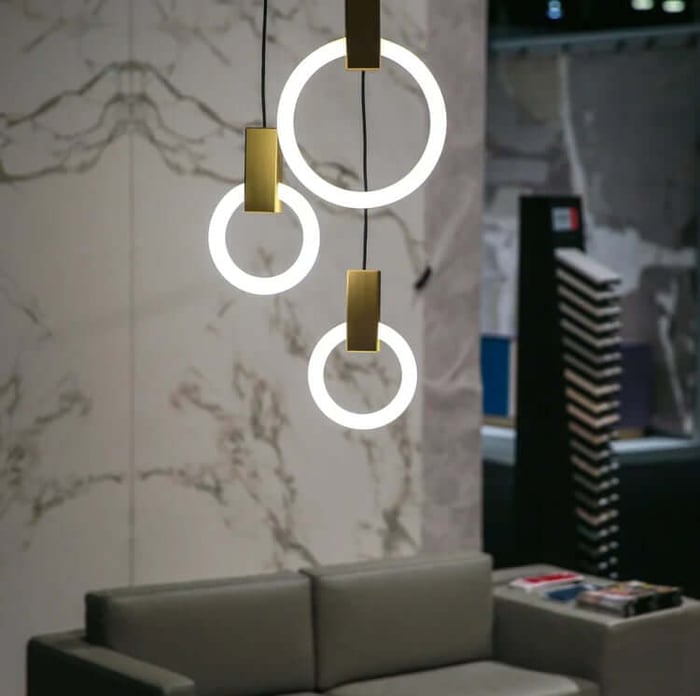
Streamlined Designer Fixtures for Contemporary Homes
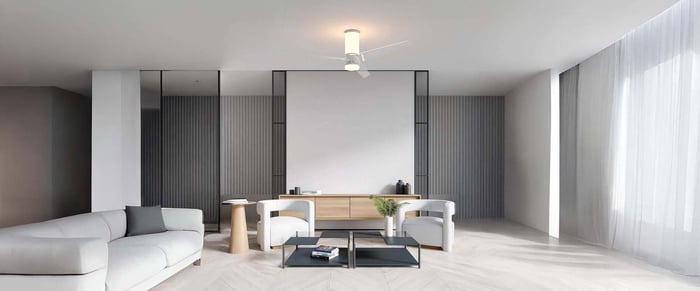
For modern homes, Niori excels in delivering streamlined, minimalist designer lighting that feels sculptural yet understated. This style focuses on geometry, balance, and light as a design element in itself.
Expect to find slim metal forms, soft matte finishes, and integrated LED features that keep each piece visually refined. These fixtures slot seamlessly into kitchens, living spaces, home offices, and open-plan layouts where clean lines and subtle detailing are essential.
Think:
• Linear LED bars over kitchen islands
• Circular or tiered ring pendants in living rooms
• Compact wall sconces that illuminate hallways without visual clutter
• Minimalist floor lamps that offer height and presence without heaviness
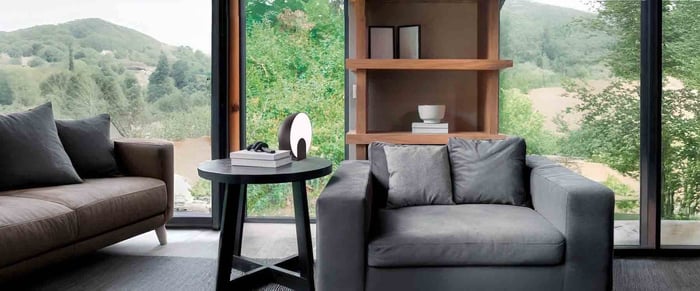
Niori’s contemporary designer lighting works beautifully with neutral palettes, textured fabrics, and architectural materials such as concrete, marble, and natural wood. By keeping the silhouettes simple and the light soft, these fixtures enhance creativity, calm, and clarity in everyday spaces.
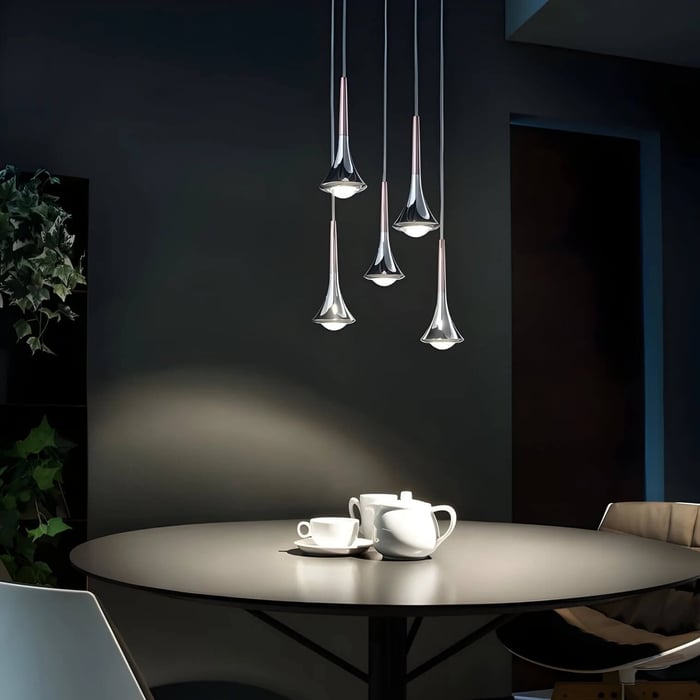
Designer Lighting for Evolving, Eclectic Interiors
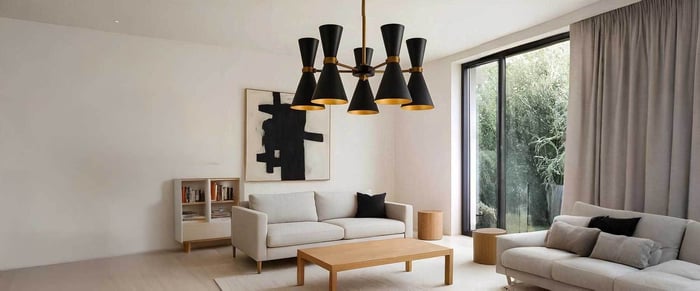
Most homes naturally blend pieces from different eras and styles, and designer lighting plays a fundamental role in bringing cohesion to those spaces. Niori offers many fixtures that bridge classic and modern influences, making them ideal for transitional or eclectic interiors.
These hybrid designs often include:
• Sculptural bases with clean geometry
• Globe or dome-shaped diffused glass
• Warm metallic accents paired with modern profiles
• Modern pendants softened with organic curves
Because these pieces hold both character and simplicity, they adapt easily to evolving interiors. A Niori floor lamp can sit beside a mid-century armchair without feeling out of place, while a sculptural pendant can soften a crisp, minimal dining area.
Lighting in transitional spaces helps define mood and bring structure. A hallway with a traditional console might feel more contemporary with a sleek Niori table lamp. A modern sofa becomes more inviting with the glow of a softly curved wall light. Eclectic interiors thrive on balance, and designer lighting is one of the most effective ways to achieve that.
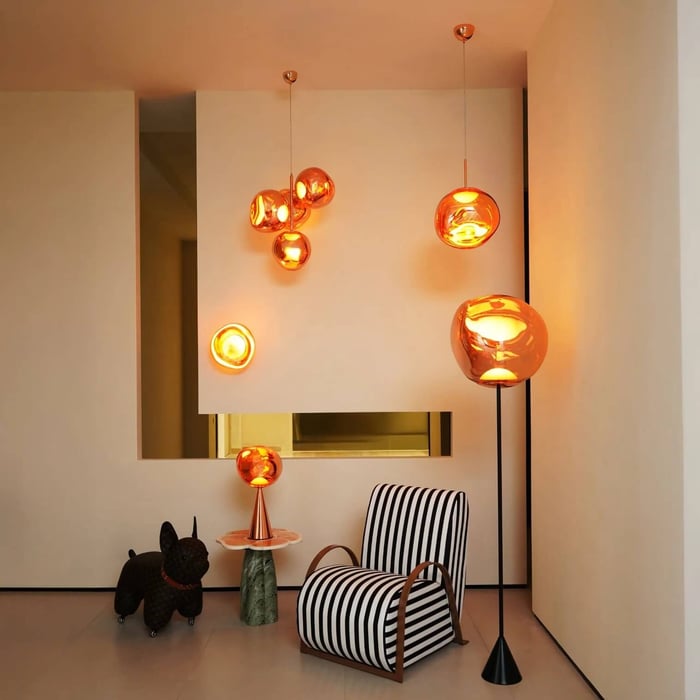
Lava Lights: A Standout Category in Niori’s Designer Lighting Collection
These pieces combine sculptural form, atmospheric glow, and a uniquely modern aesthetic that sets them apart from traditional pendants or chandeliers. If you want lighting that feels like art as well as function, Niori’s lava lights are a compelling choice.
What Makes Niori Lava Lights Special
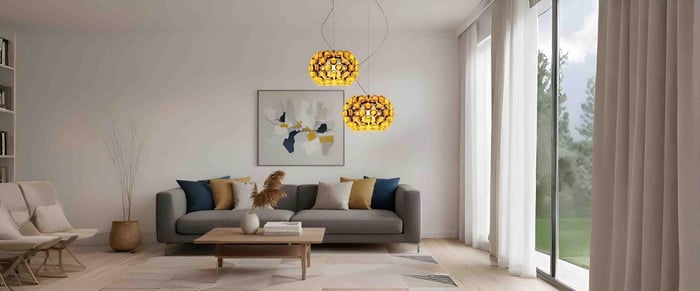
Niori’s lava-light fixtures stand out because they embrace fluid shapes, molten-inspired textures, and finishes that shift dramatically under different lighting. For example, the Lava Large LED Wall & Ceiling Light in Gold uses a gold-toned acrylic shade that appears almost as a polished orb when unlit. Once switched on, it transforms into a softly glowing, translucent sphere that radiates ambient warmth.
Similarly, the Lava Table Lamp in Copper captures an organic molten texture - its sculptural form and warm copper finish lend a natural, tactile quality that feels sculptural even when the light is off. When illuminated, it emits a gentle glow that suits living rooms, bedrooms, or even office corners.
Why Lava Lights Work in Designer Lighting Schemes
Sculptural Lighting as Statement Pieces
Lava lights from Niori often double as art objects rather than just functional lighting. Their fluid, molten-inspired shapes add visual interest and sculptural depth. A chandelier composed of multiple lava orbs can become the centrepiece of a room; a single floor lamp or wall orb can punctuate a minimalist interior with soft, organic movement.
Mood, Atmosphere, and Soft Glow
Because of their design and materials, such as diffused acrylic shades, lava lights produce ambient light that’s more about mood and ambiance than harsh illumination. They’re ideal for settings where you want subtle, atmospheric light: living rooms for relaxation, bedrooms for winding down, or hallways and entryways for a welcoming warmth.
Niori’s lava lights often deliver soft, warm tones once lit, which complements natural materials, textured fabrics, or modern minimal interiors - contributing to a relaxed, high-design ambiance.
Versatility in Style and Placement
The variety within Niori’s lava-light collection means you’re not limited to a single type or size. For example:
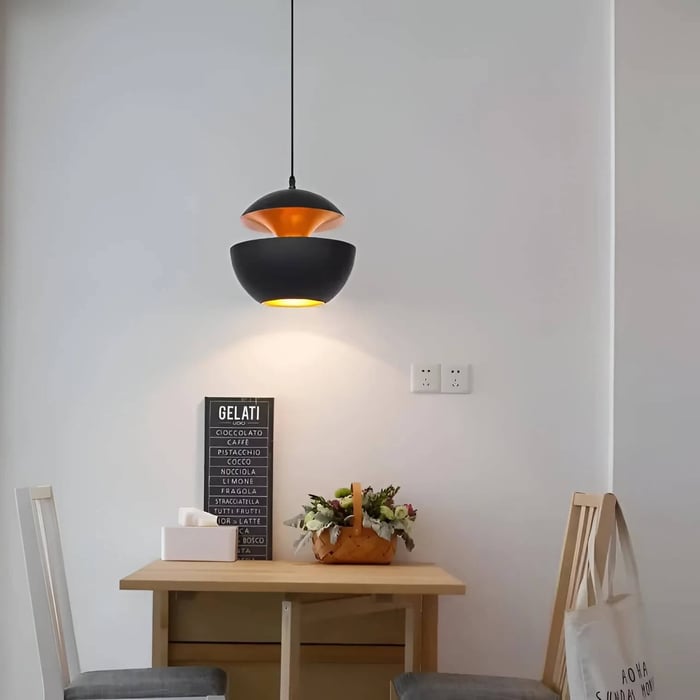
Use a pendant or ceiling-mounted lava light as a dramatic overhead fixture.
Use a floor lamp or table lamp to add accent mood lighting without dominating the room.
Use wall or ceiling-mounted orbs in hallways or transitional spaces for subtle ambient light.
Combine multiple lava lights (for instance in a chandelier formation) to make a strong style statement in dining, living or open-plan spaces.
How to Light Every Room with Designer Fixtures
Each room asks for something slightly different from your designer lighting choices. In sitting rooms and libraries, layers of light might mean a pair of table lamps flanking the sofa, a picture light over art, and a floor lamp near a reading chair. The aim is soft, balanced illumination that invites conversation and relaxation.
For work zones and studios, sleek profiles and clear illumination are key. Here, the lighting you choose for the kitchen and dining areas can overlap with office needs, such as:
Adjustable task lamps on desks or work surfaces
Under-cabinet strips above counters or craft zones
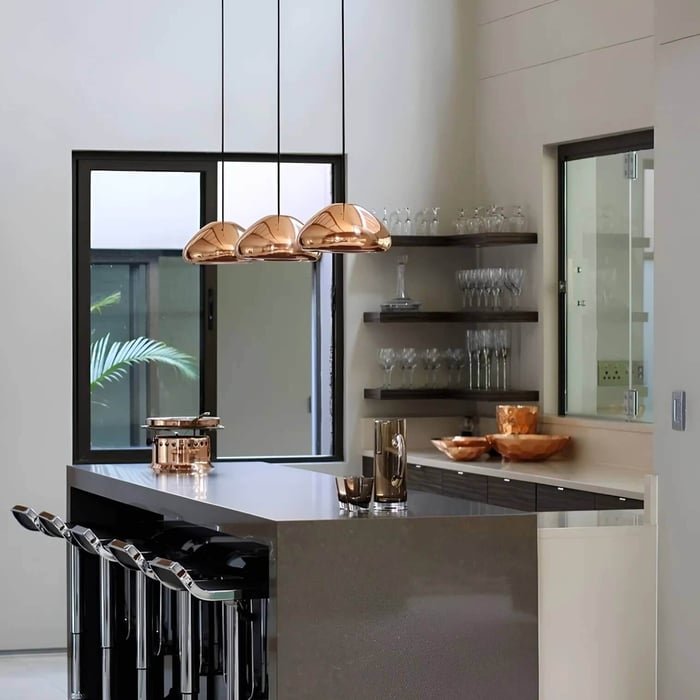
Focused pendants over desks or islands where you read, cook, or create
When your home is compact, minimalist fixtures for small spaces keep things from feeling crowded. Wall-mounted fixtures free up floor area, slim profiles tuck into corners, and light-colored shades distribute brightness gently across the room.
Bedrooms call for flexibility. Overhead fixtures paired with bedside lamps on dimmers give you options for reading, unwinding, or getting ready in the morning. Bedroom designer lighting for cozy ambience might include a warm-glow bulb in a bedside lamp, a soft uplight on a corner plant, and a subtle nightlight along the baseboard so late-night steps feel safe.
Styling and Maintaining Your Designer Lighting
To keep your lighting scheme feeling intentional, think beyond the individual lamp or sconce. When you’re planning designer lighting, look at the entire room: the tone of your wood floors, the hardware on doors and cabinets, and the finishes on frames or tapware. When metals and colors speak to one another, the fixtures feel like part of a larger story.
Polished brass pairs beautifully with warm woods and traditional textiles, while blackened steel and chrome sit naturally alongside concrete, leather, and minimal upholstery. Classic silhouettes in familiar materials help maintain harmony with architectural features such as moldings, beams, and window frames, even when the fixture's function is thoroughly modern.
Regular care keeps your designer lighting looking its best. Dust shades weekly with a soft cloth or vacuum attachment, and wipe metal bases gently with a microfiber cloth. Glass elements can be cleaned with a mild solution of water and a small amount of gentle soap apply it to the cloth, not directly to the fixture. Always switch off and allow bulbs to cool before cleaning.
Periodically check cords, plugs, and sockets for wear, especially on older lamps. Replace bulbs with efficient LEDs where possible to reduce heat and energy use. Over dining tables and kitchen counters, ensure fixtures hang at a comfortable height for conversation and sightlines generally between 70 and 85 centimeters above the surface, depending on ceiling height. In hallways and staircases, wall lights should sit roughly at eye level to avoid glare and shadows.
Conclusion
Designer lighting is one of the most powerful ways to shape the atmosphere and style of a home. With Niori’s collection, you gain access to sculptural forms, warm illumination, and thoughtfully crafted pieces that elevate every room. By understanding how to layer light, choose the right styles, and blend finishes, you can create a home that feels intentional, comforting, and beautifully lit at every hour.
Whether you prefer classic, contemporary, or eclectic design, Niori offers a curated selection of designer lighting that makes it effortless to refine your space. Explore the full collection and start transforming your home through the art of light.
FAQs
What size designer light should I choose for my room?
A good rule is to match scale to the space: larger rooms handle statement pendants or multi-globe chandeliers, while small rooms suit slim, low-profile fixtures. Over tables or islands, choose a fixture about one-half to two-thirds the width of the surface so it feels balanced, not crowded.
What color temperature is best for designer lighting at home?
For most living areas, go warm white (2700–3000K). It flatters finishes like brass and bronze, softens walls, and feels cozy. Use cooler light only in task zones like offices or utility spaces where clarity matters more than mood.
Are integrated LED designer lights better than bulb fixtures?
Integrated LEDs give a cleaner, slimmer look and usually last longer with lower energy use. Bulb fixtures offer more flexibility if you want to swap brightness or color later. If you want a sleek modern style with minimal maintenance, integrated LED is a strong choice.
Can I mix different designer lighting styles in one home?
Yes just keep one anchor style and repeat a unifying element, like finish, shape, or color temperature. For example, pair a classic globe wall light with a modern linear pendant if both share a warm brass tone or soft diffused glass.