Introduction
The living room is where life happens lounging, hosting, reading, streaming, and everything in between. The right living room lights do more than brighten the space: they shape mood, guide movement, and highlight the architectural structure that makes a room feel finished. With cleaner profiles, better LEDs, and easier controls, it’s now simpler to build a plan that looks intentional and works hard. This guide explains how to choose, layer, and care for living room lights so your space stays comfortable, inviting, and well-balanced from morning to midnight.
Classic Lighting Styles and Their Signature Details
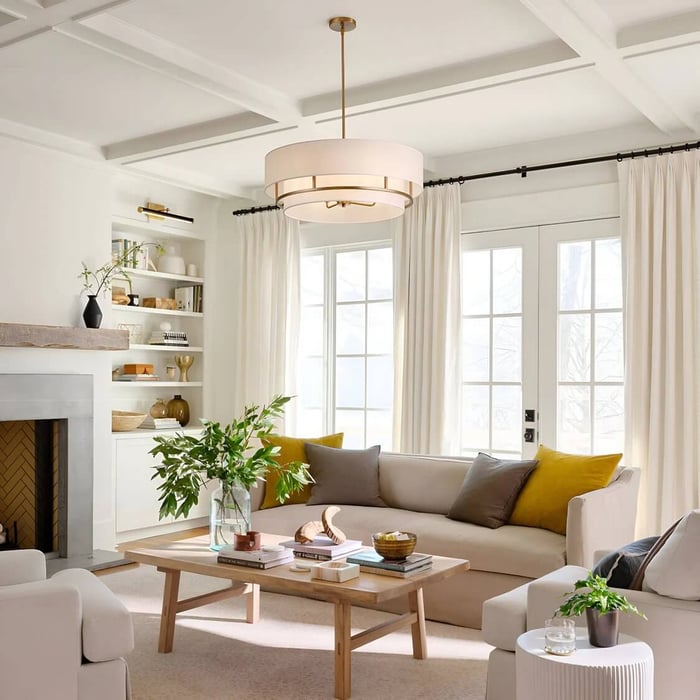
Traditional living room lights are defined by detail and craft. You’ll often see:
Ornate bases with carved, turned, or fluted profiles
Rich finishes such as antique brass, bronze, or soft gold
Tailored shades pleated fabric, bell shapes, or trimmed linen
Balanced silhouettes that feel familiar and enduring
Materials carry much of the character. Brass adds warmth and patina, ceramic provides hand-made texture, and stained glass offers gentle color without overpowering the room. These pieces shine in spaces with molding, vintage furniture, warm woods, or a fireplace focal point. They also support symmetry: matching lamps on end tables or sconces framing a mantel create a calm, classic rhythm. For a traditional scheme, choose living room lights with soft shades that diffuse glare and flatter natural textures.
Sleek and Simple: The Essentials of Modern Lighting
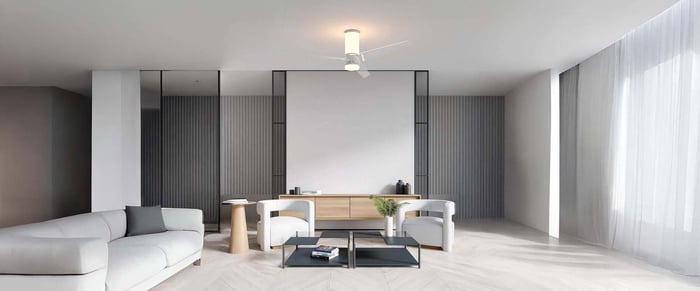
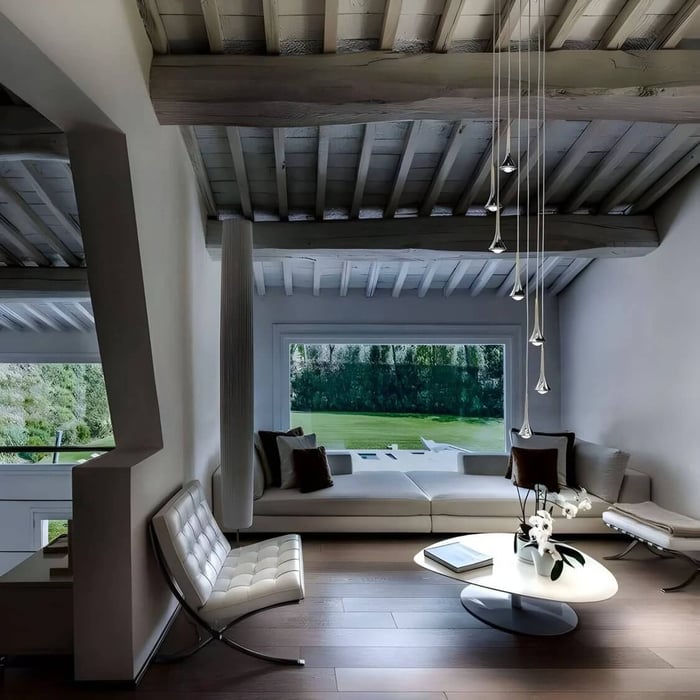
Modern living room lights prioritize geometry, clarity, and efficiency. Expect:
Smooth metals and refined surfaces
Minimal shapes like globes, cylinders, discs, and linear bars
Neutral finishes (matte black, brushed nickel, chrome, soft white)
Integrated LEDs that keep profiles slim
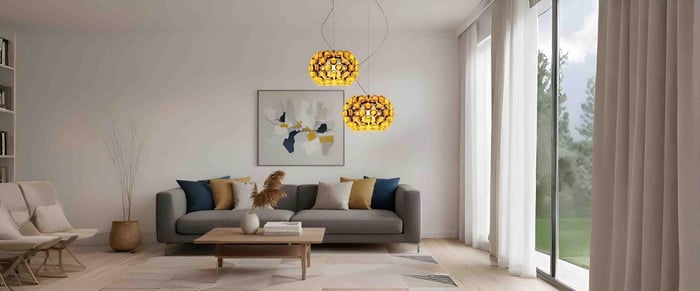
In contemporary interiors, metal, marble, and glass are popular pairings because they feel crisp but not cold. LEDs are no longer hidden; ring pendants, edge-lit panels, and diffused strips make illumination part of the design language. If your room leans minimalist, Scandinavian, Japandi, or loft-style décor, modern fixtures keep sightlines open and the atmosphere uncluttered. Look especially at modern ceiling lights with low-profile canopies if your ceiling height is modest.
A great contemporary reference point is alora mood, whose soft curves and layered materials fit clean spaces without feeling stark.
Transitional Lighting for a Balanced Aesthetic
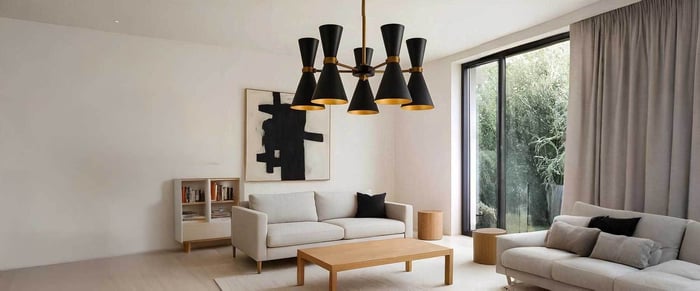
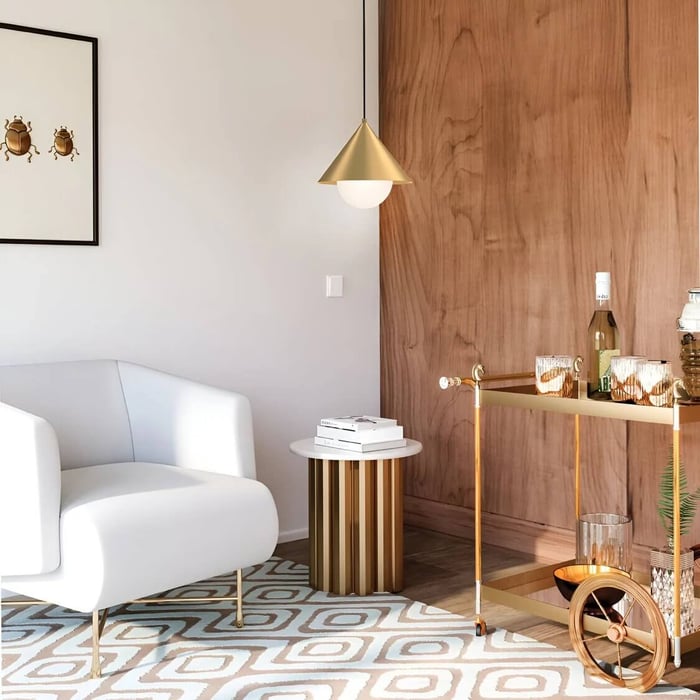
Transitional living room lights bridge heritage warmth and modern restraint. They keep traditional cues like fabric shades or gentle curves while refining the overall shape. Picture a streamlined lantern, a simple stem paired with a textured shade, or a classic silhouette updated in a smoother finish. These living room lights are ideal when you want timeless comfort without heavy ornament.
To style transitional pieces well:
Choose one “classic” element (warm metal, textile shade, subtle detailing).
Pair it with one “modern” element (simpler geometry, thinner profile).
Limit the palette to two main finishes plus one accent.
Let transitional fixtures connect different eras of furniture in the same room.
This is an ideal direction when your space is evolving or when you want fixtures that won’t feel dated as other pieces change.
Practical Lighting Features That Improve Everyday Living
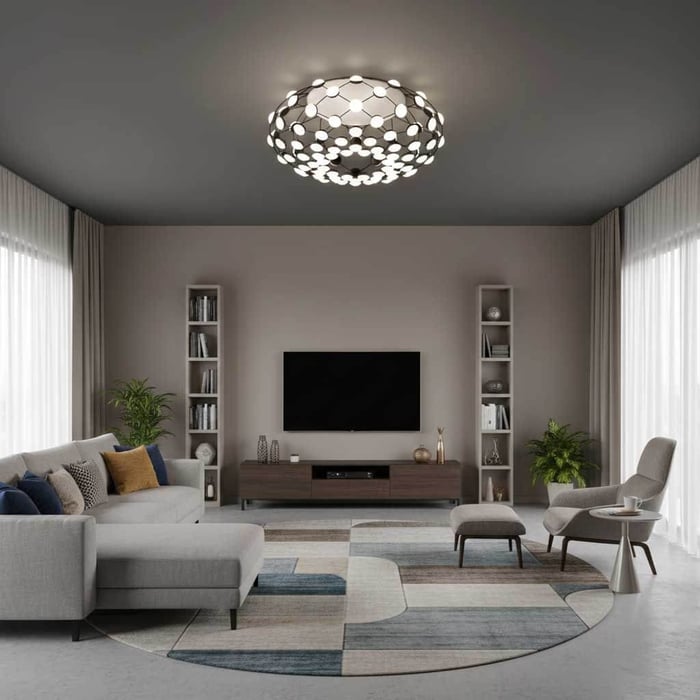
Beautiful living room lights should also support daily life. Three practical checks make the difference:
Dimming: Make it standard. A dimmer lets you shift from bright task lighting to soft ambience without adding more fixtures.
Bulb warmth: For most living rooms, 2700-3000K stays cozy and flattering. Keep the temperature consistent across fixtures to avoid a patchwork feel.
Color quality: Pick high-CRI bulbs (90+). Your upholstery, art, and wood tones will look richer and more accurate.
If you like automation, smart home lighting lets you set scenes (Reading, Movie, Guests) and schedule brightness through the day. Confirm compatibility between bulbs, dimmers, and dimmable LED fixtures before installation.
How to Layer Light for a Well-Balanced Living Room
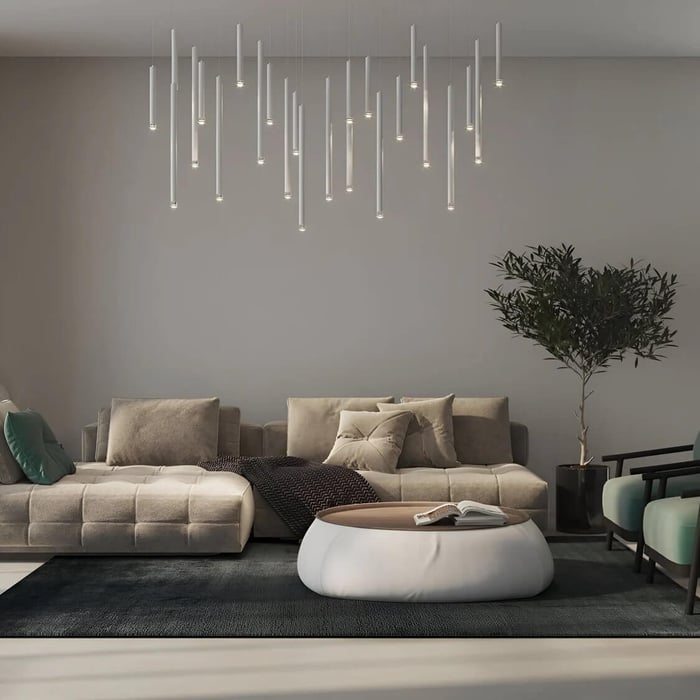
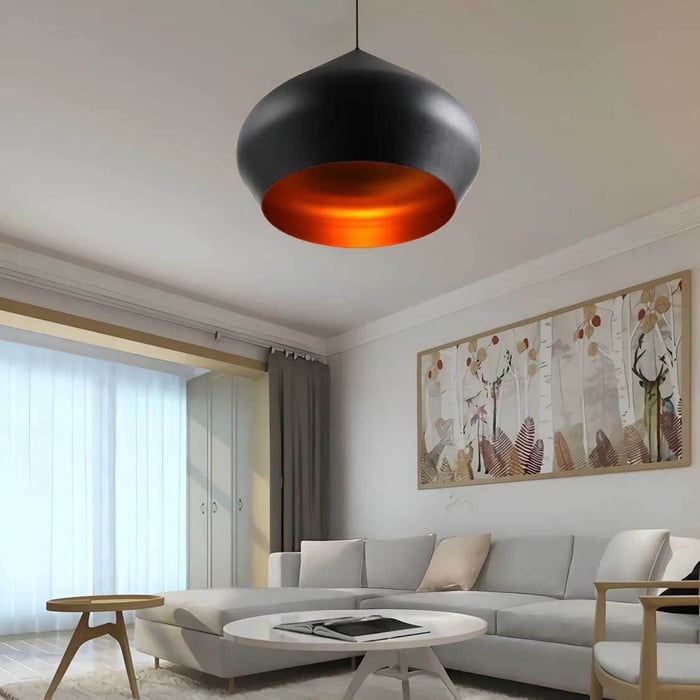
A strong layered lighting layout uses three levels of light so the room feels even and adaptable, and it helps your living room lights work together instead of competing:
Ambient lighting design: for overall brightness (pendants, flush mounts, or a chandelier).
Task lighting: where you do specific activities (reading lamps, swing-arm sconces).
Accent lighting: to add depth and focus (picture lights, shelf LEDs, or uplights).
Place ambient fixtures near the center, then add task lights beside seating and accent lights around art or architectural features. This approach is the backbone of most successful living room lighting ideas and prevents the “single fixture does everything” problem.
Smart Ways to Mix Lighting Styles Without Clashing
A layered room rarely uses only one style. Mixing living room lights adds depth when there’s a clear link between pieces. Use any of these connectors:
Finish: Different shapes, same metal tone.
Shade language: A modern base with a linen drum shade echoes traditional softness.
Shape echo: Repeat a curve or globe in a smaller fixture.
Zoning: Go modern overhead, classic at seating level or reverse.
Start with a transitional anchor if you’re unsure, then introduce contrast in controlled doses. The goal is a collected feel, not a catalog match.
Finding the Lighting Style That Fits Your Home Best
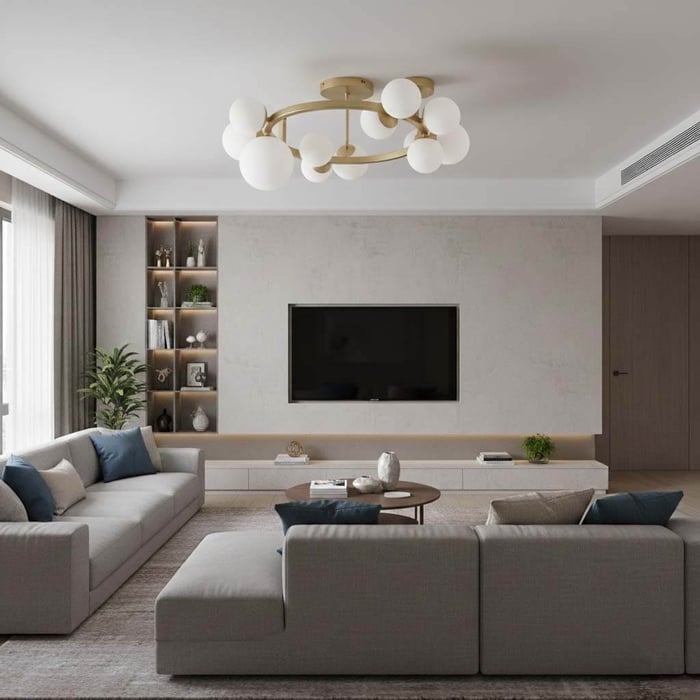
Style choice gets easier when you think by room function:
Traditional fixtures feel right in living rooms, libraries, and classic bedrooms where ornament complements the architecture.
Modern fixtures excel in offices, studios, and pared-back spaces that benefit from visual calm.
Transitional fixtures suit open layouts because they can flow from one zone to another without clashing.
When planning the wider home, echo your approach in nearby spaces. If your kitchen needs task brightness, align its finish tone using kitchen lights, then soften the living area with warmer layers.
Key Rules for Lighting Finishes, Scale, and Placement
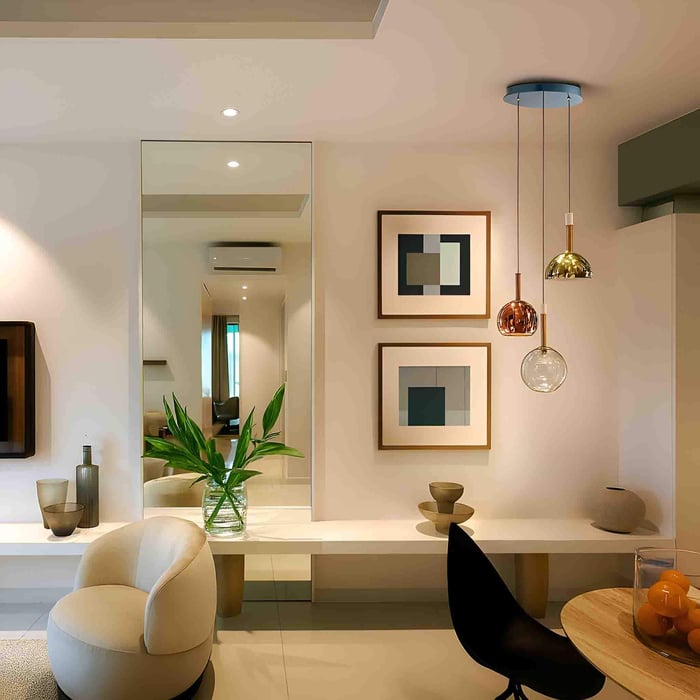
Great lighting is as much about proportion as style. Use these quick rules for living room lights:
Finish matching
Warm rooms (walnut, oak, earthy textiles): aged brass, bronze, amber glass, linen.
Cool rooms (black steel, concrete, monochrome): matte black, nickel, clear glass.
Mixed rooms: keep one dominant finish, then add a secondary finish in smaller doses.
Scale
Large sofas need presence: oversized pendants, tall lamps, or wide-arc floor lights.
Small rooms benefit from slim profiles or wall sconces for living spaces to free surfaces.
Placement
Keep table lamp shades roughly at eye level when seated.
Aim for even light, not a single hot spot.
Use sconces or uplights to reduce shadowy corners.
When shopping for living room lights, check both the fixture size and the shade diameter against your seating height to avoid a top-heavy look.
If you want heritage detail that still reads fresh, feiss lighting is a dependable option for layered finishes and classic proportions.
Living Room Lighting Ideas to Inspire Your Design
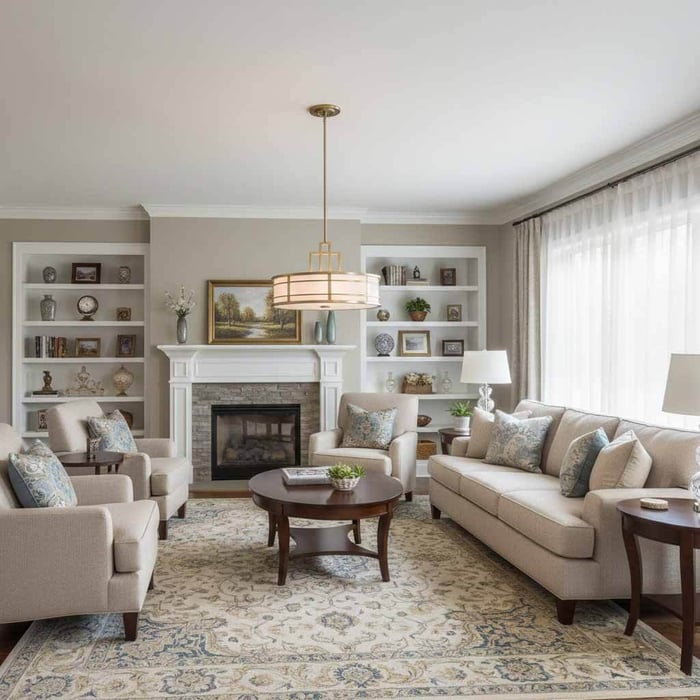
Use these design-tested options to build a balanced scheme:
Statement ceiling fixture- to define the room’s center.
Pair of table lamps- for symmetry and practical glow.
Reading-corner floor lamp- with a directed shade.
Picture or shelf lighting- to highlight art and books.
Hidden LED strips- behind consoles or in coves.
Mixed-material lamp bases- to add texture fast.
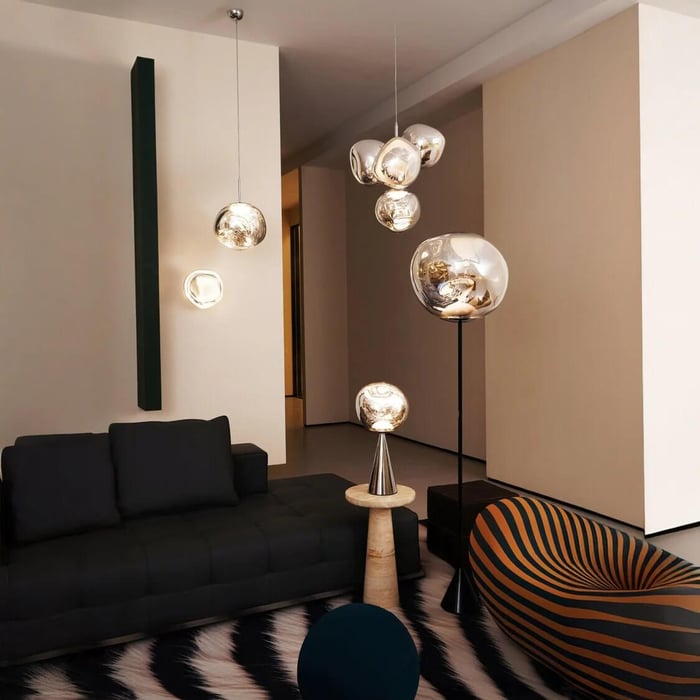
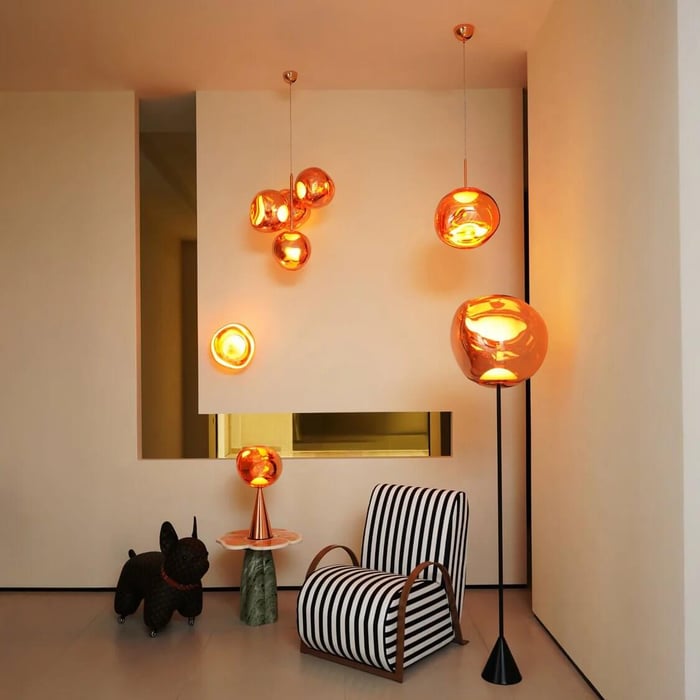
Diffused glass globes- for soft, even light.
Portable rechargeable lamps- for flexible seating.
Dimmer-ready everythin- for easy mood shifts.
One sculptural conversation piece- that doubles as décor.
These ideas work because they balance function with atmosphere, and they’re easy to adapt to your room size and layout.
How to Maintain and Care for Your Lighting Fixtures
To keep living room lights looking sharp and working safely:
Dust shades weekly with a microfiber cloth or soft brush.
Vacuum fabric shades carefully using a brush attachment.
For glass, spray cleaner on the cloth never directly on the fixture.
Wipe metal bases dry before using a damp cloth.
Avoid abrasive products on plated finishes.
Stay within the fixture’s wattage rating to prevent overheating.
Replace flickering bulbs early to protect sockets and dimmers.
Integrated LEDs can last for years, but heat shortens lifespan, so make sure fixtures have airflow and aren’t boxed into tight cavities.
Conclusion
The right living room lighting plan brings everything in this guide together: traditional fixtures add warmth and heritage detail, modern pieces keep the look clean and efficient, and transitional options bridge both worlds for easy, long-term styling. When you layer ambient, task, and accent light, match bulb warmth across fixtures, and choose finishes and scale that suit your layout, your lighting feels intentional not patched in. With these foundations, your space stays comfortable, flexible, and visually balanced from day to night.
Ready to put it into action? Explore curated picks at Niori and build your ideal setup one layer at a time. Then keep your home cohesive by extending the same approach into dining room lights and bedroom lights, so every room flows with the same warmth, clarity, and polish.