
Table of Contents
- Introduction
- Quick Take: What Makes Them “Traditional”
- Traditional Meets Today: Contemporary Influences
- The Blend: How to Use Traditional Floor Lamps in Modern Spaces
- Functional Guide: Dimming, Bulbs & Controls
- Mixing Lighting Well (Across Rooms)
- Placement by Room (Fast Rules)
- Design Consistency & Finishes
- 10 Curated Ideas (Listicle Style)
- Maintenance & Care (Keep It Timeless)
- Placement & Layout Principles (At a Glance)
- Conclusion
- FAQs
Introduction
Traditional floor lamps do more than glow; they sketch room lines, anchor seating zones, and set a mood with effortless control. Clean lines, discreet tech, and better bulbs make it simple to integrate traditional floor lamps into contemporary spaces. This guide distills placement rules, styling ideas, and care tips so your lighting plan feels intentional and easy to maintain.
Quick Take: What Makes Them “Traditional”
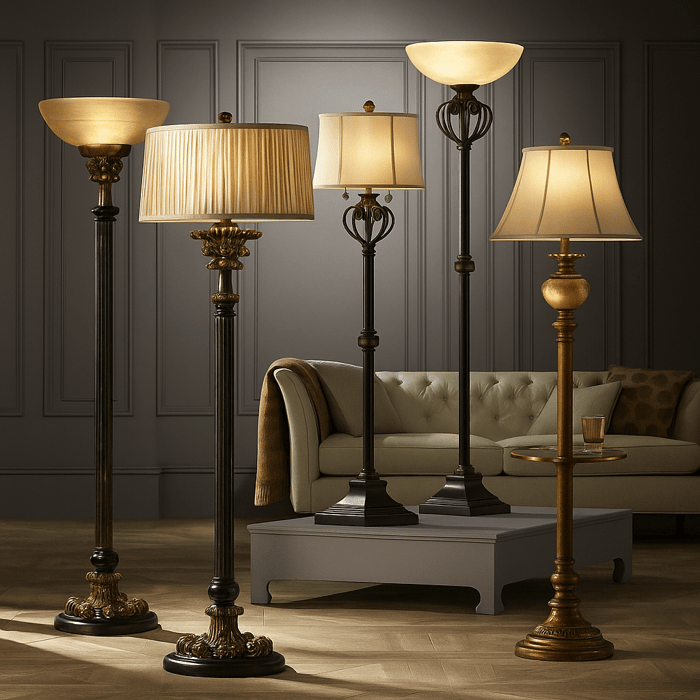
Silhouettes: sculpted bases, turned columns, elegant tripods.
Shades: drum or empire; taped or pleated trims.
Materials: brass (lacquered/unlacquered), hand-thrown ceramic, stained glass, carved wood, linen/silk.
Why it works: craft cues patina, cast feet, weighty finials signal permanence; shade opacity steers where light falls.
Pro tip (reading): opaque or lined shades push light down and out; open-weave linen creates an even, atmospheric glow.
Traditional Meets Today: Contemporary Influences
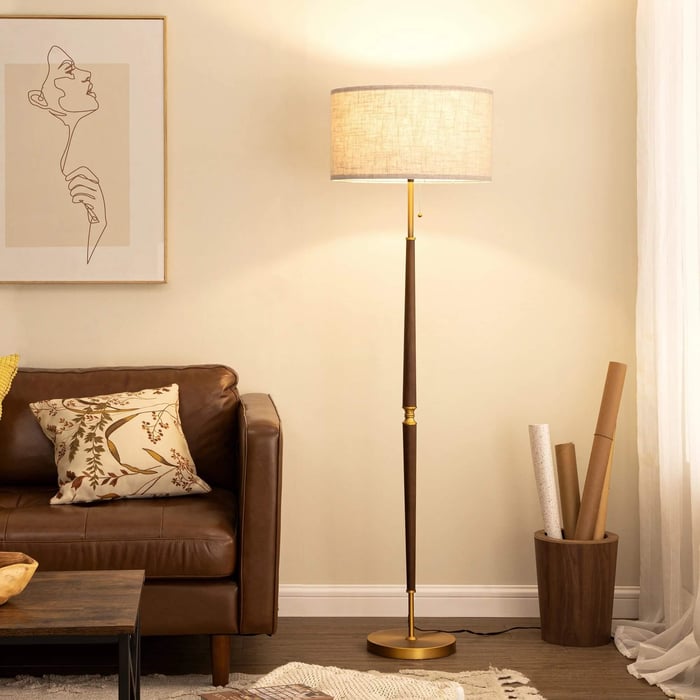
Today’s floor lamps keep familiar profiles but streamline the details: slimmer stems, cleaner transitions, quieter hardware. Expect warm brass, blackened steel, and bronze; marble-disc bases for stability; and glass accents for visual lightness. Discreet LED integration (often dim-to-warm) preserves a tidy silhouette, with cords routed through base channels for a clean profile.
Design details to look for
Low-profile in-line or rotary dimmers at hand height
Dim-to-warm LEDs for evening comfort; high-CRI for accurate color
Replaceable modules or standard sockets for longevity
Weighted bases with low center of gravity (kid/pet friendly)
The Blend: How to Use Traditional Floor Lamps in Modern Spaces
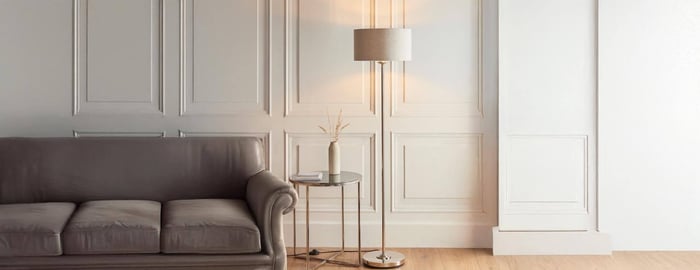
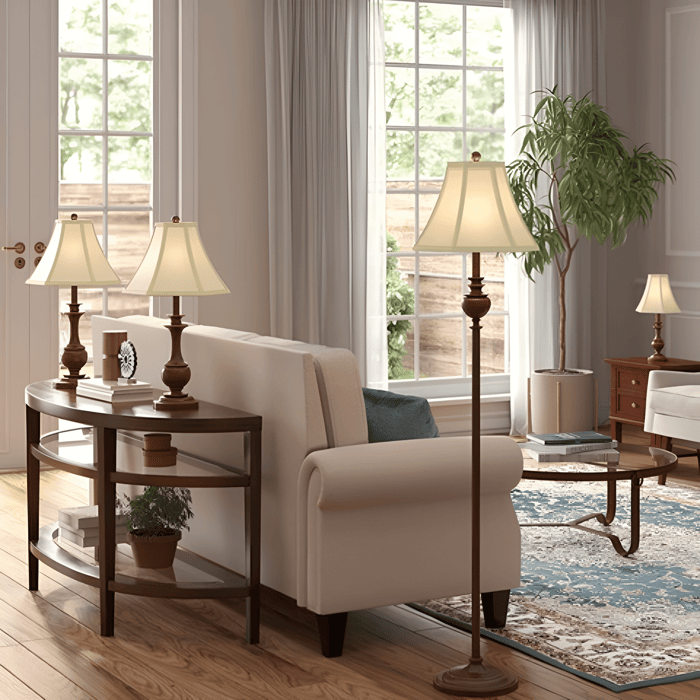
Think of Traditional Floor Lamps as a hinge between classic and contemporary. Paired with modern floor lamps, they layer warmth and clean lines warming stark spaces and calming ornate rooms while keeping the overall composition coherent.
Styling moves
Echo, don’t copy: Repeat the lamp’s finish once (frame, hardware) to knit the story together.
Shift scale: Taller lamps elongate low sofas or high ceilings; slim tripods free floor space.
Balance temperature: Warm metals (brass) + cool stones (marble) keep compositions dynamic.
Use one surprise: Ribbed glass, a stitched pull, or parchment trim adds character without clutter.
Sightlines: Choose a shade diameter that clears nearby art and avoids TV/screen glare.
Try this: A patinated-brass column beside a cloud-sofa feels balanced when you repeat brass on a tray or curtain rings.
Functional Guide: Dimming, Bulbs & Controls
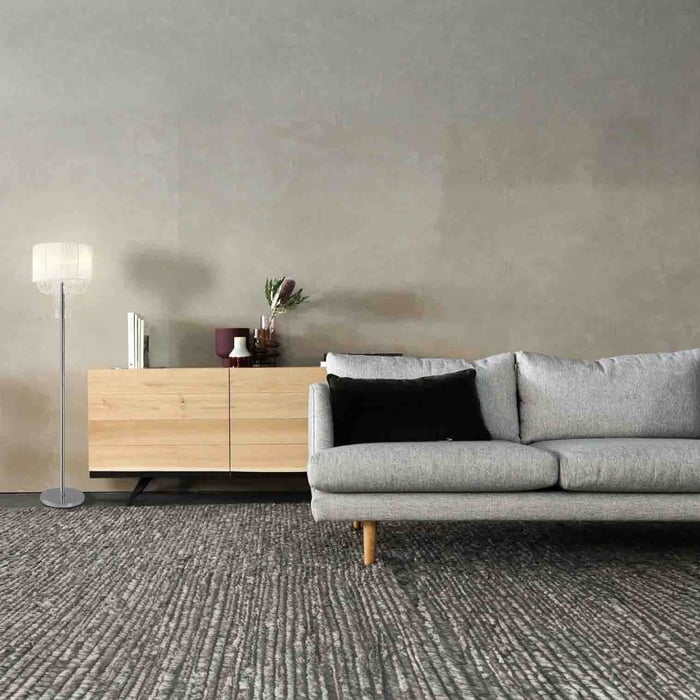
Get the most from traditional floor lamps with a thoughtful control scheme that adapts seamlessly from day to night.
Dimming: Look for smooth 1-100% control; dim-to-warm shifts ~3000K → ~2200K as light lowers.
Bulb strategy: High-CRI (90+) LEDs render wood and textiles accurately; frosted bulbs prevent hotspots in light shades.
Controls: Inline or rotary dimmers are simple; smart plugs/bulbs add scenes and voice control with minimal visual noise.
Serviceability: Prefer accessible sockets or replaceable LED modules to extend lifespan and reduce e-waste.
Safety: Confirm max wattage at the socket; choose weighted, tip-resistant bases in high-traffic homes.
Mixing Lighting Well (Across Rooms)
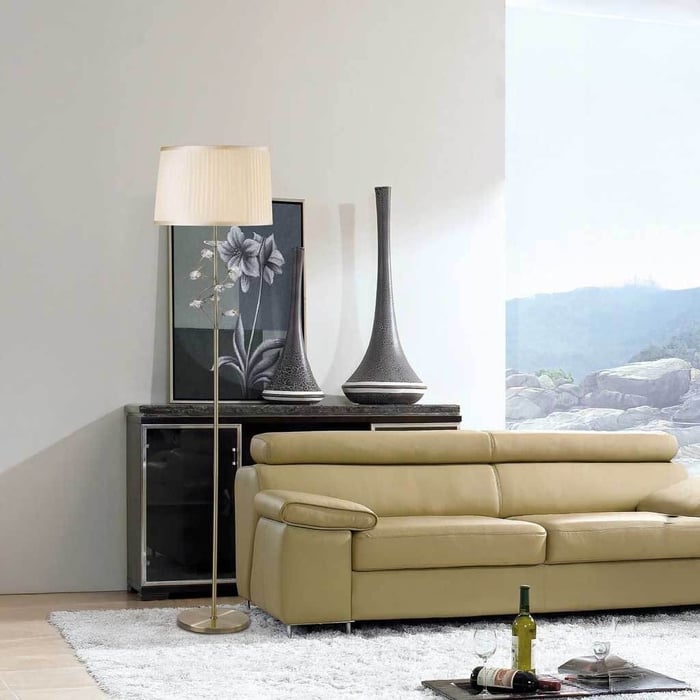
Blending traditional floor lamps with other fixtures isn’t a 50/50 split—it’s a deliberate, room-by-room choice that ties materials, scale, and texture together, and coordinates seamlessly with your living room lights for a cohesive whole-home plan.
Pair opposites smartly: A classic brass base + linen drum plays nicely with a minimalist matte-black arc if both share linen texture.
Vary finishes, repeat tones: If bronze meets a blackened table, echo that depth in frames or hardware.
Layer for depth: Two traditional floor lamps (different angles) enrich the scene and photograph beautifully.
Shade swaps: Pleated silk softens a sleek stem; a crisp paper drum calms a carved base.
Whole-home cohesion: Keep metal hue families consistent; vary sheen (polished vs. patinated) for nuance.
Placement by Room (Fast Rules)
Living Room
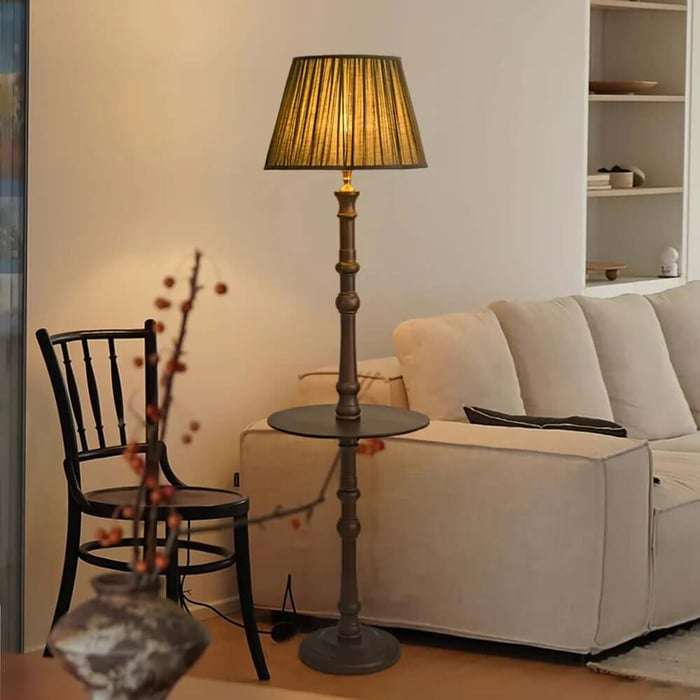
Use traditional floor lamps to anchor seating groups and shape sightlines without crowding the floor plan.
Place just behind/beside seating; bottom of shade ≈ seated eye level.
Keep bases weighted near traffic paths.
Library/Study
Swing-arm or pharmacy heads aim the light at the page without glare.
Bedroom
Switches within easy reach from the mattress; slender tripods free floor area when nightstands are tight.
Entryway
Tall, narrow profiles frame consoles without blocking art.
Open-Plan
Repeat one silhouette to unify zones; vary shade material/opacity to tune each area’s mood.
Design Consistency & Finishes
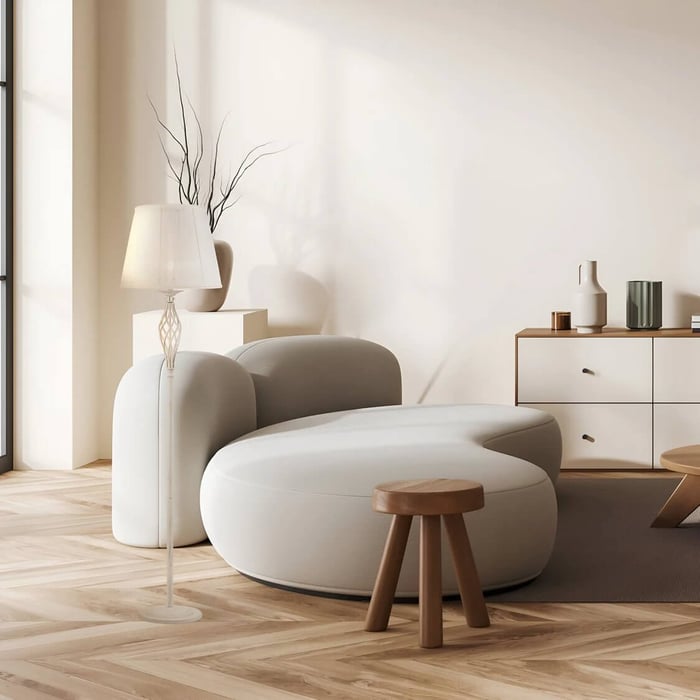
Tie the look together by matching finishes on traditional table lamps to fixed elements hardware, frames, and wood tones so the palette reads as intentional and calm.
If you have oil-rubbed bronze hardware: Echo it in lamp bases or finials.
If you have oak seating, consider wood or rattan accents on the lamp.
Shade as equalizer: Ivory linen is the universal adapter; parchment adds graphic punch; pleats introduce subtle pattern.
Proportion: Shade diameter ≈ , the lamp’s widest visual element; typical overall height: 58-65 in near seating.
Finish Guide
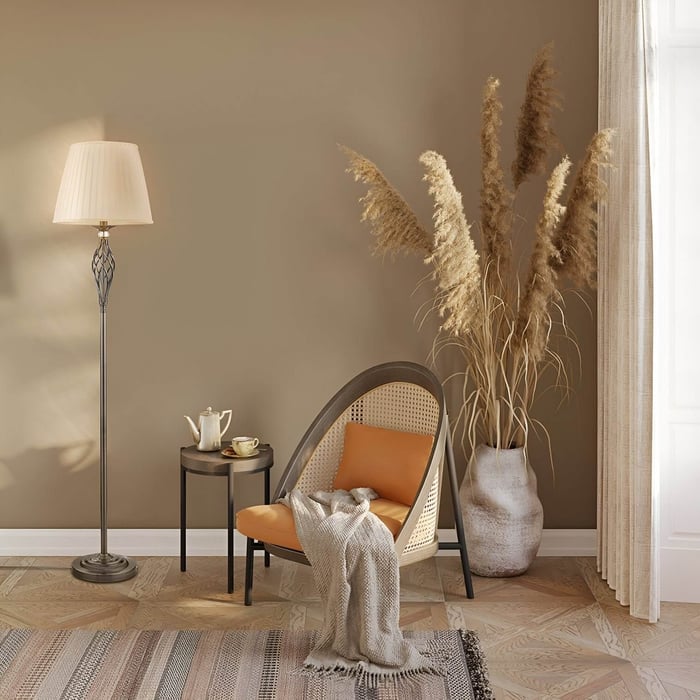
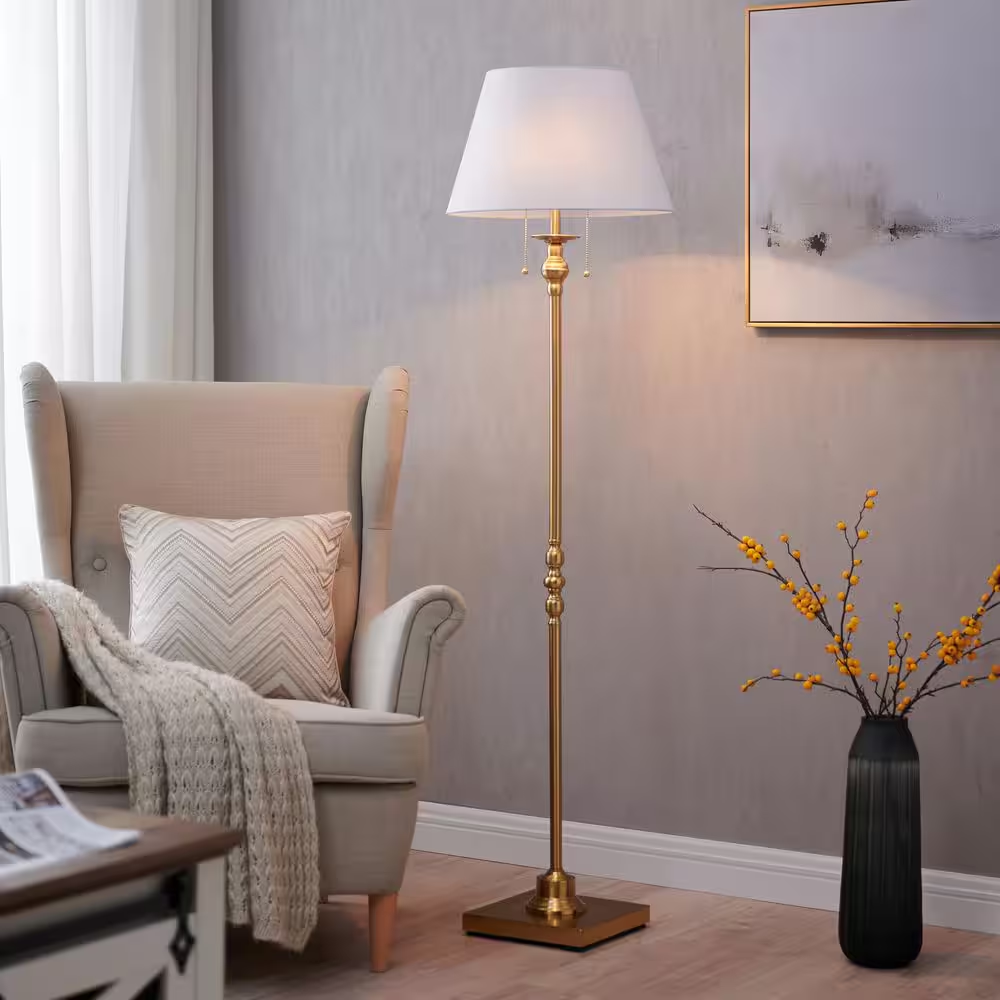
Brass (polished/unlacquered): Warms traditional millwork; patinas gracefully.
Bronze/blackened steel: Quiet contrast for contemporary shells.
Ceramic/stone: Color + heft = stability.
Glass accents: Lightness and sparkle in tighter rooms.
10 Curated Ideas (Listicle Style)
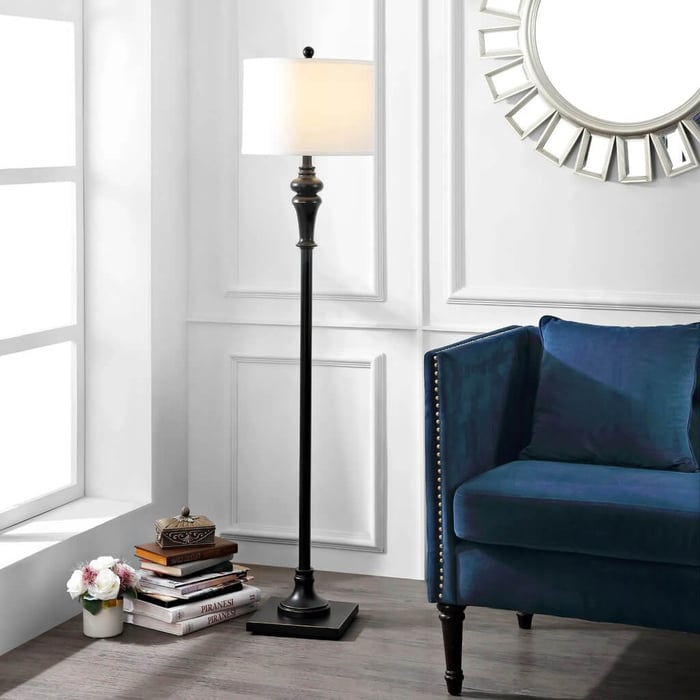
Patinated-Brass Reader - Slender column + opaque empire shade concentrates light on pages (no TV glare).
Ceramic Statement - Hand-thrown base (forest/oxblood) anchors pale rooms; pair with warm-brass finial.
Stained-Glass Glow - Tiffany-style shade throws patterned pools; echo colors in nearby art.
Marble-Disc Minimal - Thin stem + stone base threads tradition through modern geometry.
Linen-Pleat Classic - Soft pleats animate neutrals; parchment trim outlines the silhouette.
Twin-Lamp Symmetry - Flank a console or fireplace for ceremony and balance.
Mixed-Metal Moment - Bronze stem + aged-brass cup gives layered patina, not chaos.
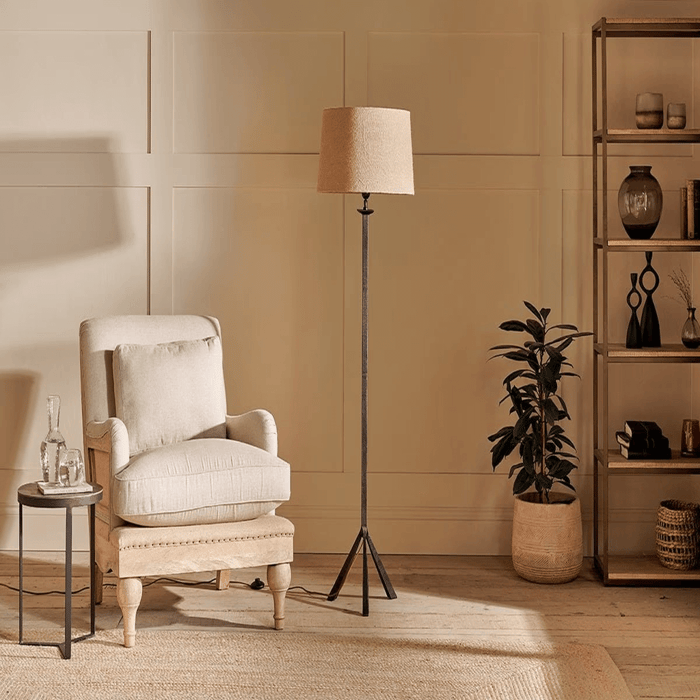
Textured Tripod - Wood/cane details warm metal-heavy rooms and love woven rugs.
Adjustable Arm - Pharmacy or swing-arm brings book-friendly light to compact nooks.
Shade Swap - Refresh a vintage base with a crisp drum or oval to recalibrate style.
Maintenance & Care (Keep It Timeless)
Shades
Dust weekly with a microfiber wand; vacuum with a brush attachment for fabric.
Spot-clean linen with mild soap + water, dab (don’t rub).
Glass: 1:1 vinegar solution brings back clarity.
Bases & Finishes
Unlacquered brass will darken-polish occasionally, or embrace patina.
Painted/powder-coated metal: damp cloth only; avoid abrasives.
Check felt pads to protect floors; route cords straight (not coiled) to prevent heat buildup.
Bulbs & Matching
Replace LEDs in pairs across a room for consistent color/brightness.
Safety Checklist
UL/CE markings; stay within max wattage; position cords out of walk paths; prioritize weighted, tip-resistant bases with kids/pets.
Placement & Layout Principles (At a Glance)
Think in layers: Overhead + floor + task avoids flat, “stagey” light.
Cross-lighting: Aim lamps ~45° to the seating to model faces softly.
Avoid backlight only: It silhouettes readers.
In narrow rooms: Tuck lamps just outside traffic lanes.
In large rooms: Pull lamps closer to furniture-don’t “wall-hug.”
Conclusion
FAQs
What defines a Traditional Floor Lamp?
Heritage shapes (turned columns, tripod legs), linen/silk shades, and tactile materials like brass, ceramic, or carved wood.
Can traditional lamps work in modern rooms?
Yes repeat one element (finish or shade texture) and keep lines clean for balance.
What bulb type should I use?
High-CRI (90+) dim-to-warm LEDs; use frosted bulbs in light shades to prevent glare.
What height works best near seating?
Set the shade bottom at seated eye level; overall height typically 58-65 in.
How do I prevent tipping in busy areas?
Pick weighted, low-center-of-gravity bases and route cords along furniture edges.