
Table of Contents
- Introduction
- When Should You Use Pendant Lights In a Kitchen?
- Why Does The Hanging Height Matter So Much?
- How Low Should Pendant Lights Hang Over a Kitchen Island?
- How Do You Plan Pendant Lights For Over a Kitchen Island?
- What’s The Most Reliable Way To Choose The Right Height?
- How Can You Make The Light Feel Soft Rather Than Harsh?
- How Do Pendant Lights Work With Other Kitchen Lighting?
- Can Pendant Lights Make a Kitchen Feel Bigger?
- What Are The Most Common Mistakes People Make?
- Quick Summary
- Conclusion
- FAQs
Introduction
Pendant Lights can turn a kitchen from purely practical to genuinely welcoming, because they bring light down to where people actually live and work. They add focused task light over key zones like an island, while also creating a softer, more inviting mood for everyday living. Used well, they help define an open-plan space without adding visual clutter. They’re one of the quickest ways to make a kitchen feel intentional rather than purely functional.
As a lighting specialist at Niori, I see the same issue time and again: homeowners fall in love with a fitting, then hang it too high to be useful or too low to be comfortable. When the height is right, the light lands where you need it, glare is reduced, and the room feels calmer. It also keeps sightlines open so the island remains a comfortable place to prep, eat, and chat. Get the details right, and the result is practical lighting that still feels warm and stylish.
When Should You Use Pendant Lights In a Kitchen?
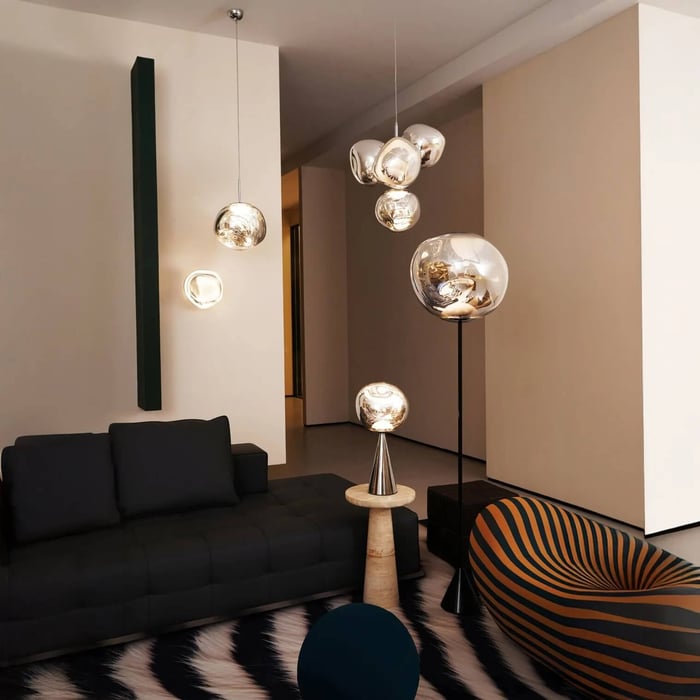
You should use pendant lights when you want focused light over a specific zone, such as a kitchen island, peninsula, breakfast bar, or sink run. They’re not just decorative; they help define areas in open-plan spaces, support prep work, and make the room feel more inviting in the evening.
They work particularly well when:
Your island is used for multiple jobs (chopping, serving, chatting, working).
You want to “zone” an open-plan layout without adding walls.
Downlights alone feel harsh and flatten the room.
You have higher ceilings and need light at human level.
Real-world example: in a busy family kitchen, a pair or trio of pendant lights over the island can make homework and meal prep easier, while still looking good when the kitchen is tidied up.
Why Does The Hanging Height Matter So Much?
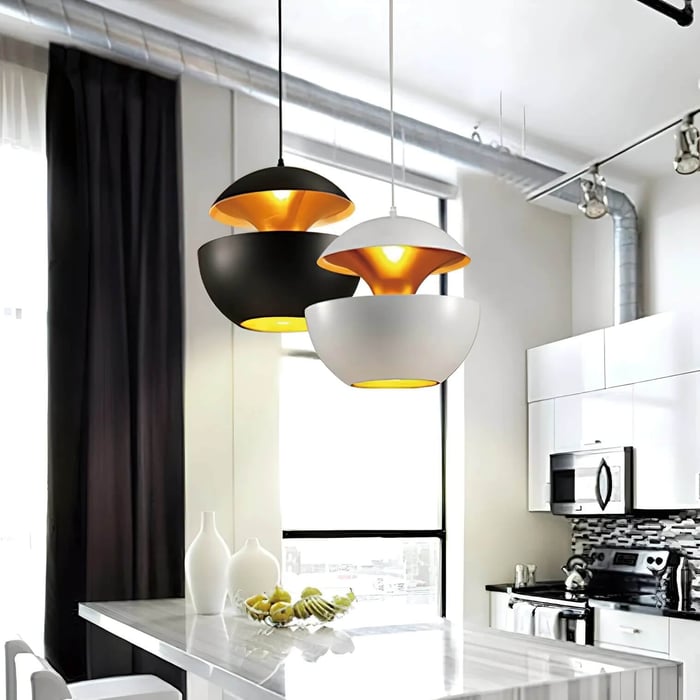
The hanging height matters because pendant lights directly control comfort, glare, shadows, and how useful the light is on your worktop. If the fitting is too high, the beam spreads too widely and the surface can still feel dim. If it’s too low, Pendant Lights block sightlines across the room and begin to feel intrusive rather than helpful.
Good height gets you:
Clear views across the island and into adjoining spaces
Less glare when seated
More usable task light on the worktop
A calmer, more balanced look
Poor height leads to:
Bulbs sitting in your eyeline
Shadows where you prep food
A kitchen that feels smaller or cluttered
Light that looks pretty but doesn’t help you work
How Low Should Pendant Lights Hang Over a Kitchen Island?
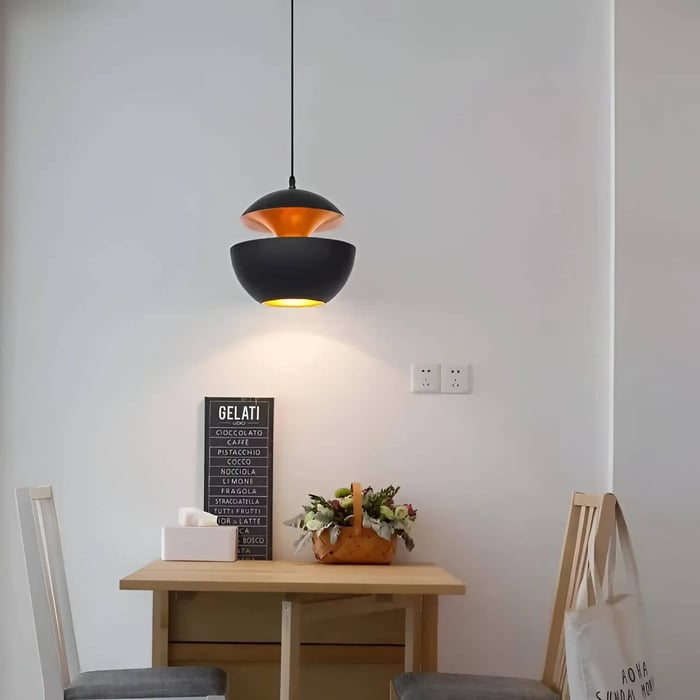
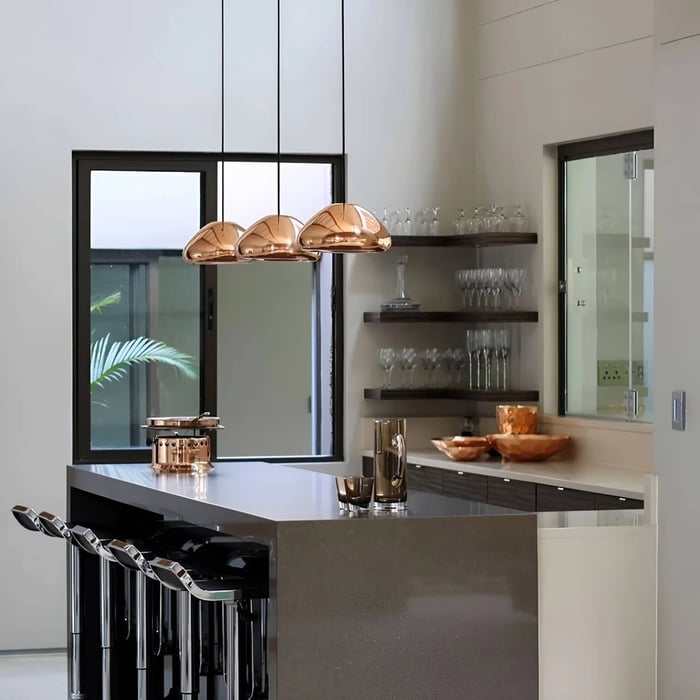
85-95cm if you’re tall, your shades are large, or you want clearer sightlines.
65-75cm if you’re aiming for a cosier feel and the shade diffuses light well.
Keep every fitting level and consistent, measured from the worktop, not the ceiling.
A quick comfort test: sit on your usual stool. If you can see the bright part of the bulb directly, raise the fitting or choose a shade that shields the lamp.

How Do You Plan Pendant Lights For Over a Kitchen Island?
You plan pendant lights by matching the number and size of fittings to the island length, then spacing them evenly for balanced light and a tidy look. This is where beginners often go wrong: either too few pendants that leave dark patches, or too many that make the island feel busy.
Beginner-friendly spacing guidelines:
Position each pendant so its centre is about 25-35cm in from the island edge.
Leave 50-70cm between pendant centres for small to medium shades.
Leave 70-90cm between centres for larger statement shades.
A helpful way to think about it:
More smaller fittings more even task light across the island.
Fewer larger fittings a stronger visual statement.
Example layouts:
Island 120-160cm: 2 small-to-medium fittings
Island 180-240cm: 2 medium or 3 smaller fittings
Island 300cm+: 3 larger fittings, or a linear multi-drop fitting
If your island includes a hob, keep cleaning and heat in mind. Simple shapes and wipeable finishes usually perform best.
What’s The Most Reliable Way To Choose The Right Height?
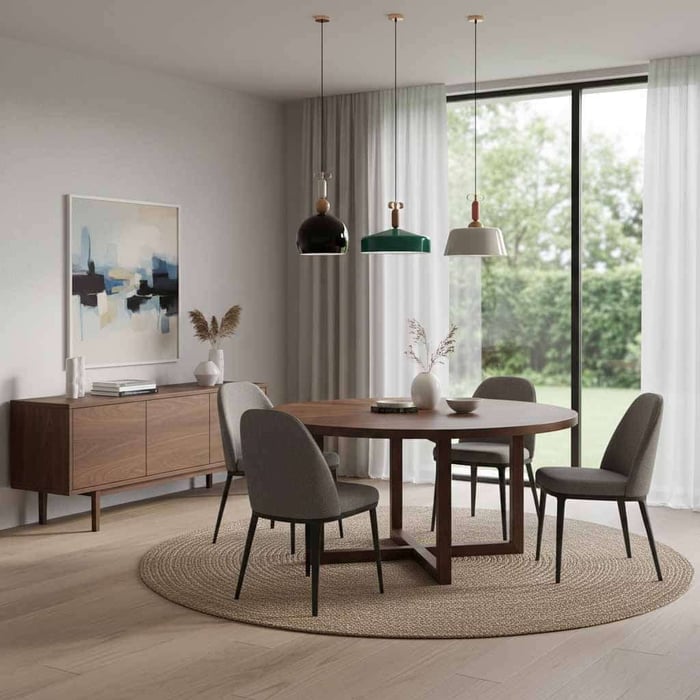
The most reliable way is to start with a measured drop from the worktop, then test sightlines from where you actually stand and sit. A plan that looks good on paper can feel wrong the moment you pull up a stool.
Step-by-step: set the height with confidence
Measure your worktop height (don’t assume it’s standard).
Mark a starting point: 80cm above the worktop to the bottom of the shade.
Mock it up with masking tape, string, or a cardboard line at the intended bottom edge.
Stand at the sink and hob area and check you can see across the island comfortably.
Sit at the island seating and check you’re not looking straight at the bulb.
Walk around the island corners and confirm head clearance feels safe.
Decide if the pendant should light the prep zone, the seating zone, or both.
Only then choose the bulb brightness and beam, so the whole setup feels comfortable.
If you’re already using under-cabinet task lighting, you can often hang slightly higher because the island isn’t carrying all the work on its own.
How Can You Make The Light Feel Soft Rather Than Harsh?
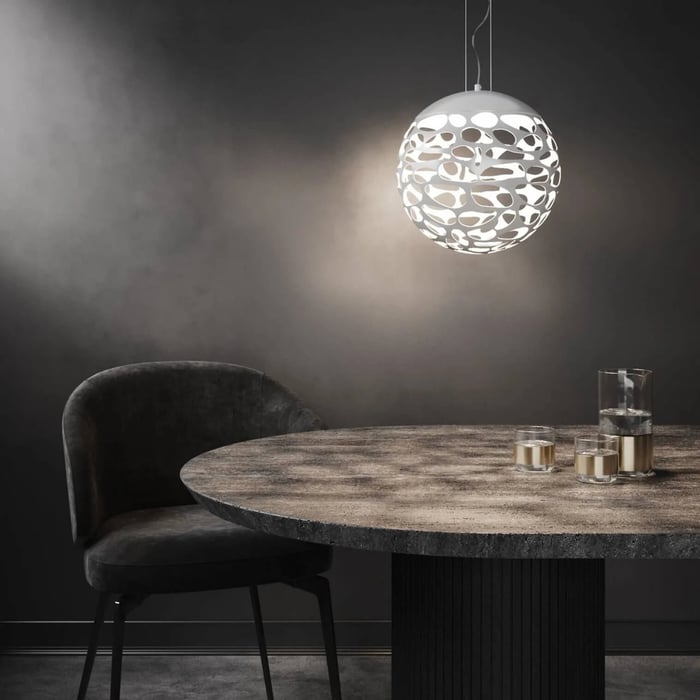
To get a softer result, choose shades and bulbs that diffuse light and reduce glare. The nicest kitchens don’t just look bright; they feel easy on the eyes, especially at night.
Styles that usually give softer light:
Opal or frosted glass for an even glow
Diffusers inside the shade to smooth hotspots
Shaded designs that hide the lamp from direct view
Warm white LEDs for a relaxed evening feel
Styles that often create glare (unless carefully handled):
Clear glass with high-lumen bulbs
Exposed filament lamps at eye level
Very narrow beams that produce hard pools of light
If you love the look of clear glass, it can still work just keep the pendant higher within the recommended range and use a lamp designed to reduce dazzle.
How Do Pendant Lights Work With Other Kitchen Lighting?
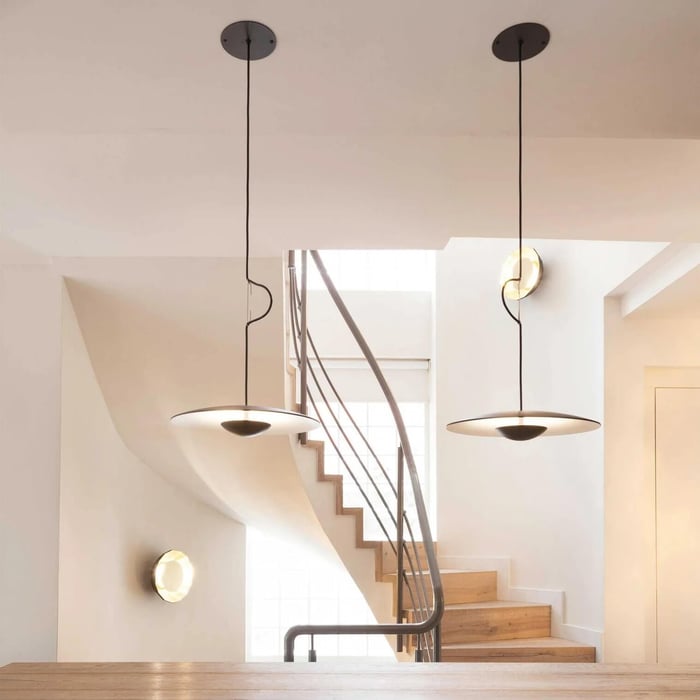
Pendant Lights work best as part of a layered scheme, not as the only source of light. The goal is to cover three needs: background illumination, task lighting, and mood.
A balanced kitchen lighting mix often includes:
Ceiling lights for general brightness
Under-cabinet lighting for clean task light on worktops
Pendant Lights over islands or bars for human-level light and style
This is also why dimmers matter. You want the freedom to go bright for cooking, then soften everything when the kitchen becomes a social space.
Can Pendant Lights Make a Kitchen Feel Bigger?
Yes pendant lights can make a kitchen feel bigger when they’re scaled correctly and hung at a height that keeps sightlines open. They can also make a kitchen feel smaller if the shades are oversized, too numerous, or hung too low.
If your space is compact or open-plan:
Choose cleaner silhouettes rather than fussy shapes
Keep the drop neat and consistent
Avoid shades that visually “block” the room from key angles
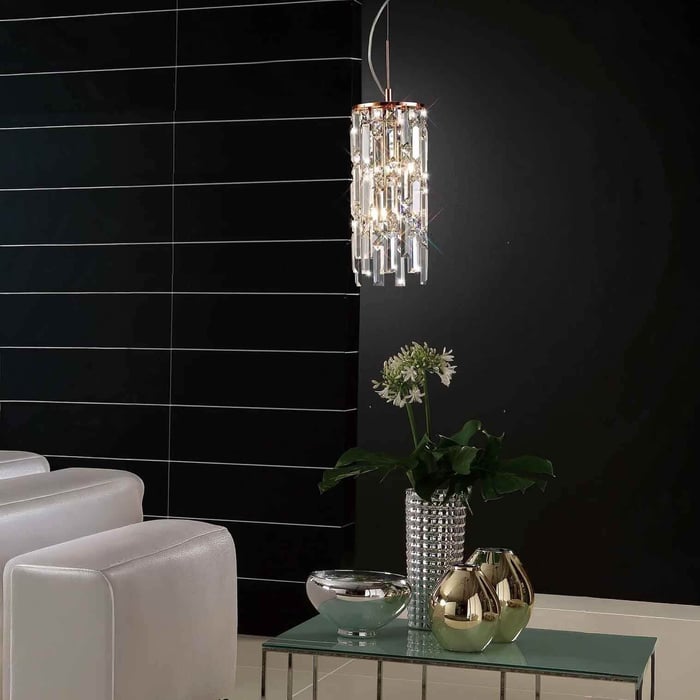
In homes where the kitchen flows into a dining zone, coordinating pendants can help the space feel intentional. Some people prefer a different centrepiece over the dining table, such as chandeliers, but it’s worth keeping finishes and light colour consistent so the rooms feel connected.
What Are The Most Common Mistakes People Make?
The most common mistakes are hanging them too low, choosing the wrong scale, and forgetting glare control. These are easy to avoid once you know what “good” looks and feels like.
Common pitfalls:
Hanging too low so they block views and feel in the way
Hanging too high so they look nice but don’t light the surface
Using bulbs that cause glare when seated
Poor spacing that creates bright spots and dim patches
Forgetting the island’s real use (prep, seating, serving, all of the above)
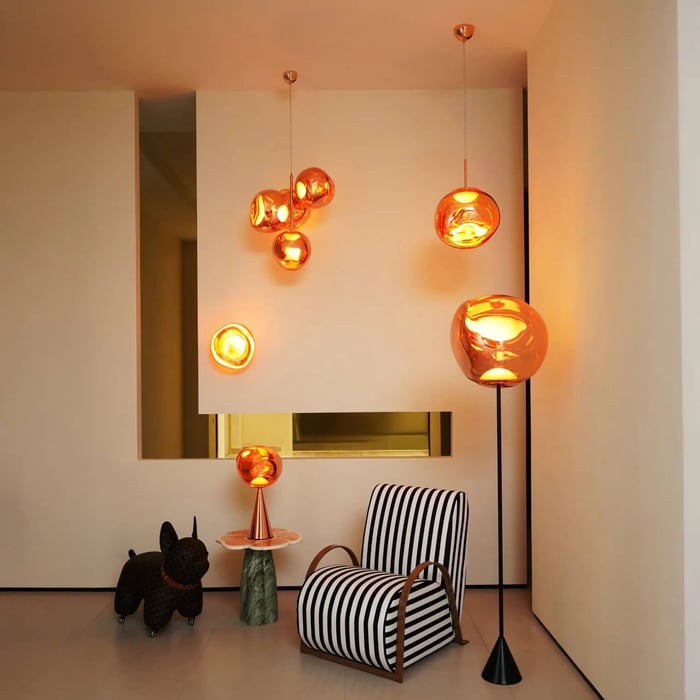
A final note: novelty styles can be fun in the right room, but they’re not always practical for a working kitchen. If you’re drawn to statement pieces like lava lights, consider using them in a lounge or snug rather than above a chopping surface.
Quick Summary
Use Pendant Lights to define and light key kitchen zones, especially islands and breakfast bars.
Aim for 70-90cm above the worktop to balance task lighting and sightlines.
Space fittings evenly and keep them comfortably in from the island edge.
Prioritise glare control with diffusers or shaded designs for a softer feel.
Layer lighting with ambient and task sources so the kitchen works all day and feels welcoming at night.
Conclusion
Pendant Lights work best when they’re used to highlight a specific kitchen zone and hung at a height that feels comfortable from every angle. Over an island, the simple target of 70-90cm above the worktop gives you practical task light without blocking views, while thoughtful spacing keeps the design calm and balanced. Choosing shades that diffuse light and reduce glare helps the kitchen feel warm rather than clinical, especially in the evening. When you plan height, spacing, and light quality together and pair the pendants with a layered lighting scheme you get a kitchen that’s easier to work in and more enjoyable to spend time in.
FAQs
How many pendant lights do I need over my kitchen island?
Most islands suit two or three pendants, depending on length and the size of each shade. Two gives a clean look; three often provides more even task light. The goal is balanced spacing rather than filling every inch.
How low should pendant lights hang if I have a very tall ceiling?
Start with the same 70-90cm above the worktop rule, then adjust based on shade size and glare. Tall ceilings usually allow slightly larger pendants or longer drops, but the worktop-to-pendant relationship still matters most.
Can pendant lighting be the main light source in a kitchen?
It can be, but it’s rarely the most comfortable option on its own. Pendants shine as task-and-feature lighting, while ambient ceiling light and under-cabinet lighting fill in shadows and make the room practical.
What bulb colour is best for soft kitchen pendant lighting?
Warm white (often around 2700-3000K) tends to feel cosy and flattering, especially in the evening. If you prefer a brighter, crisper cooking feel, go slightly cooler but make sure glare is controlled.
Are glass pendants too bright over an island?
They can be if the bulb is exposed or very high-lumen. Choose opal/frosted glass or add a diffuser to keep the light soft. If you love clear glass, pick a lower-glare bulb and hang carefully for sightlines.
Should pendants be centred on the island or the room?
They should be centred on the island’s working zone and aligned with the island’s centre line. If the island is off-centre in the room, follow the island pendants are there to light the surface, not the ceiling.
What if my island has a sink does pendant height change?
The height guidance is similar, but you’ll want excellent glare control because you often face the sink area directly. A slightly higher hang or a more shielded shade can feel more comfortable during daily use.
Can I mix pendant styles in the same kitchen?
Yes, but keep something consistent finish, shape language, or colour temperature so the space doesn’t feel chaotic. Over an island, matching pendants usually looks calmer and more intentional.
How do I stop pendants from blocking the view in an open-plan kitchen?
Hang them within the recommended height range, avoid oversized shades, and choose designs that feel visually light (slimmer profiles, cleaner shapes). Checking sightlines from entrances and seating positions makes a big difference.
What’s the easiest “safe” choice if I’m new to pendant lighting?
Go for two or three medium pendants with diffused light, hung about 80cm above the worktop, and spaced evenly. This setup is forgiving, comfortable, and works with most kitchen styles without overwhelming the space.