
Table of Contents
- Introduction
- Quick Summary
- Where should outdoor wall lights go for maximum safety?
- Where to put outdoor wall lights near the front door?
- Where should outdoor wall lights go to brighten a dark garden?
- Where to place outdoor wall lights that won’t rust?
- Where should outdoor wall lights go to improve winter visibility?
- How high should outdoor wall lights be installed?
- What’s the best placement for outdoor wall lights along a pathway?
- What type of outdoor wall lights work best in winter?
- Step-by-step: How to decide where your outdoor wall lights should go
- Where should outdoor wall lights go to avoid shadows?
- Where to put outdoor wall lights for both style and function?
- Conclusion
- FAQs
Introduction
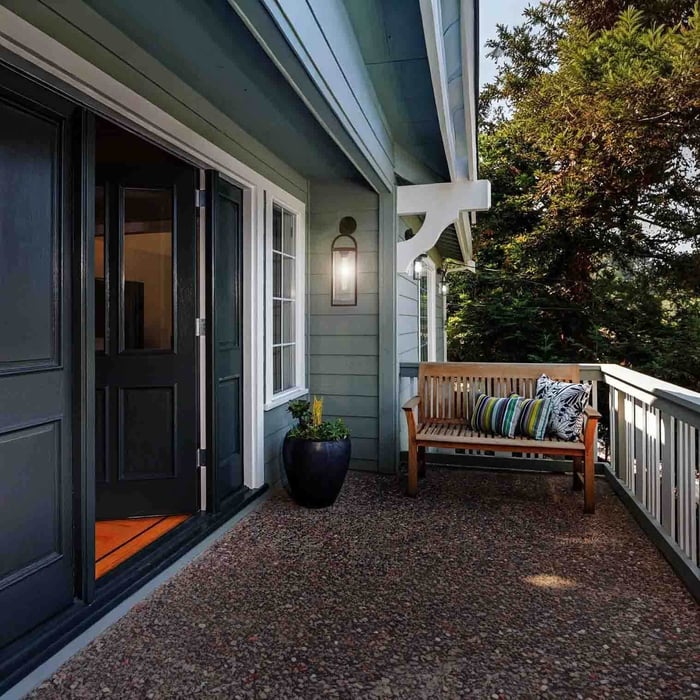
Choosing the right outdoor wall lights is only half the equation; knowing where to place them is what determines whether they truly enhance safety, visibility, and practical day-to-day use. Many homeowners unknowingly mount their fixtures too high, too low, or in areas where the beam can’t perform well. With proper placement, you not only illuminate your space but also create a warm, welcoming exterior that works reliably through every season of the year. This guide explains exactly where your lights should go around front doors, gardens, pathways, and winter-prone areas, including strategies for preventing rust and reinforcing security without disrupting your home’s design.
Correct placement helps eliminate dark spots, reduces glare, and ensures that every movement area whether a walkway, gate, or entryway remains safely lit. When you place fixtures at the right height and distance, you create clean, inviting beams that highlight the best features of your home while improving safety for visitors and family members. Proper positioning also extends the life of your fittings by keeping them sheltered from excessive weather exposure. In the sections below, you’ll find clear guidance, real-world examples, and practical steps to make your lighting layout both beautiful and functional all year long.
Quick Summary
Outdoor wall lights work best when installed at a height of 1.6-1.8 metres, placed along entry points, walkways, and areas where shadows tend to form. Good positioning prevents glare, improves night-time navigation, and makes your home feel welcoming. For gardens and wider outdoor spaces, spacing lights 2-3 metres apart ensures smooth, even brightness. These placement guidelines help maintain visibility throughout the year, especially in winter months.
Where should outdoor wall lights go for maximum safety?
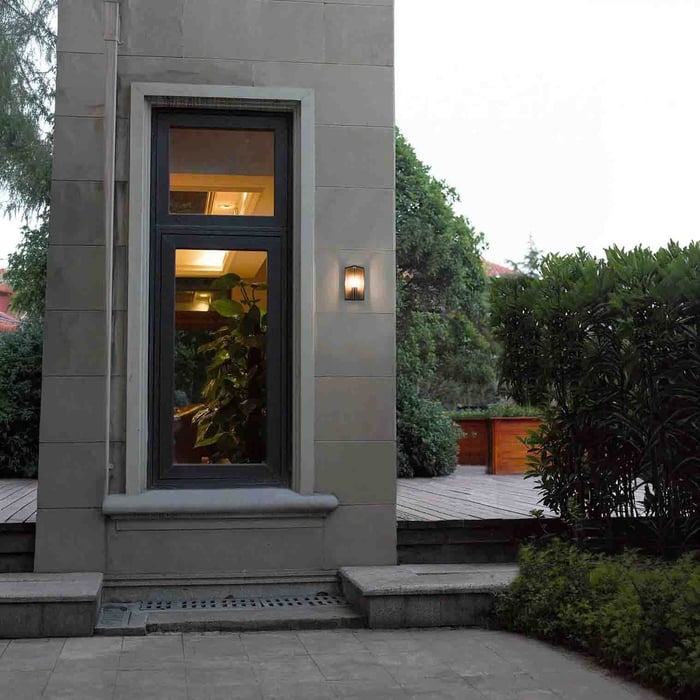
Outdoor wall lights should be placed along key entry points and darker exterior zones to help guide movement and deter unwanted activity. Positioning them at eye level keeps the beam even and prevents harsh shadows that make navigation difficult. This creates consistent visibility near doors, pathways, and gated side areas while enhancing your home’s natural lines.
Many homeowners underestimate how much safer a space becomes when lights are evenly spaced, particularly along longer movement areas. For example, positioning lights 2 to 3 metres apart along a wall near your driveway creates a smooth visual rhythm that improves orientation at night. Placing fixtures where steps, uneven edges, or sharp corners exist also helps prevent trips and falls by highlighting potential hazards.
Where to put outdoor wall lights near the front door?
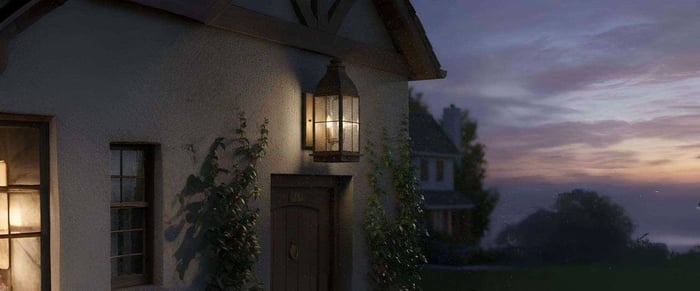
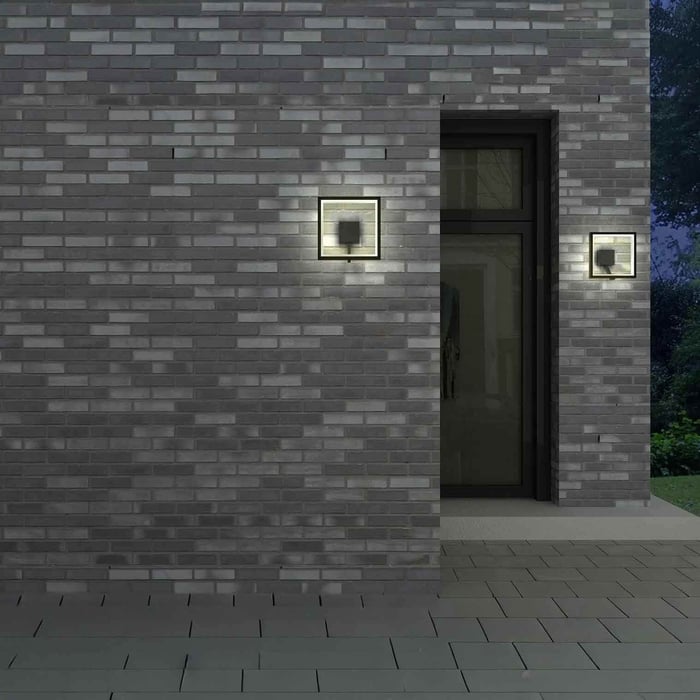
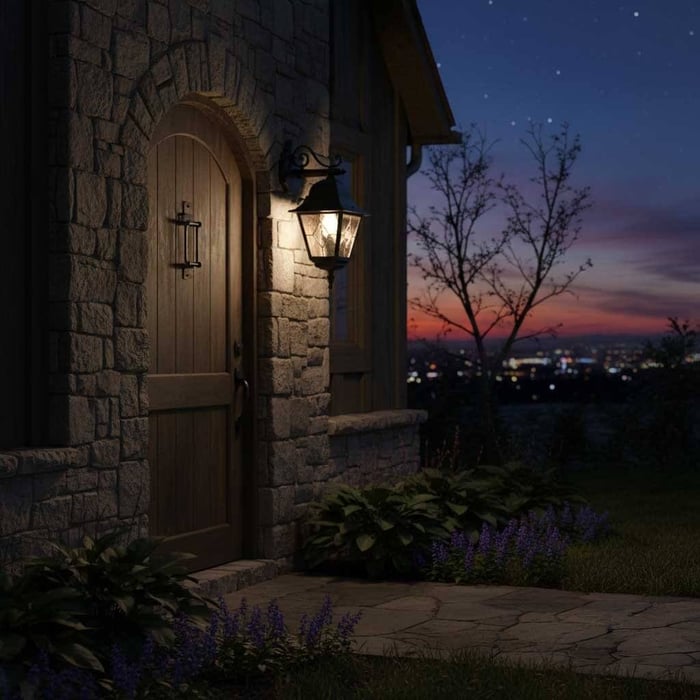
Place outdoor wall lights at 1.6-1.8 metres on either side of your front door or install a single fixture just above eye level in the centre. This mounting height reduces glare while brightening keyholes, handles, and facial visibility, which is especially helpful when greeting guests or receiving deliveries after dark. Balanced placement also enhances curb appeal by framing the entrance with warm, focused light.
For wider entrances, two symmetrical fixtures create a sense of structure and visual harmony. If your front porch has a textured wall, the right light placement can even help highlight the material in a subtle but attractive way. A well-chosen fixture from a brand like Elstead Lighting can work beautifully in these areas.
Where should outdoor wall lights go to brighten a dark garden?
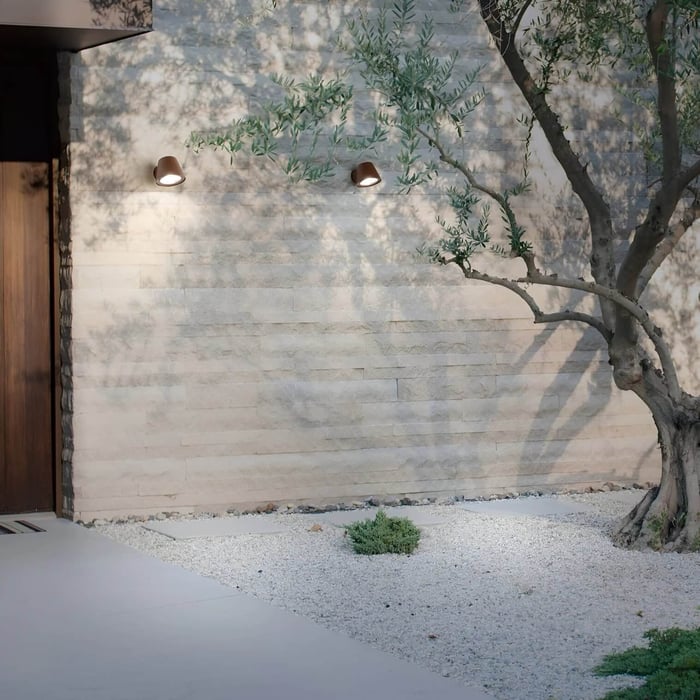
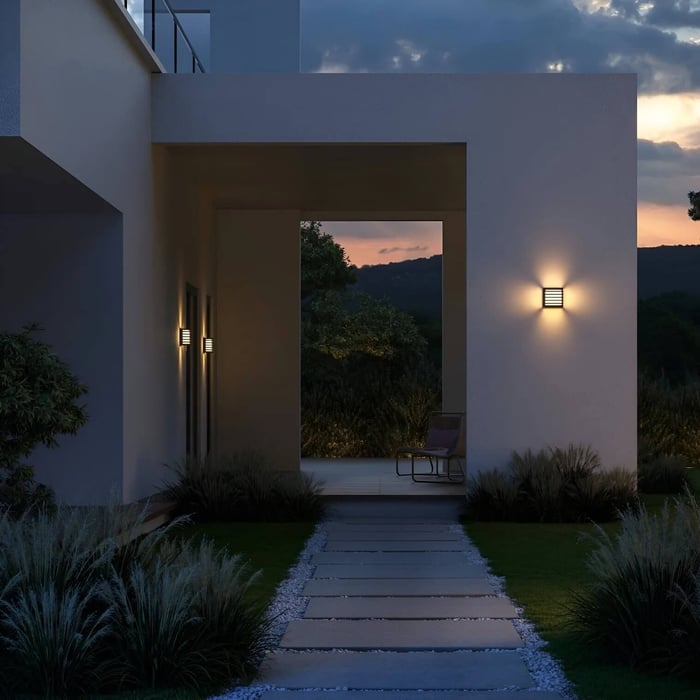
Outdoor wall lights should be installed along perimeter walls, seating areas, and garden paths to remove dark pockets and create a sense of depth. Side-mounted lighting is particularly effective in gardens because it delivers horizontal coverage that overhead fixtures can’t match. Positioning your lighting in staggered areas also helps create a layered look that feels natural and atmospheric.
Garden lighting is most successful when multiple types of fixtures work together:
Wall washers for soft ambience
Directional lights to highlight plants or sculptural features
General sconces for wider brightness
Spacing fixtures about 2-3 metres apart ensures even spread without creating harsh hotspots. If you'd like to add highlight accents, consider pairing your wall fixtures with outdoor spotlights for a more dramatic and textured garden feel.
Where to place outdoor wall lights that won’t rust?
Outdoor wall lights should be placed in areas with good ventilation and away from surfaces where constant water exposure or pooling may occur. Even when built from rust-resistant materials like aluminium, stainless steel, or polycarbonate, strategic positioning enhances durability. The goal is to allow fixtures to breathe while reducing long-term moisture contact.
For coastal homes or properties exposed to strong winds, placing lights under eaves or sheltered architectural edges helps shield them from salt spray. Ensure there is adequate drainage behind the fixture plate to prevent trapped moisture and corrosion. Finishes such as powder coating offer additional protection, especially when used on fixtures with minimal seams.
Where should outdoor wall lights go to improve winter visibility?
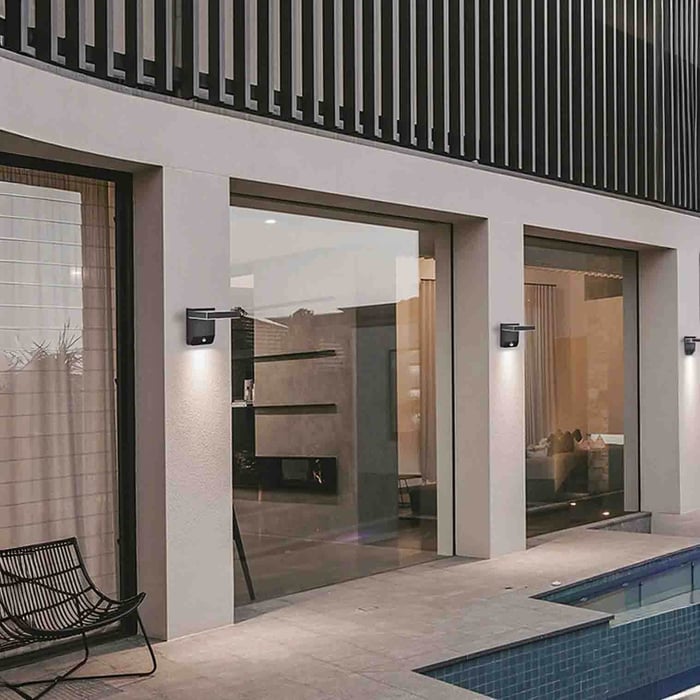
Outdoor wall lights should be placed at moderate height and close to frequently used movement points to ensure consistent lighting throughout winter’s shorter days. Mounting them too high weakens the beam during fog, rain, or snowfall, while placing them too low risks obstruction from snow accumulation. Choosing a wide-angle beam helps maintain clarity even on darker evenings.
Installing lights near garages, utility doors, and rear entrances ensures safer access during icy weather. Motion-sensor fixtures provide an extra layer of convenience by activating automatically during late hours. For best performance in freezing temperatures, opt for LED fittings rated for cold climates. Fixtures located near winter-heavy zones can also be supported by security lights to broaden overall visibility.
How high should outdoor wall lights be installed?
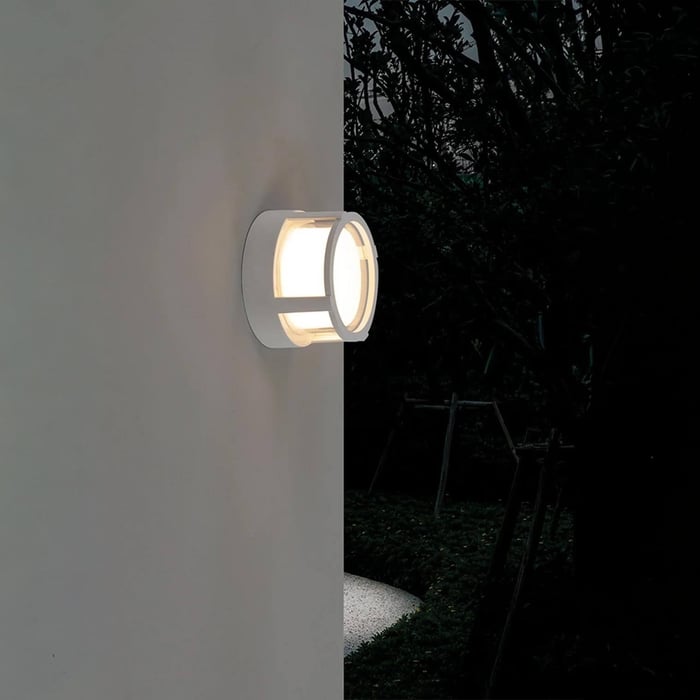
Outdoor wall lights should generally be installed at 1.6-1.8 metres from ground level for the most comfortable and effective beam. This height ensures the light falls evenly across pathways and entryways without blinding occupants or visitors. It also creates a more natural visual line when paired with windows and surrounding architectural elements.
Mounting fixtures higher than 2 metres tends to dilute the intensity and coverage, spreading the beam too widely. Installing them too low risks producing shadows that distort perspective or create glare. Keeping a consistent baseline height helps maintain uniformity across your outdoor layout. For areas with taller structures or unusually high ceilings, slight adjustments can be made while maintaining the overall placement philosophy.
What’s the best placement for outdoor wall lights along a pathway?
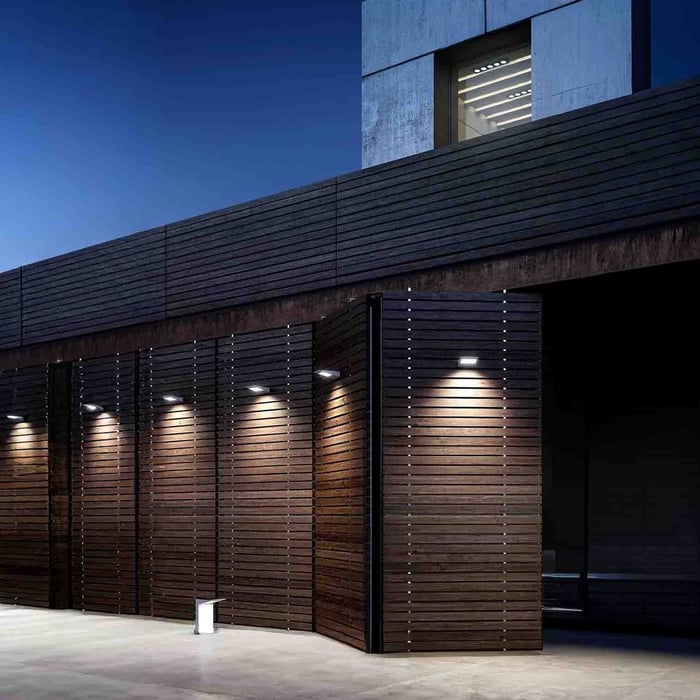
Outdoor wall lights should be positioned 2-3 metres apart on the wall side of a pathway to create a steady, uninterrupted glow. This spacing ensures each beam overlaps gently with the next, eliminating dark gaps that reduce visibility. Angling the light slightly downward softens the beam and guides movement comfortably.
On longer pathways, staggering fixtures on opposite sides enhances depth perception and creates a more welcoming atmosphere. This approach also reduces harshness, particularly in narrower walkway areas. If your pathway includes steps or curves, placing additional fixtures at critical points ensures consistent safety and orientation.
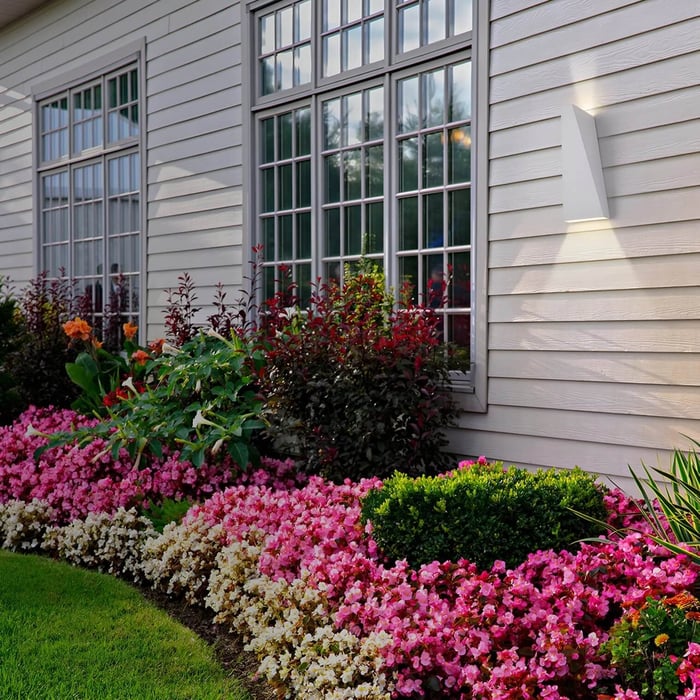
What type of outdoor wall lights work best in winter?
Durable LED outdoor wall lights with high weather-resistance ratings perform the best in winter conditions. Fixtures with IP65 or higher protect against moisture, frost, and debris while retaining consistent brightness even when temperatures drop. Their sealed design keeps internal components dry and resilient.
Look for wide-beam designs that distribute light clearly through mist or snowfall. Pairing LED fixtures with motion sensors reduces energy consumption during longer nights. If your space has a covered patio or sheltered façade, supplementing these fixtures with outdoor downlights adds more vertical clarity during winter evenings.
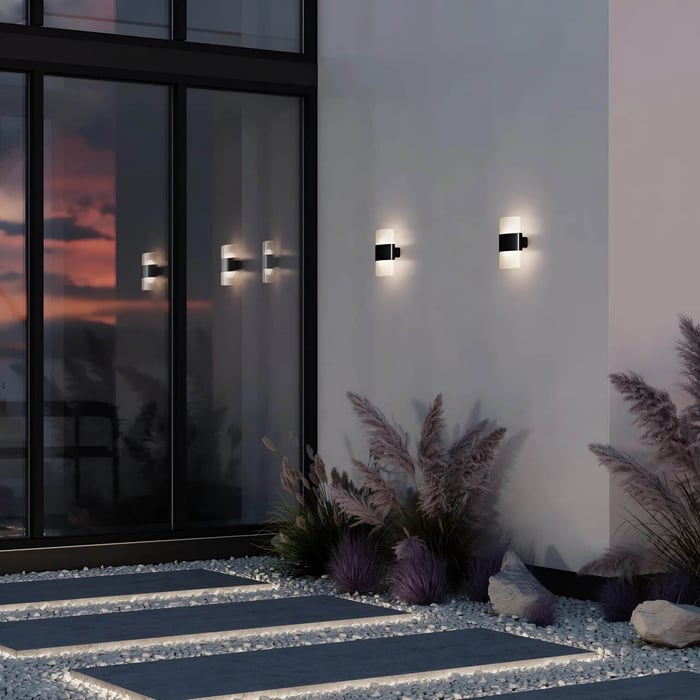
Step-by-step: How to decide where your outdoor wall lights should go
Here is a clear, practical method for mapping your lighting layout:
1. Identify all entry and exit points
Front doors, back doors, garages, and side gates should be your first consideration.
2. Locate existing dark spots
Walk around your home after sunset and note areas where visibility drops sharply.
3. Consider the purpose
Decide whether each location needs safety lighting, ambience, security, or a combination.
4. Measure the height
Mark 1.6-1.8 metres as your standard installation height before positioning fixtures.
5. Space your lights
Use 2-3 metre spacing to maintain consistent brightness across longer sections.
6. Assess weather exposure
Avoid areas where snow or heavy rain may block or damage the beam.
7. Test the angle
Hold the fixture temporarily against the wall to observe shadows and adjust as needed.
This method ensures you choose locations that are both visually appealing and functional. It helps balance architectural cohesion with everyday practicality.
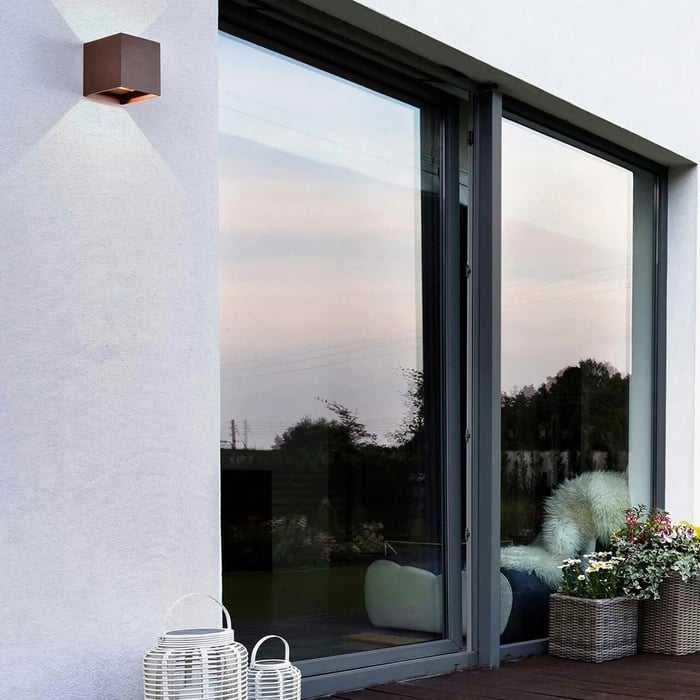
Where should outdoor wall lights go to avoid shadows?
Outdoor wall lights should be mounted at eye level and oriented slightly outward to eliminate harsh shadowing. The angle is crucial because downward-only beams tend to exaggerate contrast, especially in narrow areas. Diffused or frosted designs further soften light and create smooth coverage.
For gardens and exterior walls, distributing fixtures across multiple points prevents heavy contrast. If your space has tall hedges or textured surfaces, spreading lights across the length of the garden offers a more natural finish. Balanced placement avoids the tunnel-lighting effect that makes outdoor areas feel smaller.
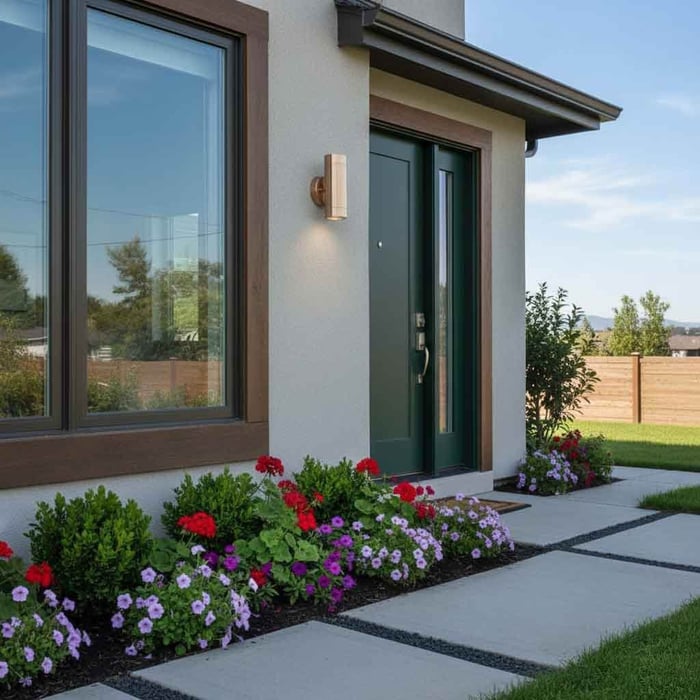
Where to put outdoor wall lights for both style and function?
Outdoor wall lights work best when aligned with natural architectural lines such as door frames, window edges, or structural divisions. This approach enhances both aesthetics and functional coverage. Visual balance helps avoid clutter while ensuring important areas remain properly illuminated.
Stylish uplighting can accentuate textured stone, while minimalistic sconces complement modern façades. If your home has wooden or panelled features, warm-toned fixtures can help soften the exterior at night. Using light to frame architectural elements creates a cohesive look that remains practical year-round.
Conclusion
Outdoor wall lights play their strongest role when they’re placed with purpose, ensuring safe movement, balanced brightness, and a welcoming atmosphere in every outdoor area. Positioning them at 1.6-1.8 metres helps reduce glare while improving visibility across front doors, pathways, and garden spaces. Consistent spacing of 2-3 metres keeps light even, whether guiding visitors along the entryway or brightening wider outdoor sections. Thoughtful placement also prevents rusting by keeping fixtures sheltered and well-ventilated, while angled beams help reduce shadows that often form around walls and corners. Each part of your exterior from steps to seating areas benefits when lighting is arranged to support comfort, safety, and everyday use.
Seasonal changes also influence placement, especially in winter, where lower daylight hours make reliable lighting essential near garages, back doors, and high-traffic points. Choosing LED fixtures rated for cold weather ensures dependable brightness, while sheltered mounting prevents ice and snow from affecting performance. The step-by-step planning approach identifying entry points, spotting dark areas, measuring height, spacing lights, and checking angles helps you build a layout that performs well throughout the year. Your wall lights can also work alongside Outdoor Spotlights, Outdoor Downlights, and Security Lights to reinforce visibility and enhance architectural character. With each element placed thoughtfully, your home feels brighter, safer, and more inviting no matter the season.
FAQs
What height should outdoor wall lights be installed?
Outdoor wall lights should be installed 1.6-1.8 metres from the ground. This height reduces glare, improves visibility, and provides even lighting across doors, pathways, and outdoor areas.
How far apart should outdoor wall lights be spaced?
Space outdoor wall lights 2-3 metres apart. This keeps the light consistent, prevents dark gaps, and creates a smooth lighting flow along pathways, gardens, and exterior walls.
Where is the best place to put outdoor wall lights at the front door?
Place them on both sides of the front door at 1.6-1.8 metres, or install one fixture above eye level in the centre. This improves visibility for guests, keyholes, and deliveries.
How do I brighten a dark garden using outdoor wall lights?
Install wall lights along perimeter walls, seating areas, and garden paths. Use a mix of wall washers, sconces, and directional lights to create layered, evenly spread illumination.
What outdoor wall lights won’t rust?
Choose lights made from aluminium, stainless steel, or polycarbonate, and install them in areas with good ventilation and away from constant water exposure. Powder-coated finishes also resist corrosion.
Which outdoor wall lights work best in winter?
Cold climates require LED outdoor wall lights with IP65 or higher ratings. These resist moisture, frost, and debris while maintaining brightness in freezing temperatures.
Where should outdoor wall lights be placed for maximum safety?
Place them near entry points, pathways, steps, driveways, and dark exterior zones. Proper positioning reduces shadows, improves navigation, and deters intruders.
How do I avoid shadows when installing outdoor wall lights?
Mount the lights at eye level and angle them slightly outward. Choose frosted or diffused designs to soften harsh contrasts and prevent deep shadows along walls.
Should outdoor wall lights point up or down?
Downward lighting works best for pathways and entries, while upward lighting is great for highlighting textures and architectural features. Many homes use a combination of both for balance.
How do I plan where my outdoor wall lights should go?
Identify all entry points, locate dark areas, decide the purpose (safety, ambience, security), measure the 1.6-1.8m height, set 2-3m spacing, assess weather exposure, and test the beam angle before installing.