
Table of Contents
- Introduction
- Quick Summary
- What Is Alabaster Lighting?
- What Is Glass Lighting?
- Is Alabaster Better Than Glass for Lighting?
- What Are the Differences Between Alabaster and Marble Lighting?
- How Do You Choose Between Alabaster and Glass Lighting?
- Where Does Alabaster Lighting Work Best?
- Natural Stone Lighting Ideas for Modern Interiors
- Common Mistakes to Avoid
- Does Alabaster Suit Contemporary Homes?
- Conclusion
- FAQs
Introduction
Choosing between alabaster lighting and glass fixtures can feel challenging, especially when both materials offer distinct visual and practical benefits. The right choice depends on the atmosphere you want to create, the function of the room, and the overall design direction of your space.
This guide explains the real differences between alabaster and glass, how marble compares, and where natural stone lighting works best in modern interiors.
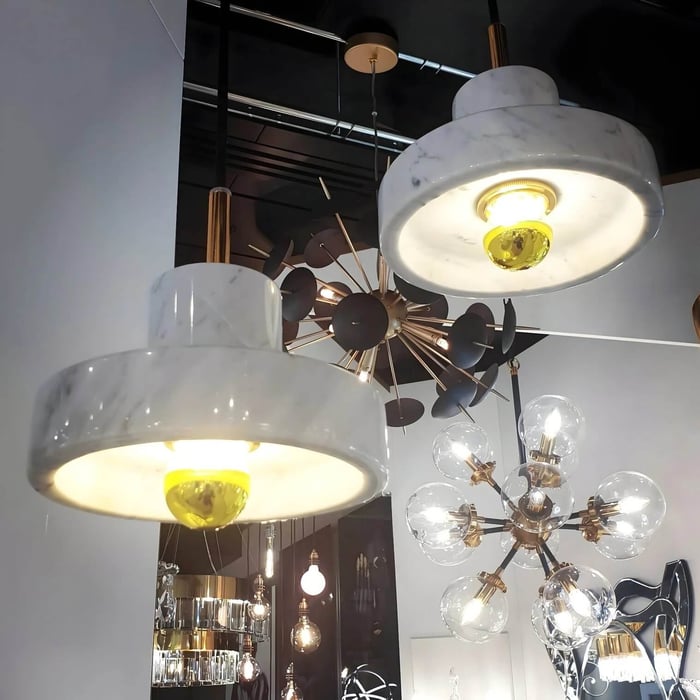
Quick Summary
Alabaster produces a warm, soft, diffused glow.
Glass delivers brighter, clearer light.
Alabaster is natural stone with unique veining in every piece.
Glass is versatile, lightweight, and often more affordable.
Marble is more opaque and dramatic than alabaster.
The best choice depends on mood, placement, and function.
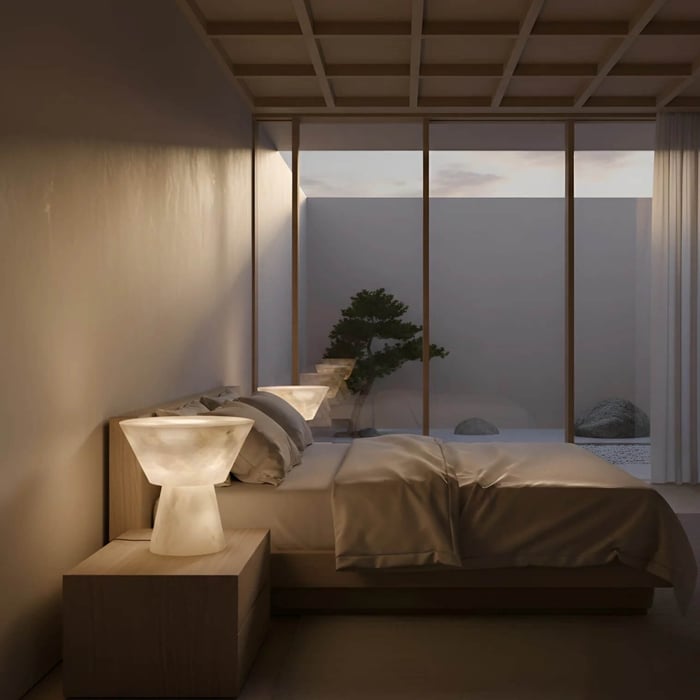
What Is Alabaster Lighting?
Alabaster lighting uses carved natural stone to create a soft, atmospheric glow.
Alabaster is a translucent stone formed naturally over time. When shaped into light fixtures, it allows light to pass through gently, producing a creamy and evenly diffused effect. Unlike artificial materials, no two alabaster pieces are identical. Each fixture displays natural veining and tonal variation, which adds depth and character.
Because of its glow, alabaster works particularly well in:
Dining rooms
Bedrooms
Living rooms
Hallways
Boutique-style commercial interiors
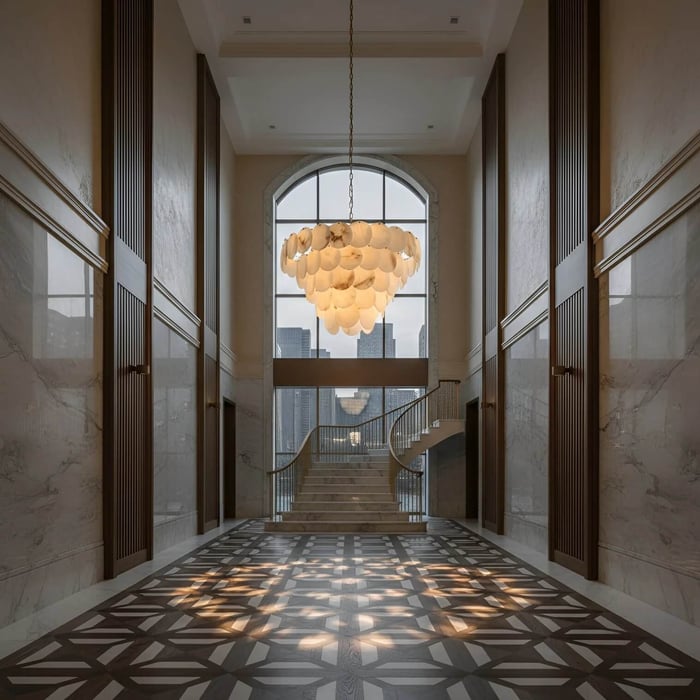
Many clients choose statement pendants or alabaster chandeliers when they want lighting to act as a sculptural centrepiece rather than just a functional fitting.
What Is Glass Lighting?
Glass lighting uses transparent, frosted, tinted, or textured glass to distribute or direct light.
Glass is widely used because it is adaptable and practical. Clear glass maximises brightness and showcases decorative bulbs. Frosted or opal glass softens the light but still provides stronger illumination than stone.
Glass lighting is often selected for:
Kitchens
Bathrooms
Utility rooms
Offices
Contemporary interiors
If strong task lighting is essential, glass frequently performs better. It allows more direct light output and works well in layered lighting schemes.
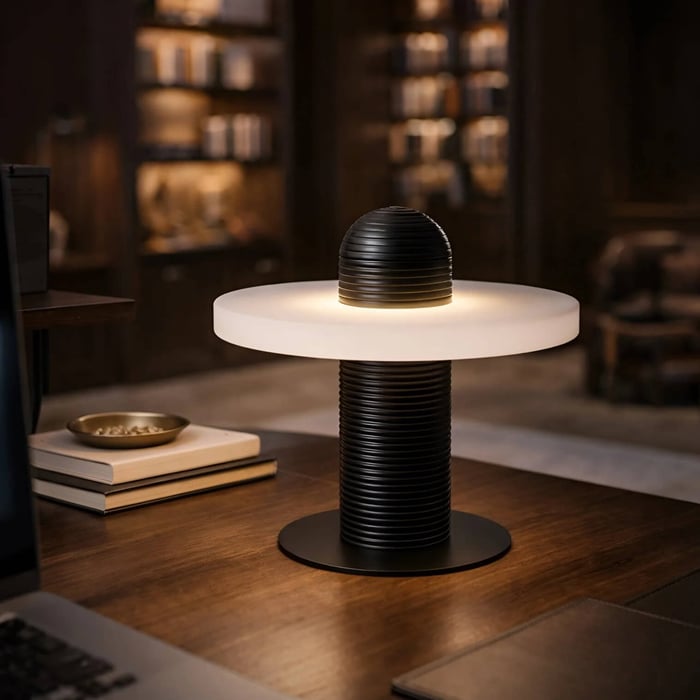
Is Alabaster Better Than Glass for Lighting?
Alabaster is better for ambience, while glass is better for brightness and practicality.
The question “is alabaster better than glass for lighting?” does not have a universal answer. Instead, it depends on what you need from the fixture.
Light Quality
Alabaster creates a warm, inviting glow that reduces glare and softens shadows. It is ideal for relaxed environments where comfort matters most.
Glass produces clearer and often brighter light. In kitchens or workspaces where visibility is crucial, glass may be more suitable.
Visual Impact
Alabaster feels substantial and architectural. The natural veining gives each piece individuality, making it a focal feature. In contrast, glass offers cleaner lines and suits minimalist or industrial schemes.
Cost and Craftsmanship
Alabaster lighting usually costs more due to the natural material and skilled carving involved. Glass fixtures are available at a wider range of price points and are often easier to replace.
What Are the Differences Between Alabaster and Marble Lighting?
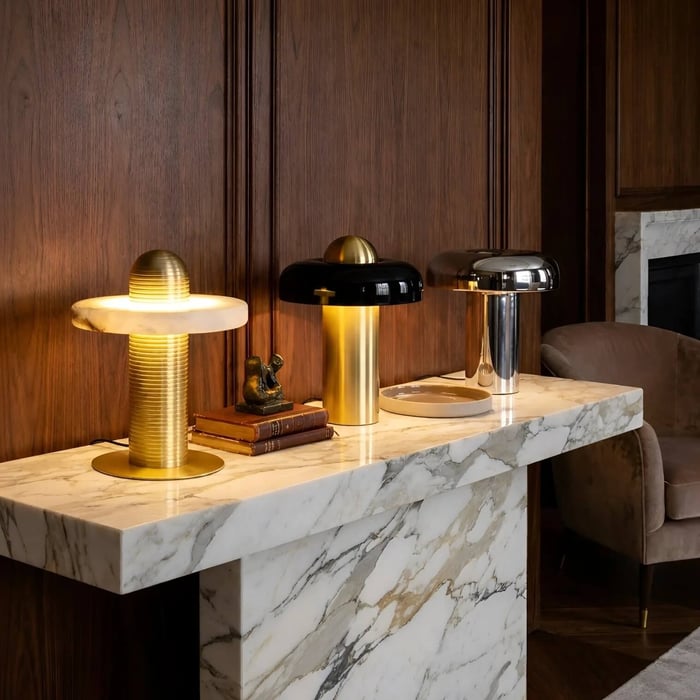
Marble lighting is more opaque and bold, while alabaster lighting is more translucent and luminous.
Although both are natural stones, their interaction with light differs significantly.
Alabaster allows light to glow through the surface.
Marble blocks more light and appears heavier.
Marble veining is typically stronger and higher contrast.
Alabaster appears softer and more ethereal.
If you want a lantern-like glow, alabaster is the better choice. If you prefer a dramatic stone feature with subtle illumination, marble may suit your design.
How Do You Choose Between Alabaster and Glass Lighting?
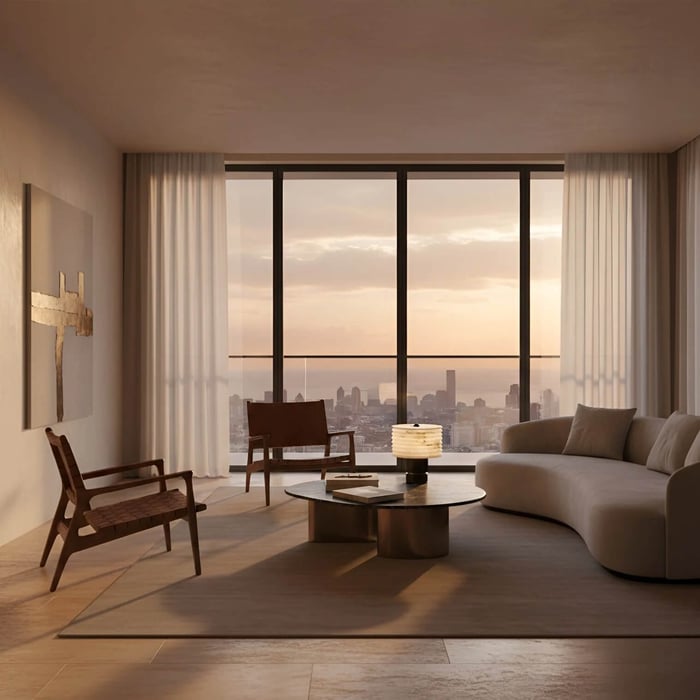
The right choice comes down to function, placement, and desired mood.
Here is the step-by-step process we use at Niori when advising clients.
Step 1: Define the Room’s Purpose
Start by identifying whether the room prioritises task lighting or atmosphere.
Kitchens require clarity and brightness.
Bedrooms benefit from softer light.
Dining areas often suit ambient, diffused lighting.
If the goal is relaxation, alabaster lighting often performs beautifully.
Step 2: Consider Interior Style
Material choice should complement the wider scheme.
Contemporary luxury interiors pair well with stone.
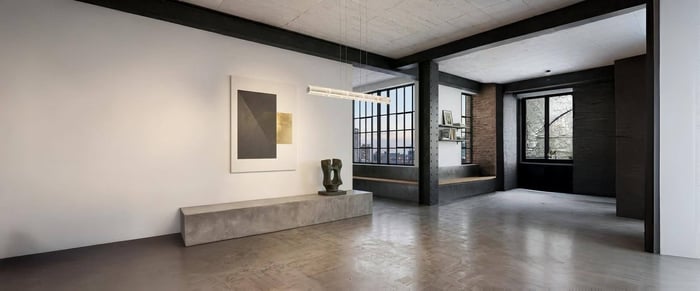
Industrial or minimalist spaces often favour glass.
Classic homes suit both alabaster and marble.
For example, alabaster wall lights can frame a bed or hallway mirror elegantly without overwhelming the space.
Step 3: Assess Moisture and Maintenance
Glass is generally easier to maintain in high-humidity areas. Alabaster is porous and should not be exposed to harsh cleaning products or prolonged moisture.
In bathrooms, use alabaster only when ventilation is sufficient and proper sealing is applied.
Step 4: Think About Layered Lighting
Combining materials often produces the best result.
For example:
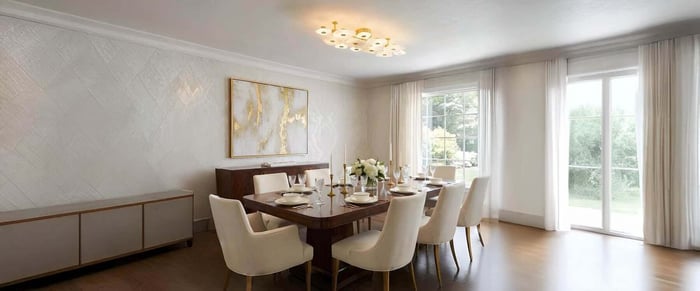
An alabaster pendant above a dining table
Glass spotlights for added brightness
Accent lighting for artwork
Layering ensures flexibility while maintaining warmth and depth.
Where Does Alabaster Lighting Work Best?
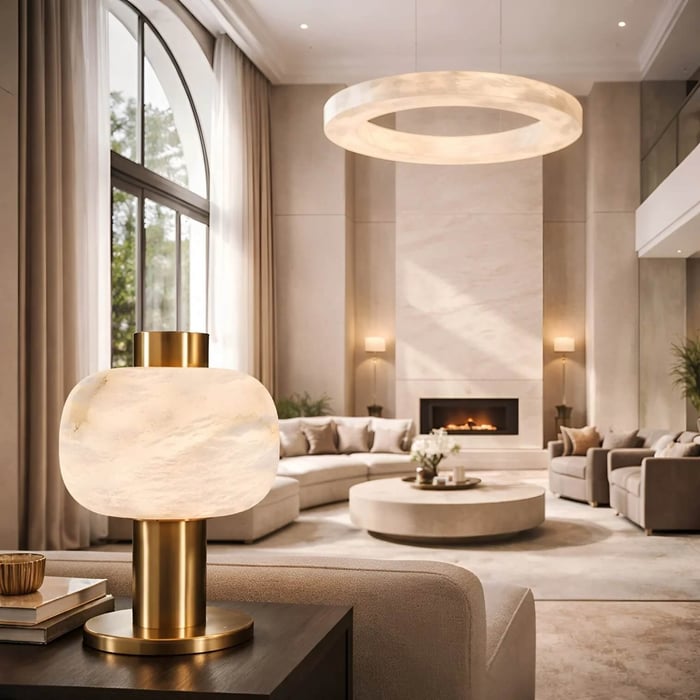
Alabaster lighting works best in spaces designed for comfort and atmosphere.
In living rooms, a central stone fixture creates a calm focal point. In bedrooms, bedside wall fittings soften the environment and reduce harsh glare. In hallways, alabaster provides welcoming illumination that feels refined yet understated.
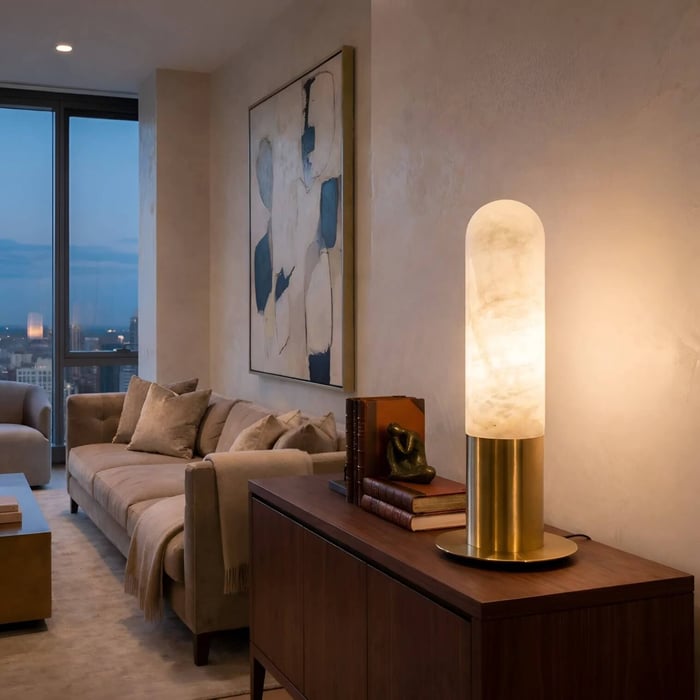
Natural stone lighting also works well in open-plan homes, where it adds texture to neutral palettes. Brass, bronze, and dark timber finishes complement the creamy tones of alabaster beautifully.
Natural Stone Lighting Ideas for Modern Interiors
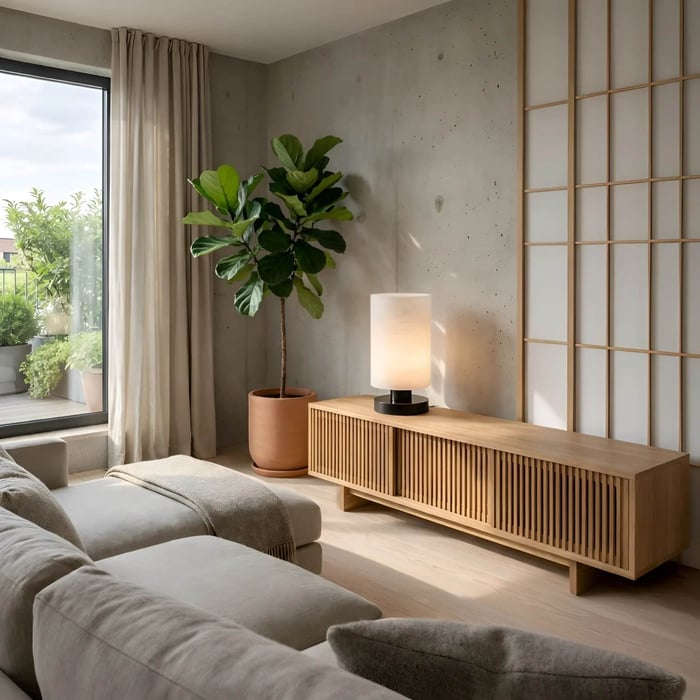
Natural stone lighting adds texture, warmth, and authenticity to contemporary homes.
Here are practical ideas that maintain cohesion with the overall design:
Large Pendant Over a Dining Table
A single sculptural pendant creates a refined centrepiece and anchors the dining space.
Clustered Pendants in Stairwells
Multiple small stone pendants hung at varied heights introduce movement and visual interest.
Backlit Stone Panels
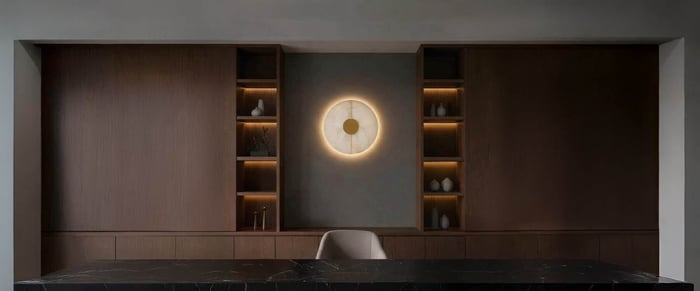
Thin alabaster slabs installed as wall features provide a subtle architectural glow.
Bedside Wall Lighting
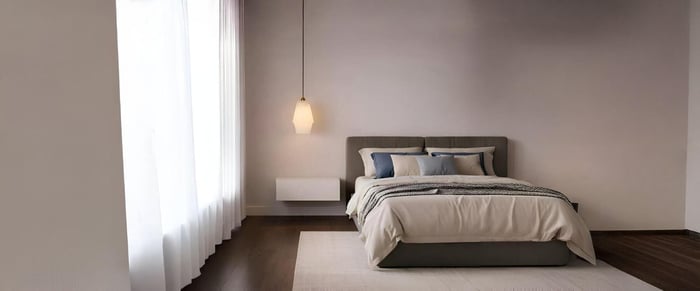
Wall-mounted fixtures free up bedside tables and provide soft, directional light.
Mixed Materials
Combining stone with brushed brass or dark metal prevents interiors from feeling flat or overly uniform.
When used thoughtfully, alabaster lighting enhances rather than dominates a room.
Common Mistakes to Avoid
Selecting materials without considering function often leads to disappointment.
Avoid these common errors:
Installing alabaster in poorly ventilated bathrooms
Using cool white bulbs with stone fixtures
Choosing clear glass where glare will be uncomfortable
Overloading a space with too many statement fittings
Ignoring scale in relation to ceiling height
Warm white bulbs between 2700K and 3000K complement alabaster’s natural tone best.
Does Alabaster Suit Contemporary Homes?
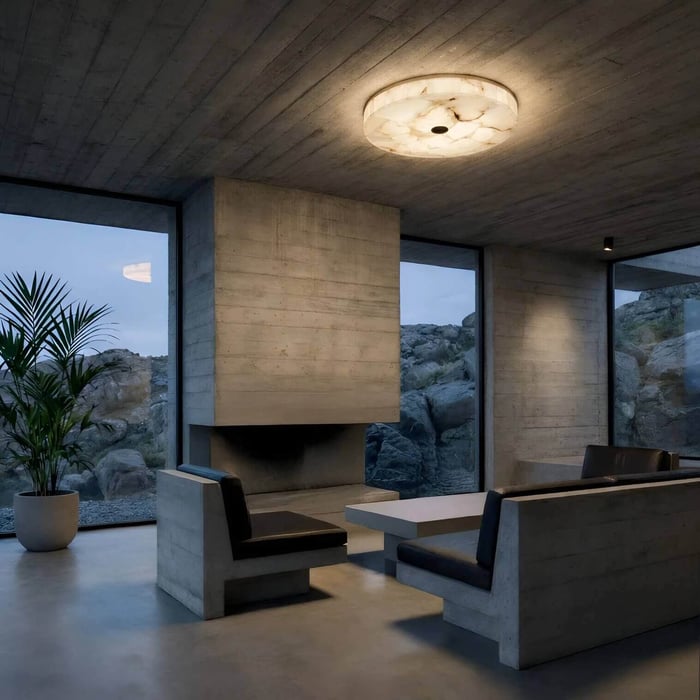
Yes, alabaster suits contemporary interiors when paired with clean lines and balanced materials.
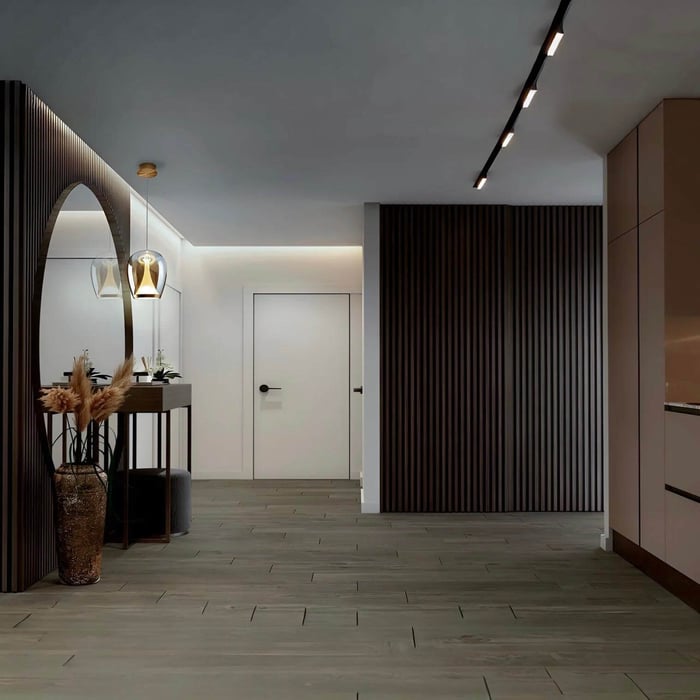
Modern designs often benefit from the warmth that stone introduces. In minimalist spaces, alabaster prevents the room from feeling sterile. Its subtle veining adds organic texture without clutter.
When integrated thoughtfully, alabaster lighting bridges modern design and timeless craftsmanship.
Conclusion
Alabaster lighting and glass lighting serve different purposes, and choosing between them depends on the mood, function, and design of your space. Alabaster offers warmth, depth, and natural beauty, making it ideal for atmospheric interiors. Glass provides clarity, brightness, and practicality for task-oriented areas. Marble adds a more dramatic stone alternative with greater opacity. By considering room function, interior style, maintenance needs, and layering options, you can select lighting that enhances both comfort and design.
FAQs
Is alabaster lighting more expensive than glass?
Yes, alabaster typically costs more because it is natural stone and requires skilled craftsmanship.
Is alabaster better than glass for lighting?
Alabaster is better for ambience, while glass is better for brighter, task-focused areas.
Does alabaster crack easily?
Alabaster is durable but can chip if struck hard. Careful installation is important.
Can alabaster be used in kitchens?
Yes, but it should be placed away from direct moisture and excessive heat.
How do you clean alabaster fixtures?
Use a soft, dry cloth or lightly damp cloth without harsh chemicals.
What bulb colour suits alabaster best?
Warm white bulbs enhance the stone’s natural glow.
Is marble lighting brighter than alabaster?
No, marble is more opaque and typically allows less light to pass through.
Are glass fixtures easier to maintain?
Glass is generally easier to clean and more resistant to moisture.
Can you mix alabaster and glass in one space?
Yes, combining both materials creates balanced and layered lighting.
Does alabaster suit small rooms?
Yes, particularly in wall fittings or compact pendants where soft light enhances intimacy.