
Table of Contents
- Introduction
- Quick Summary
- What Are Alabaster Wall Lights and Why Do They Glow So Beautifully?
- Where Should You Place Alabaster Wall Lights in Hallways?
- How High Should Alabaster Wall Lights Be Installed?
- Where Do Alabaster Wall Lights Work Best in Bedrooms?
- How Can Modern Alabaster Wall Lights Be Positioned?
- Step-by-Step Guide to Placing Alabaster Wall Lights Correctly
- Can Alabaster Wall Lights Be Used in Living Rooms?
- What Placement Mistakes Should Be Avoided?
- How Far Apart Should Alabaster Wall Lights Be?
- Are Alabaster Wall Lights Suitable for Smaller Spaces?
- Conclusion
- FAQs
Introduction
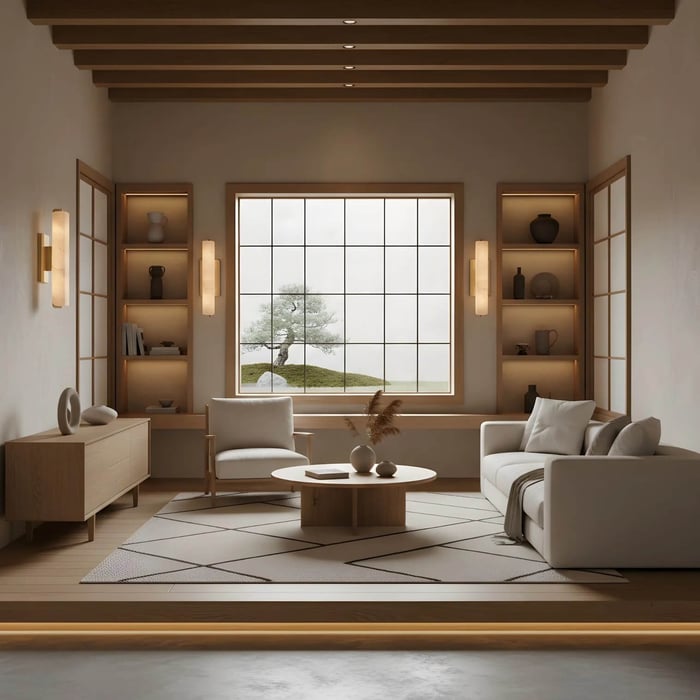
Alabaster wall lights are one of the most effective ways to introduce a soft, atmospheric glow into a home. When chosen carefully, alabaster lights diffuse light through natural stone, creating warmth without glare and elegance without excess brightness. Positioned correctly, they transform walls into subtle focal points and add depth to otherwise flat spaces. The right height, spacing and balance determine whether a room feels calm and refined or uneven and underlit.
This guide focuses entirely on where to place them so they deliver the soft glow they are known for.
Quick Summary
Alabaster wall lights should be installed at eye level to achieve a balanced, diffused glow.
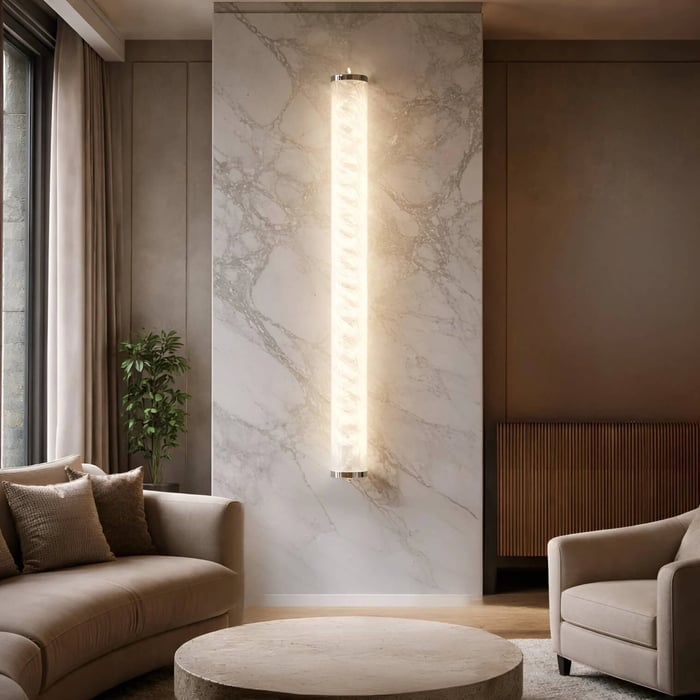
In hallways: mount 150-170cm from floor level and space evenly.
In bedrooms: position beside or slightly above the bed for warmth.
In living areas: use symmetry to frame features or define zones.
Avoid placing too high or too low, as this affects light spread.
Correct placement enhances both atmosphere and architectural detail.
What Are Alabaster Wall Lights and Why Do They Glow So Beautifully?
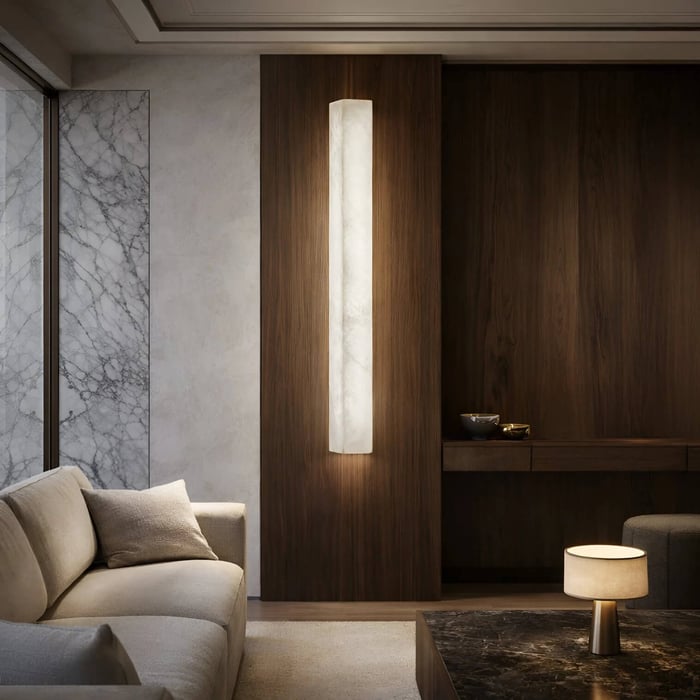
Alabaster wall lights are fixtures crafted from natural translucent stone that softens and diffuses light. The material allows illumination to pass through gently rather than emitting a direct glare. This creates a calm, even glow that feels comfortable in both modern and traditional interiors. Their understated presence makes them ideal for spaces where atmosphere matters more than brightness.
Unlike clear glass or exposed bulbs, alabaster does not produce sharp or clinical light. Instead, light filters through delicate mineral veining, forming a subtle halo across the wall surface. Because every slab of stone is unique, each fitting carries natural variations in tone and pattern. When illuminated, these details become more pronounced, adding texture, depth and quiet character to the room.
Where Should You Place Alabaster Wall Lights in Hallways?
How High Should Alabaster Wall Lights Be Installed?
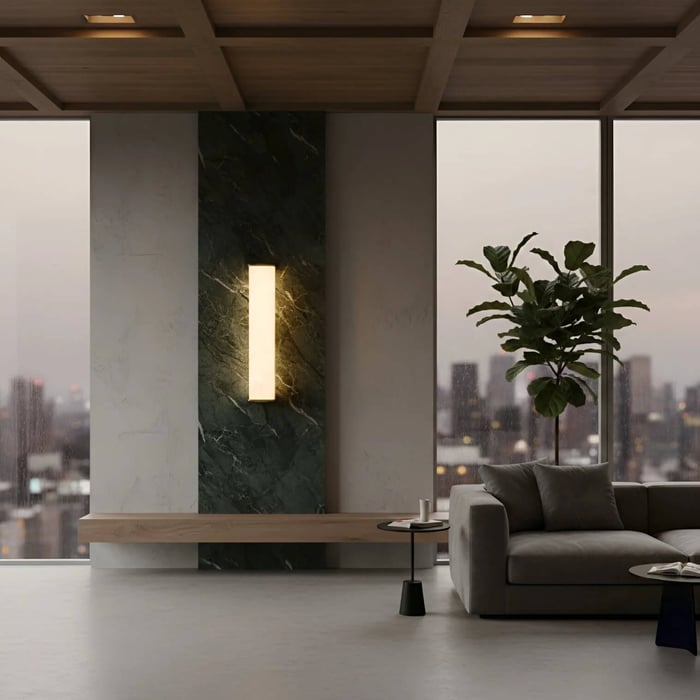
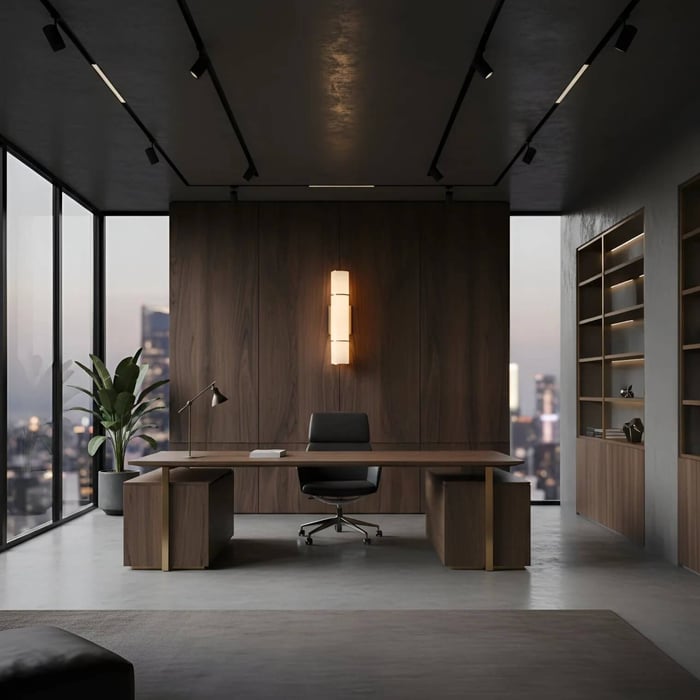
They should generally be installed between 150cm and 170cm from floor to centre. This measurement aligns closely with average eye level, allowing the glow to spread evenly across the wall surface. When positioned within this range, the light feels balanced rather than overpowering. It also ensures the stone detailing remains visible and proportionate to the room.
If ceilings are particularly high, the fitting can be adjusted slightly upward while maintaining visual proportion with surrounding architecture. In spaces where people are seated, such as bedrooms or lounges, lowering the placement a few centimetres can create a more intimate atmosphere. Always assess how the light appears both when standing and sitting to avoid glare. Consistency is essential when installing multiple fittings, as uneven heights disrupt harmony and weaken the overall effect.
Where Do Alabaster Wall Lights Work Best in Bedrooms?
Alabaster wall lights for bedrooms work best beside the bed or slightly above headboard level to create restful ambience.
Bedrooms require layered lighting. Overhead lighting alone can feel harsh at night, whereas these fittings offer a calm alternative that supports relaxation.
Bedside placement:
Mount 15-20cm above mattress height
Position around 20-30cm from the bed edge
Ensure switches are easily accessible
This approach replaces bedside lamps and frees up table space while maintaining a soft, balanced glow.
For a more dramatic effect, place a pair above the headboard, centred and evenly spaced. This creates a refined, hotel-style atmosphere without overwhelming the room.
They also pair beautifully with reflective elements. When installed near an alabaster mirror, the soft glow enhances both the stone texture and the reflection, amplifying warmth without increasing brightness.
How Can Modern Alabaster Wall Lights Be Positioned?
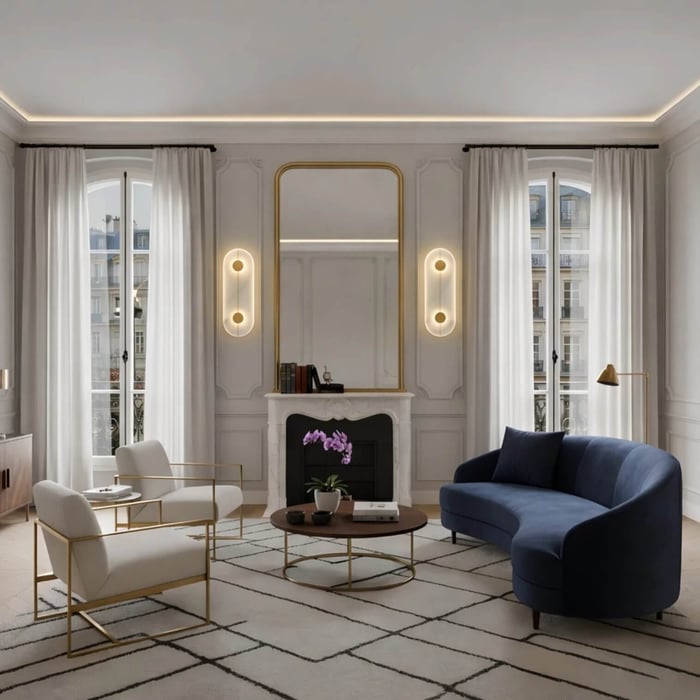
Modern alabaster wall lights allow for clean, architectural placement that highlights symmetry and balance.
Contemporary designs often feature vertical forms or slim profiles. These styles are ideal for:
Framing artwork
Placing either side of a fireplace
Defining dining areas
Highlighting textured wall finishes
In living rooms, position alabaster lights behind seating areas to create depth. When layered with alabaster pendant lighting overhead, the combination builds dimension while keeping the overall atmosphere soft and cohesive.
The key is alignment. Measure carefully to ensure equal spacing and consistent height.
Step-by-Step Guide to Placing Alabaster Wall Lights Correctly
Careful planning ensures alabaster wall lights perform as intended.
Step 1: Define the Purpose
Decide whether the light is for ambience, accent or gentle navigation.
Step 2: Mark the Height
Measure 150-170cm from the floor and mark the centre point.
Step 3: Check Wall Proportions
Divide the wall evenly if installing more than one fitting.
Step 4: Assess Viewing Angles
Stand and sit in the room to confirm the bulb is not directly visible.
Step 5: Test Before Final Installation
Use painter’s tape to visualise placement before wiring.
This method prevents unnecessary repositioning and ensures balanced results.
Can Alabaster Wall Lights Be Used in Living Rooms?
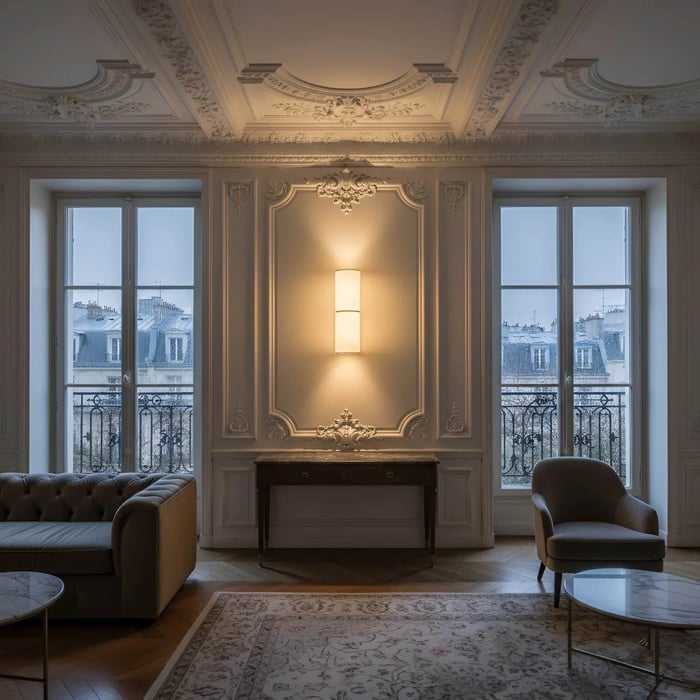
Yes, alabaster wall lights are excellent for layered living room lighting.
They should not be the sole light source but instead complement ceiling or floor lighting. Installed either side of a fireplace or along a feature wall, they create a soft backdrop that enhances furniture and décor.
Spacing remains important. Keep fittings proportional to the wall size and maintain even distances. When paired thoughtfully with ceiling fixtures, the room gains both functionality and visual comfort.
What Placement Mistakes Should Be Avoided?
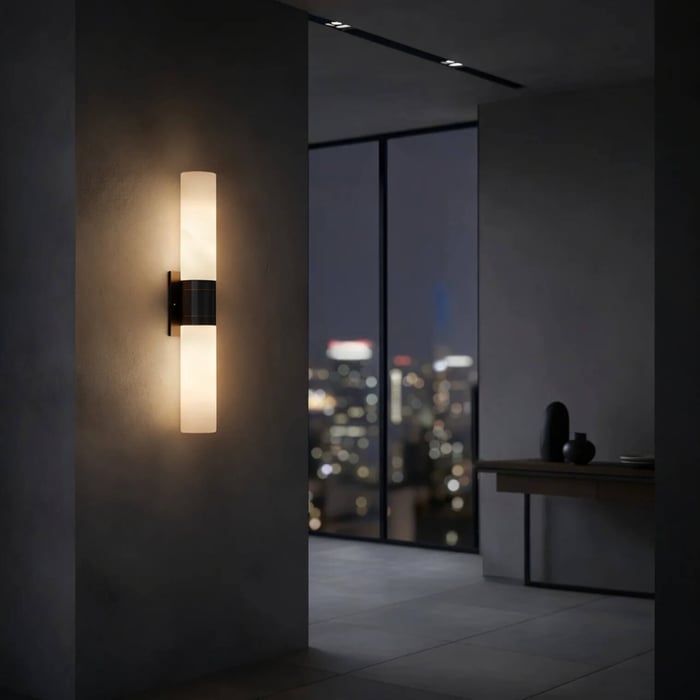
Improper placement can reduce both visual impact and comfort.
Avoid:
Mounting too high near the ceiling
Installing below shoulder height
Uneven spacing in corridors
Using them as task lighting
Ignoring wall proportions
Alabaster wall lights are designed for atmosphere. They perform best when part of a layered scheme rather than acting as primary illumination.
How Far Apart Should Alabaster Wall Lights Be?
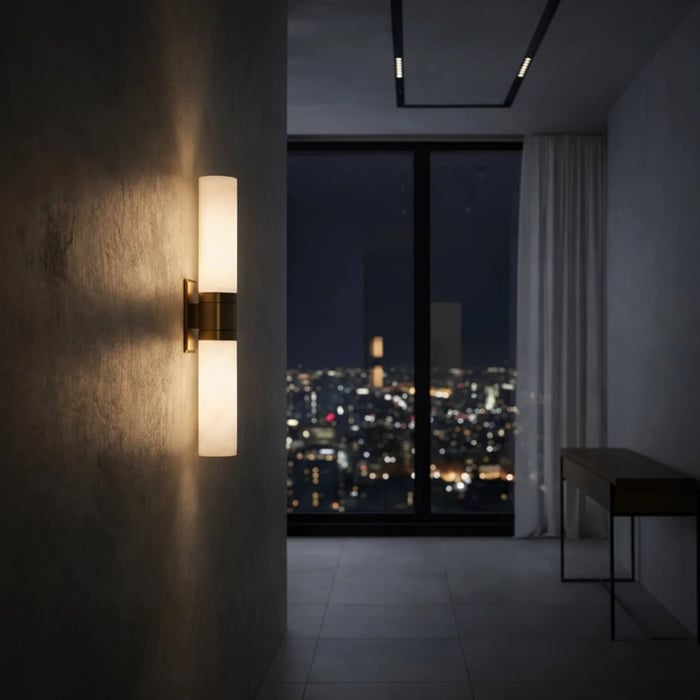
They should typically be spaced 2-3 metres apart in hallways and along large walls to maintain an even, balanced glow. This distance allows the light to overlap gently without creating harsh bright spots or noticeable dark gaps. In narrower corridors, slightly closer spacing can produce a continuous wash of warmth that makes the space feel more welcoming. In wider areas, consistent intervals help the layout feel structured and visually calm.
Closer spacing creates a more dramatic and intimate atmosphere, particularly in transitional spaces where mood is important. Wider spacing feels lighter and more architectural, allowing each fitting to stand out on its own. The brightness of the bulb, wall colour and the translucency of the stone will influence how far the glow reaches. When unsure, mark the positions on the wall and step back to evaluate the visual rhythm before committing to installation.
Are Alabaster Wall Lights Suitable for Smaller Spaces?
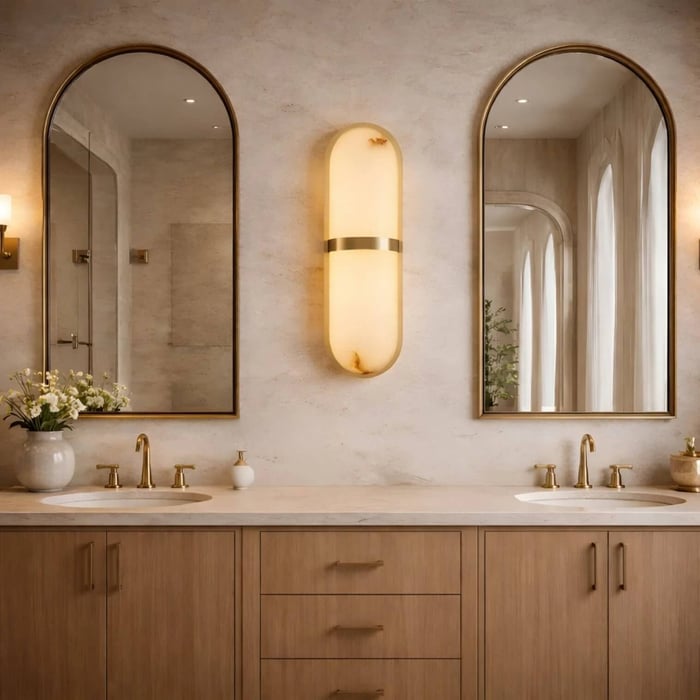
Alabaster wall lights are particularly effective in smaller spaces because they provide warmth without occupying floor space.
In guest bedrooms, narrow hallways or compact lounges, they:
Keep surfaces clear
Add decorative interest
Prevent visual clutter
Provide gentle, flattering illumination
Their slim profile makes them practical, while their natural material adds quiet luxury.
Conclusion
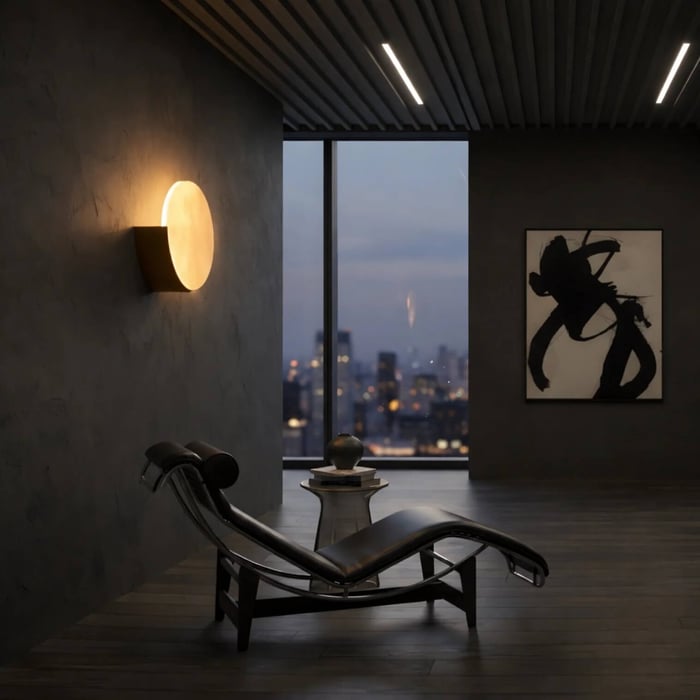
Alabaster wall lights bring softness, warmth and architectural presence to interiors when positioned with care. Installing them at eye level ensures the stone’s natural translucency creates an even, diffused glow. In hallways, even spacing guides movement and adds rhythm. In bedrooms, bedside placement builds comfort and balance. In living areas, symmetry and layering enhance depth without glare.
Correct height, proportion and alignment are essential. Avoid placing them too high or too low, and always consider how the light interacts with surrounding features.
When thoughtfully positioned, they become more than fixtures they shape the mood of a room and elevate the entire space with understated elegance.
FAQs
What are alabaster wall lights made from?
They are crafted from natural alabaster stone, a translucent material that diffuses light beautifully. Each piece features unique veining, making every fitting one of a kind.
Are alabaster wall lights bright enough for reading?
They are better suited to ambient lighting rather than focused task lighting. For reading, pair them with a directional lamp or integrated reading light.
Can alabaster wall lights be dimmed?
Yes, most can be used with compatible dimmable bulbs and switches. Dimming enhances their soft, atmospheric quality.
Do alabaster wall lights suit modern interiors?
Absolutely. Modern alabaster wall sconces offer clean lines and sculptural elegance that complement minimalist spaces.
How high should alabaster wall lights be in hallways?
Install them around 150-170cm from the floor to the centre of the fitting. This maintains balance and prevents glare.
Are alabaster wall lights good for bedrooms?
Yes, they are excellent for bedrooms because they produce calming, diffused light ideal for winding down.
Can I install alabaster wall lights either side of a mirror?
Yes, they work beautifully flanking mirrors, especially in bathrooms or dressing areas. Just ensure proper IP ratings where moisture is present.
Do alabaster wall lights require special maintenance?
They should be cleaned gently with a dry or slightly damp cloth. Avoid harsh chemicals that could damage the stone.
How far apart should hallway wall lights be?
Typically 2-3 metres apart, depending on brightness and corridor length. Even spacing is key for a cohesive look.
Are alabaster wall lights energy efficient?
Yes, when paired with LED bulbs, they provide efficient, long-lasting illumination while maintaining their soft glow.