
Table of Contents
- Introduction
- Kitchen Lights: Function Meets Style
- Dining Room Lights: Creating a Focal Point
- Living Room Lights: Layering and Ambiance
- Bedroom Lights: Soft and Subtle Glow
- Entryway and Hallway Lighting: First Impressions
- Design Tips and Finishes
- Placement, Height, and Balance
- Maintenance and Longevity
- Conclusion
- FAQs
Introduction
Lighting plays a defining role in shaping the atmosphere of a home. Among the many fixture types available, pendant lights stand out for their versatility, aesthetic variety, and ability to create a focal point in any space. These suspended fixtures combine form and function, working beautifully in kitchens, dining rooms, bedrooms, and entryways.
More than just a light source, pendant lights contribute to a room’s architectural rhythm and overall tone. Whether illuminating a kitchen island, casting a soft glow in the bedroom, or setting the mood over a dining table, they allow you to layer ambiance, control brightness, and introduce visual texture.
This guide explains how to choose the right pendant for each room, coordinate materials and finishes, and balance proportions for a cohesive design. It’s a complete look at how to bring elegance, warmth, and practicality into your home through intelligent pendant lighting choices.
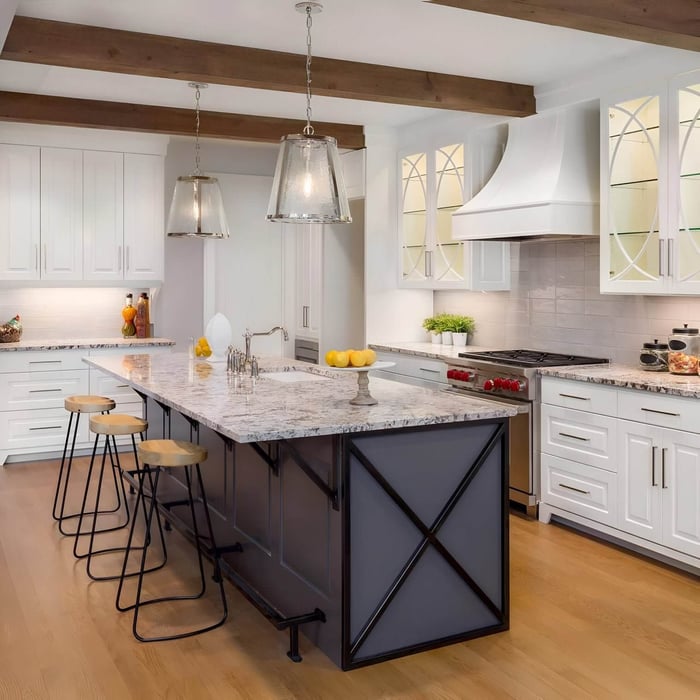
Kitchen Lights: Function Meets Style
The kitchen is both a workspace and a gathering area, so its lighting needs are unique. Kitchen island pendant lights serve as the perfect bridge between task and decorative lighting. They illuminate countertops for meal preparation while also enhancing the room’s style.
Practical Guidelines:
Hang pendants 30–36 inches above the countertop to ensure even illumination without glare.
For multiple pendants, maintain 24–30 inches between each fixture for visual balance.
Combine pendants with recessed ceiling lights to eliminate shadows and brighten the overall space.
When it comes to materials, glass pendant lights are ideal for kitchens because they distribute light evenly and maintain a clean, airy feel. For contrast, black or brass pendants can introduce definition and warmth. If your home leans industrial, opt for metal finishes with visible hardware.
In open-plan layouts, pendant lighting can define zones without walls. Align fixtures over the island or breakfast bar to visually separate the cooking space from the living or dining area while keeping a consistent design flow.
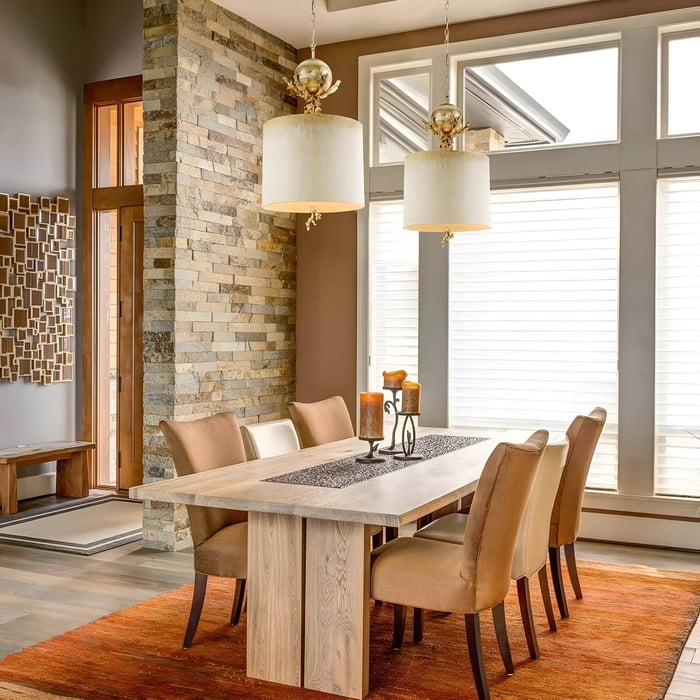
Dining Room Lights: Creating a Focal Point
Dining rooms are where lighting and atmosphere converge most dramatically. Dining room pendant lights command attention and set the mood for everything from casual breakfasts to formal dinners.
Design Recommendations:
The diameter of your pendant should be about half the width of your table to maintain proportion.
Leave 30–34 inches between the tabletop and the bottom of the pendant for optimal height.
Use dimmable pendant lights to adjust brightness depending on the occasion.
For materials, polished brass and crystal accents enhance elegance, while woven or frosted glass pendants create a softer, more relaxed tone. Grouping multiple smaller pendants in a linear formation can replace a single large fixture, especially over rectangular tables.
Color temperature also affects ambiance. Warm white light enhances intimacy, while neutral tones keep food presentation natural. Selecting pendants with diffusers or layered shades prevents harsh direct light, ensuring guests remain comfortable during long meals.
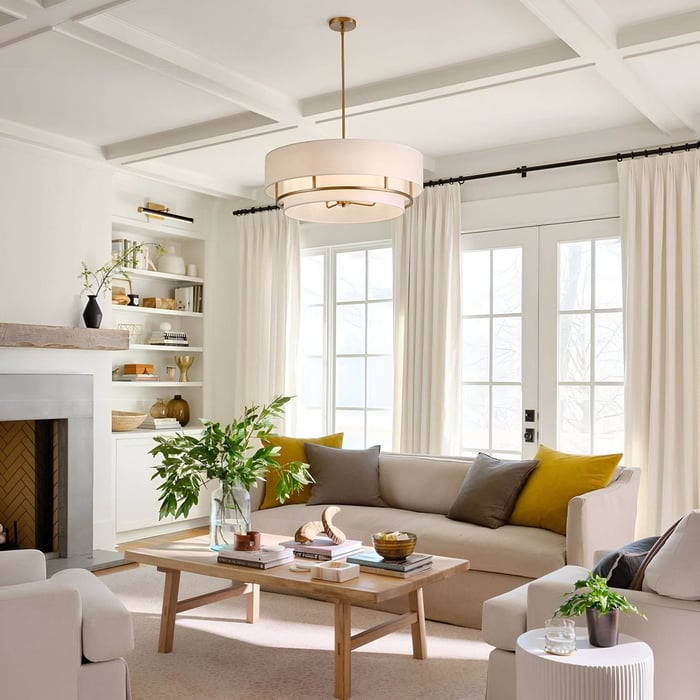
Living Room Lights: Layering and Ambiance
The living room often requires flexibility, transitioning from bright family gatherings to quiet relaxation. Here, cluster pendant lights excel by offering both coverage and aesthetic character. Multi-light configurations allow for visual interest without overwhelming the ceiling space.
Design Considerations:
Place pendants strategically over seating areas or reading corners.
For large spaces, consider two or three pendant groups to create balance.
Mix materials such as metal, fabric, and glass for depth and dimension.
Energy efficiency is increasingly important, making LED pendant lights a strong choice. LEDs deliver powerful illumination while keeping energy costs low. They also provide color-control options, allowing you to shift from cooler tones for daytime to warmer hues for evening relaxation.
Pendant lighting in living rooms should complement other layers of light. Combine pendants with wall sconces and floor lamps to achieve a soft, multidimensional glow. This approach highlights architectural features, artwork, and furniture while ensuring the space remains adaptable.
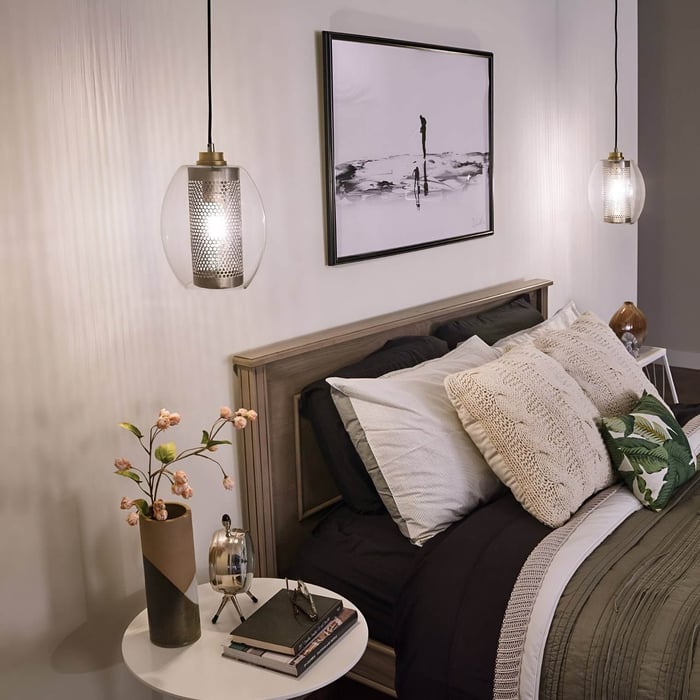
Bedroom Lights: Soft and Subtle Glow
Bedrooms benefit from lighting that soothes. Bedroom pendant lighting is becoming increasingly popular as an alternative to traditional table lamps. Suspended fixtures on either side of the bed free up surface space and create an elegant symmetry.
Lighting Tips:
Hang pendants 20–24 inches above the nightstand for ideal balance.
Choose frosted or fabric shades for a diffused, calming light.
Incorporate dimmable switches or smart bulbs to adjust brightness for reading or relaxation.
Material selection should reflect the room’s character. Glass or linen shades offer a clean and tranquil aesthetic, while metal or rattan pendants bring texture and visual warmth. Matching pendants with your bed frame finish or curtain rods can subtly tie the space together.
If you have high ceilings, consider vertically elongated pendants for drama. For smaller rooms, compact designs with integrated LEDs keep things simple while saving space.
Entryway and Hallway Lighting: First Impressions
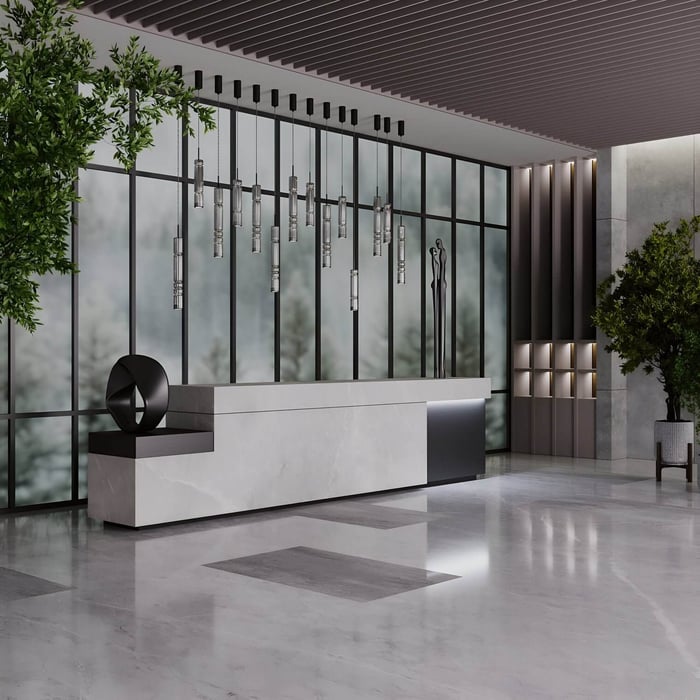
Your home’s entryway is the first area guests see, and pendant lights make a striking impression when chosen thoughtfully. For double-height foyers, bold sculptural fixtures or modern pendant lights with multiple tiers can create an eye-catching centerpiece.
In more compact hallways, simplicity is key. Choose single glass pendant lights or subtle metal designs that maintain brightness without overwhelming the area. The goal is to make the space feel open, bright, and inviting.
When installing pendants in transitional spaces, follow the pendant light height guide carefully. Maintain at least 7 feet of clearance below the fixture in walkways or entryways to ensure safe passage and visual comfort. If the ceiling is particularly high, you can use longer suspension rods to keep the fixture proportionate to the space.
Pair entryway pendants with wall sconces or recessed lights to eliminate shadows and create a layered, cohesive look that flows into adjoining rooms.
Design Tips and Finishes
The finish of your pendant affects how it interacts with its surroundings. Finishes can either blend seamlessly with décor or serve as bold contrast points.
Popular Finishes:
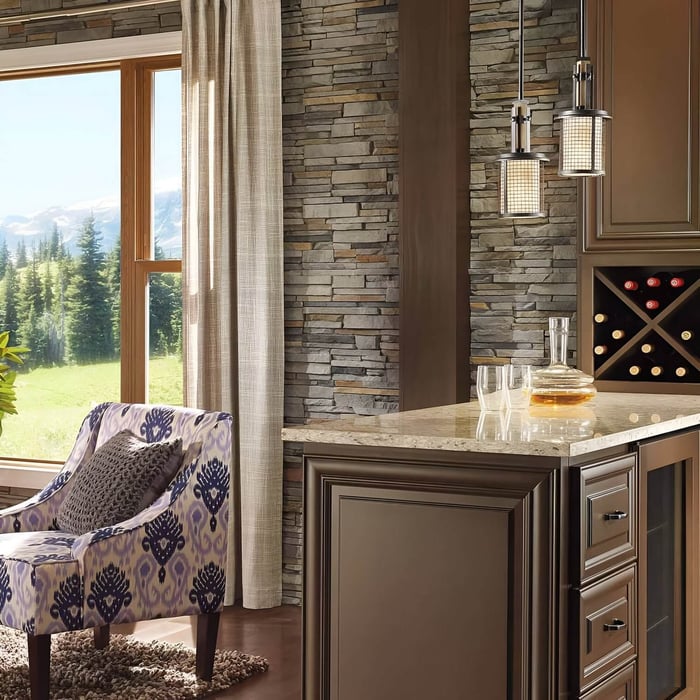
Brushed brass: timeless, warm, and versatile; adds sophistication to both modern and traditional interiors.
Matte black: dramatic and contemporary; ideal for kitchens and industrial-style spaces.
Chrome and glass: reflective and bright, perfect for modern and coastal homes.
Aged bronze: earthy and textured, excellent for rustic or farmhouse interiors.
When coordinating finishes, match pendants with cabinet hardware, door handles, or furniture accents for visual consistency. Avoid mixing too many metal tones in a single space, but don’t be afraid to combine matte and gloss textures for balance.
Emerging pendant lighting ideas emphasize sustainability and artistry. Look for handcrafted designs using natural materials like bamboo, linen, or recycled glass. Sculptural forms inspired by organic shapes are increasingly popular, blurring the line between lighting and art.
Placement, Height, and Balance
Getting proportions right is essential. Poorly placed or scaled fixtures can make ceilings feel lower and disrupt visual flow.
Pendant Light Height Guide:
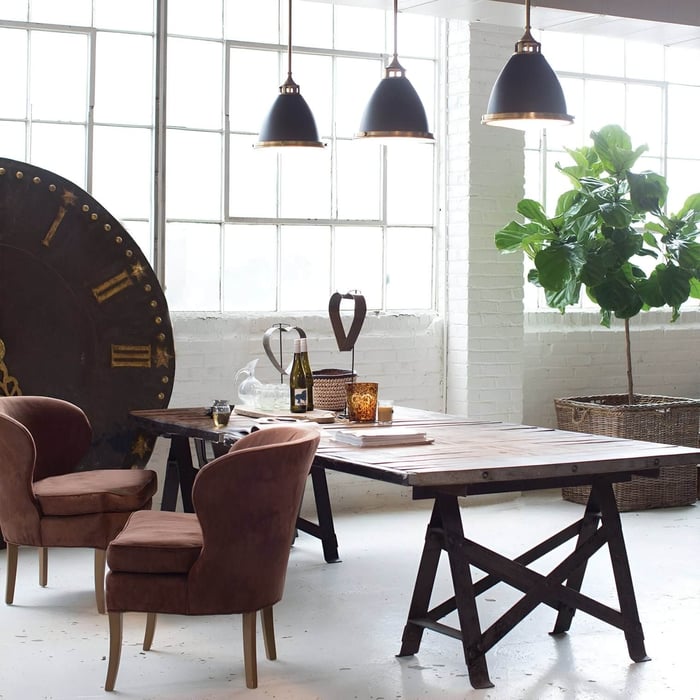
Above tables and islands: 30–36 inches from the surface to the fixture bottom.
In open spaces: maintain at least 7 feet of clearance.
Stairwells or double-height foyers: ensure the lowest pendant sits above head level on upper landings.
To achieve visual harmony, think in layers. Large, dramatic pendants work beautifully in open spaces, while smaller, minimal fixtures fit best in narrow hallways or intimate corners. Combine two or three pendants of varying shapes or sizes for artistic balance.
When deciding how to hang pendant lights, consider both the angle of light and the overall geometry of your room. In symmetrical layouts, align fixtures along the central axis of tables or seating areas. In more organic designs, stagger heights to add movement and texture.
Proportion also depends on room dimensions. For example, a small pendant may appear lost in a vaulted ceiling, while an oversized fixture in a compact room can feel intrusive. Use visual weight - color, material, and opacity, to balance scale.
Maintenance and Longevity
To preserve the quality and brightness of your pendant lights, regular care is key. Dust glass shades and wipe metal finishes with a soft cloth to prevent tarnish. For intricate designs, use compressed air or a microfiber duster to reach detailed areas.
LED and energy-efficient bulbs can last years, but they still benefit from occasional cleaning to maintain optimal brightness. Check hanging rods and cables annually to ensure they remain secure. If your pendants use smart bulbs or dimmable switches, update software or recalibrate brightness settings periodically for consistent performance.
Conclusion
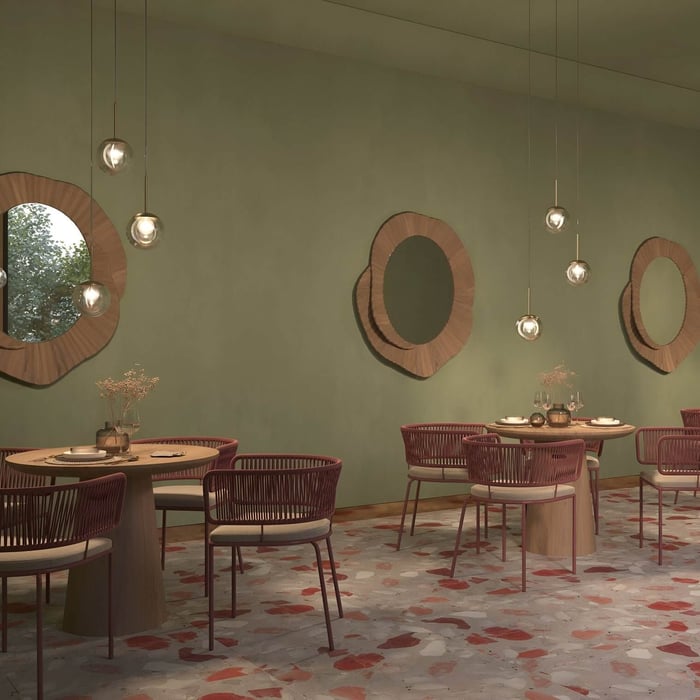
The right lighting transforms a house into a home. Pendant lights bridge beauty and practicality, offering a way to express style while enhancing every room’s function. From the precision of kitchen island pendant lights to the charm of bedroom pendant lighting, each fixture contributes to atmosphere and design balance.
When choosing pendants, consider room size, ceiling height, and finish coordination. Layer different light sources for dimension, and use dimmable or LED options for comfort and efficiency. The result is a home that feels cohesive, stylish, and well-lit in every corner.
FAQs
How high should pendant lights hang above a kitchen island?
Pendant lights should hang about 30 to 36 inches above the countertop. This height ensures enough clearance for sightlines while providing focused light for tasks and dining.
What size pendant light works best over a dining table?
Choose dining room pendant lights that are about half the width of your table. This proportion provides balance without overwhelming the space and maintains even light coverage.
Are LED pendant lights better than traditional bulbs?
Yes. LED pendant lights are energy-efficient, last significantly longer, and offer adjustable color temperatures. They’re ideal for kitchens, living rooms, and modern interiors.
Can pendant lights be dimmed for different moods?
Absolutely. Many dimmable pendant lights can be paired with compatible switches or smart dimmers. This allows you to adjust brightness for ambiance, dining, or reading.
What are the latest pendant lighting ideas for modern homes?
Current pendant lighting ideas focus on layered illumination, sculptural forms, and mixed materials like glass, brass, and matte black. These combinations add depth and style to every room.