
Table of Contents
- Introduction
- Defining Traditional Table Lamps
- Understanding Modern Table Lamps
- Transitional Table Lamps - The Perfect Blend
- Functional Comparison - Dimming, Bulbs, and Controls
- Mixing Modern and Traditional Lighting
- Choosing the Right Lamp for Each Room
- Design Consistency and Finishes
- Conclusion
- FAQs
Introduction
Table lamps are more than sources of light, they are integral design elements that set the tone of a space. Whether you prefer the ornate elegance of traditional table lamps or the clean geometry of modern styles, choosing the right one can completely redefine a room’s character. Traditional pieces evoke warmth, craftsmanship, and timeless sophistication, while modern table lamps emphasize simplicity, innovation, and sleek materials.
This guide compares both styles side by side, helping you understand their design language, functionality, and how to combine them harmoniously. By the end, you will know exactly how to mix modern and traditional lighting to create spaces that feel both classic and contemporary. 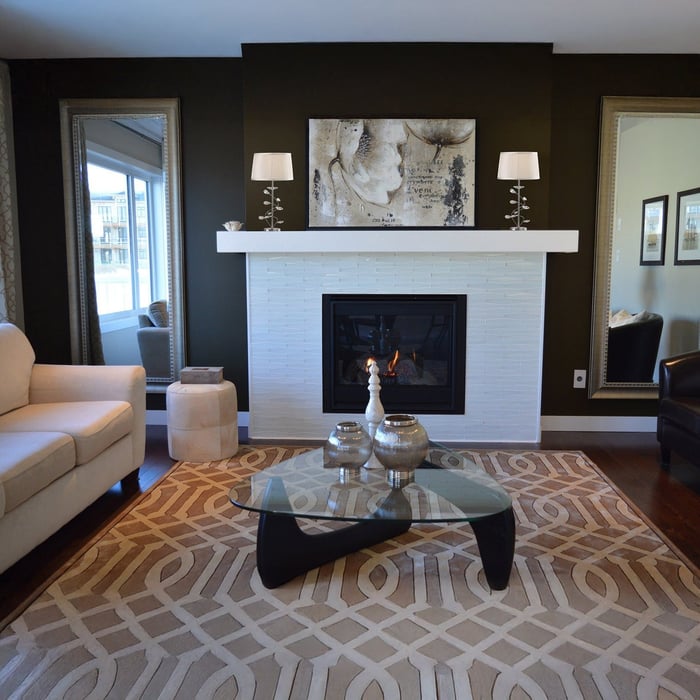
Defining Traditional Table Lamps
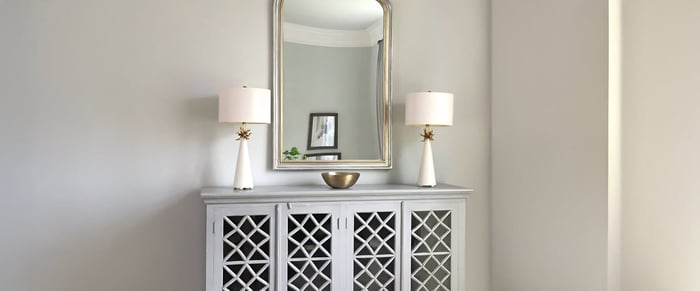
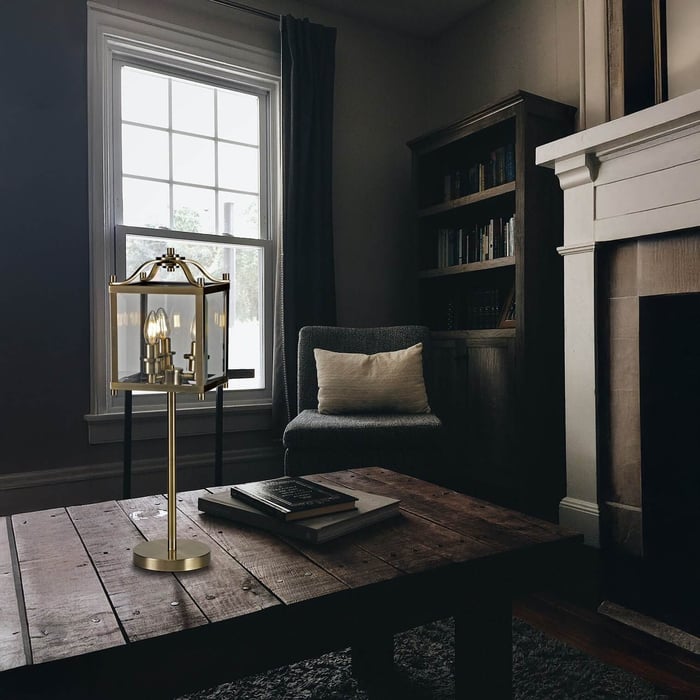
Traditional table lamps represent enduring beauty and old-world craftsmanship. They often feature ornate detailing, curved silhouettes, and rich finishes inspired by historical décor. Common materials include polished brass, ceramic, stained glass, and carved wood, each adding texture and visual depth to a room.
Design Characteristics:
Decorative lamp bases featuring scrollwork, floral motifs, or hand-painted finishes.
Tapered or pleated shades that diffuse light softly.
Warm metallic finishes like gold, bronze, or antique brass.
Best for: Living rooms, libraries, and bedrooms that celebrate heritage, comfort, and layered texture.
These lamps embody classic lighting styles, where form and ornamentation carry emotional resonance. They complement traditional furniture, patterned fabrics, and period architecture effortlessly.
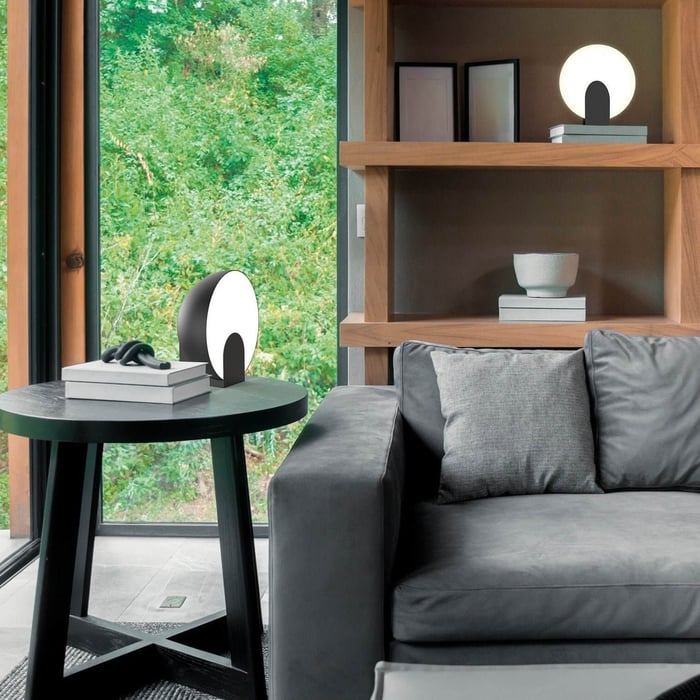
Understanding Modern Table Lamps
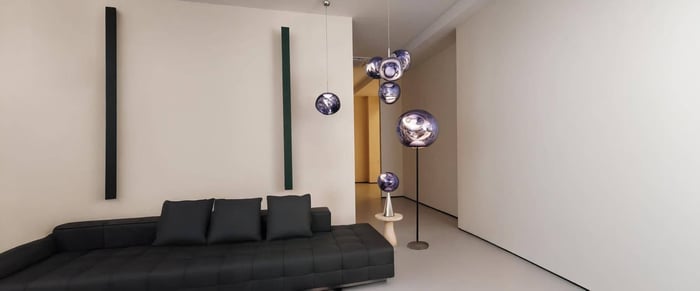
In contrast, modern table lamps embrace simplicity and innovation. Their aesthetic stems from clean lines, geometric shapes, and minimalist materials that reflect contemporary living. Functionality often takes center stage, but not at the expense of design. Unlike traditional table lamps, which emphasize ornate detail and craftsmanship, modern lamps prioritize precision and purposeful restraint.
Design Characteristics:
Streamlined bases made from metal, glass, or marble.
Neutral tones - matte black, brushed nickel, and chrome dominate.
Integrated LED technology for efficiency and versatility.
Emerging Lamp Design Trends (2025):
Sculptural bases that double as art pieces.
Touch-control dimmers and color-temperature adjustment.
Wireless charging pads and smart-home connectivity.
While traditional table lamps bring warmth and heritage, modern designs thrive in open, uncluttered spaces where their silhouette becomes a focal point. They embody forward-thinking lamp design trends, lighting that feels effortless yet intentional.
Transitional Table Lamps - The Perfect Blend
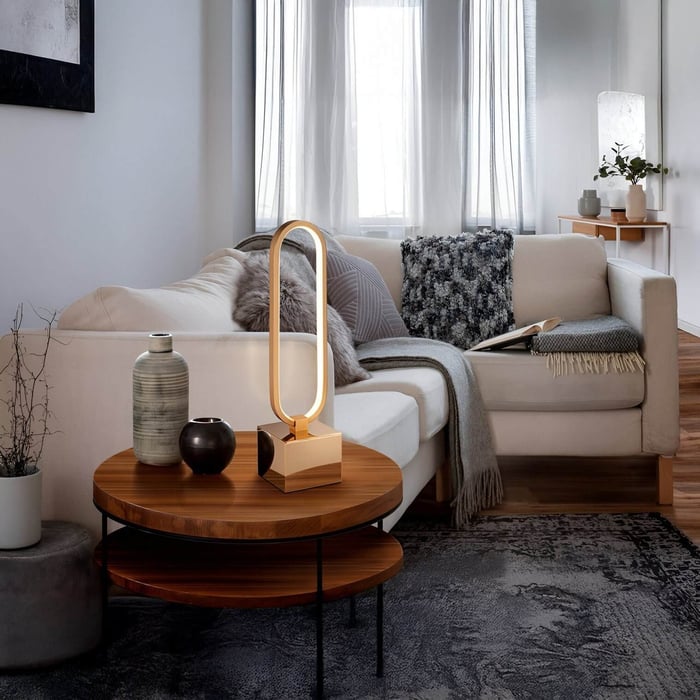
When traditional and modern worlds meet, transitional table lamps emerge as the perfect bridge. They borrow the warmth and materials of classic design but simplify shapes and finishes for a fresher appeal.
Why They Work:
They harmonize traditional elegance with modern restraint.
Their neutral color palettes fit in both contemporary and heritage settings.
They provide flexibility when updating rooms gradually.
Styling Tips:
Choose a lamp with a classic ceramic base but a crisp white drum shade.
Mix metal finishes - a bronze lamp with brushed-steel accents feels transitional and current.
Use matching pairs to create visual balance on console or bedside tables.
Transitional designs capture the best of both aesthetics, making them ideal for evolving homes that value both nostalgia and modernity.
Functional Comparison - Dimming, Bulbs, and Controls
Technology has transformed how table lamps function, offering users far more control over brightness, color, and efficiency. While traditional table lamps were designed with simplicity in mind, relying mainly on standard bulbs and on-off switches, modern options integrate advanced smart features that enhance flexibility and performance.
Traditional Functionality:
Traditional table lamps typically use incandescent or halogen bulbs that emit warm, ambient tones.
Most rely on rotary or inline switch controls, focusing on atmosphere rather than customization.
Maintenance is straightforward, but bulb lifespan is shorter compared to modern lighting systems.
Modern Functionality:
Built-in dimming and smart-home compatibility are now standard features.
Adjustable color temperatures allow you to shift from warm white for relaxation to bright daylight for tasks.
Some models even include USB ports, wireless charging pads, or app-based controls for convenience.
For maximum flexibility, dimmable table lamps offer the best of both worlds. They preserve the cozy warmth associated with traditional aesthetics while integrating the efficiency and control features of modern lighting. Pairing dimmers with LED or energy-saving bulbs ensures consistent brightness, energy efficiency, and long-term comfort.
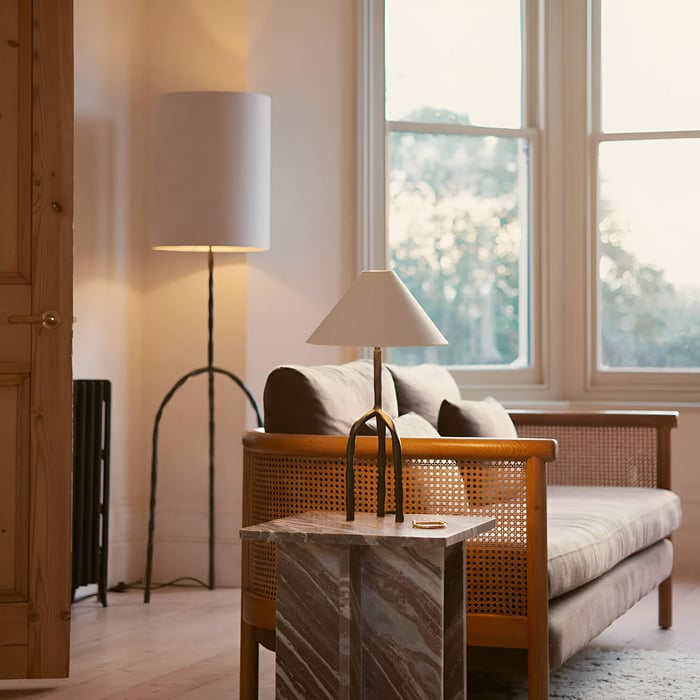
Mixing Modern and Traditional Lighting
Blending different styles may seem daunting, but when executed thoughtfully, it produces layered, dynamic interiors. The key is balance, allowing each piece to complement, not compete with, the other.
Practical Tips for Mixing:
Pair a traditional table lamp base with a minimalist linen or glass shade to bridge eras.
Use symmetry, place one traditional table lamp on one side of the room and a sleek modern table lamp on the other to maintain visual harmony.
Keep finishes cohesive; for example, warm brass or antique bronze pairs beautifully with matte black or brushed nickel.
Layer illumination by combining table lamps with wall sconces or floor lights to prevent one style from dominating.
The art of mixing modern and traditional lighting lies in contrast. Combining detailed craftsmanship with contemporary geometry creates tension, interest, and depth - resulting in interiors that feel sophisticated, inviting, and timeless.
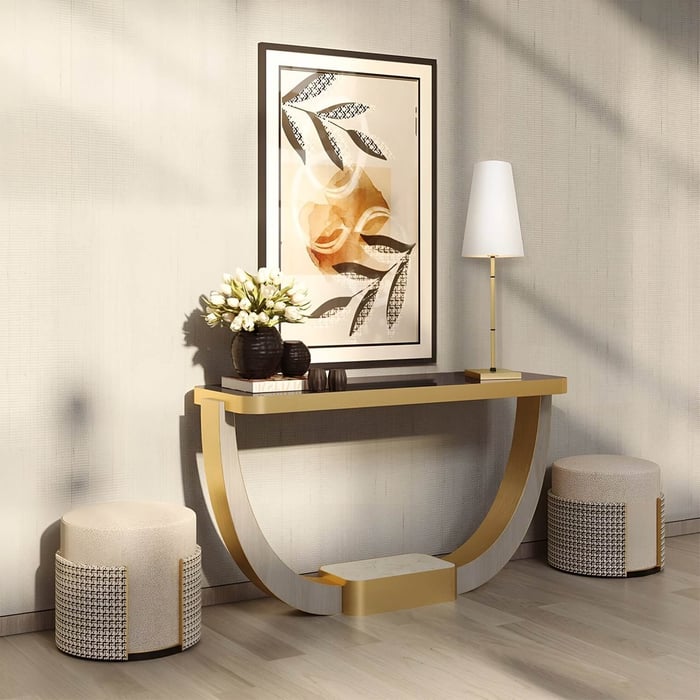
Choosing the Right Lamp for Each Room
Each room demands a slightly different approach. By considering scale, height, and purpose, you can decide which type of lamp best suits your environment.
Living Room:
Traditional table lamps enhance cozy seating areas.
Use transitional lamps for versatility if your space blends modern furniture with classic architecture.
Bedroom:
Modern or dimmable table lamps are perfect for bedside reading.
Pair soft fabric shades with LED bulbs to maintain ambiance without harsh glare.
Home Office:
Choose modern table lamps with adjustable arms or built-in USB ports for productivity.
Entryway or Hallway:
Transitional lamps work well here, offering a welcoming glow that feels timeless.
Balancing aesthetic appeal with functionality ensures lighting supports how each room is used.
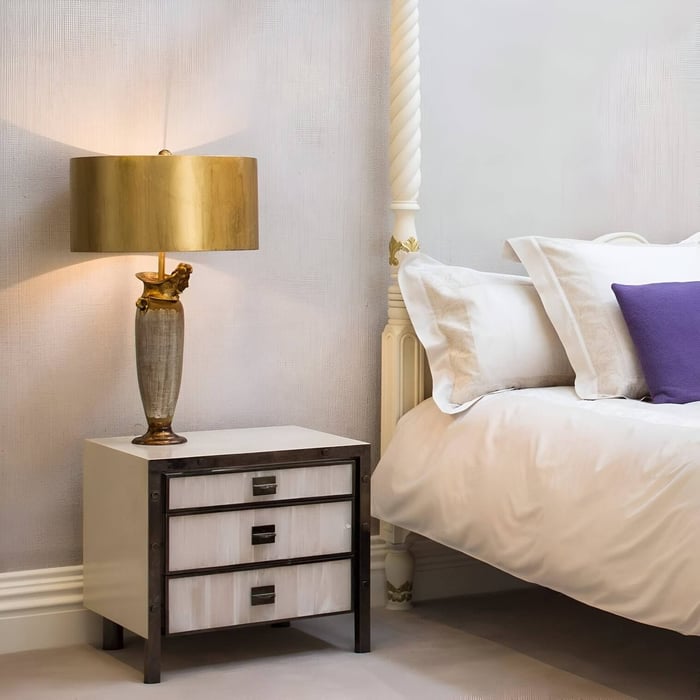
Design Consistency and Finishes
Selecting the right finishes and materials brings visual cohesion to your lighting plan. When pairing lamps from different eras, look for shared elements that tie the look together.
Key Guidelines:
Keep color temperature consistent across bulbs.
Repeat finishes - a brass base on a table lamp can echo brass hardware or picture frames.
For contemporary settings, matte black and brushed steel maintain modern precision.
In traditional homes, ceramic or glass lamps with fabric shades reinforce classic lighting styles.
Your lighting doesn’t have to match perfectly, but it should belong to the same visual conversation. Contrast should feel deliberate, not random.
Conclusion
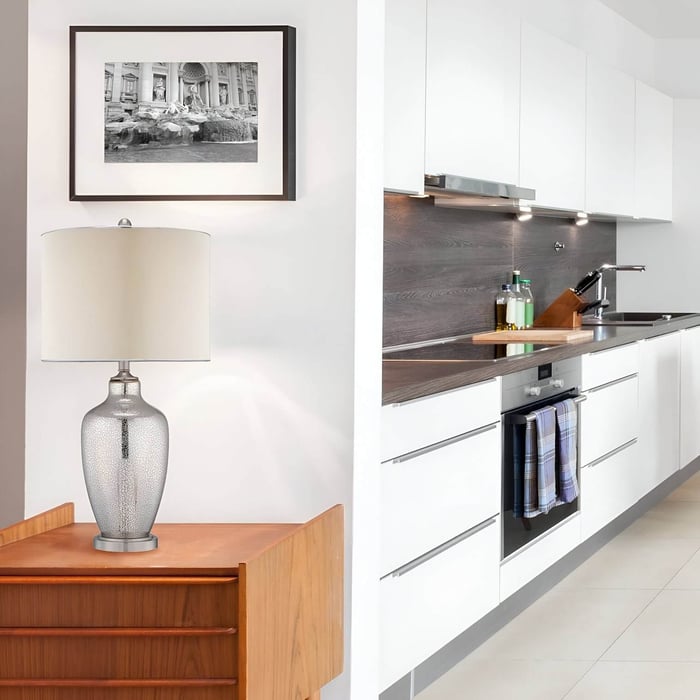
Choosing between traditional table lamps and modern table lamps isn’t about picking sides, it’s about creating balance. Traditional designs bring timeless charm and craftsmanship, while modern pieces introduce sleek innovation. By combining both thoughtfully, you achieve interiors that feel layered, personal, and enduring. Lighting, after all, isn’t just functional - it’s the finishing touch that defines atmosphere, emotion, and design harmony.
FAQs
What defines traditional table lamps?
Traditional table lamps feature ornate designs, rich finishes, and timeless silhouettes. They often include brass, ceramic, or stained glass bases with fabric or pleated shades, reflecting classic lighting styles rooted in craftsmanship.
How do modern table lamps differ from traditional ones?
Modern table lamps use sleek materials like metal, marble, or glass and feature minimalist designs. They emphasize function and simplicity, often incorporating LED technology, touch controls, and dimmable lighting options.
What are transitional table lamps?
Transitional table lamps blend traditional warmth with modern simplicity. They combine materials like bronze or ceramic bases with clean-lined shades, making them ideal for homes that mix classic and contemporary décor.
Can I mix modern and traditional lighting in the same room?
Yes. Mixing modern and traditional lighting adds depth and balance to interiors. The key is consistency in finishes and light tone, for example, pairing a traditional lamp base with a modern linen shade or coordinating metal accents across the room.
Are dimmable table lamps worth investing in?
Absolutely. Dimmable table lamps offer flexibility, letting you adjust brightness for reading, ambiance, or relaxation. They also extend bulb lifespan and enhance energy efficiency in both traditional and modern settings.