
Table of Contents
- Introduction
- What Makes Alabaster Chandeliers Different?
- When Should You Use Alabaster Chandeliers in a Dining Room?
- How Do You Choose the Right Alabaster Chandelier for a Dining Room?
- Are Modern Alabaster Chandeliers Suitable for High Ceilings?
- Can Alabaster Chandeliers Work in Smaller Dining Rooms?
- When Should You Avoid Using Alabaster in Dining Spaces?
- Common Mistakes to Avoid
- Styling Guidance for Dining Rooms with Alabaster Chandeliers
- Quick Summary
- Conclusion
- FAQs
Introduction
Alabaster chandeliers bring softness, depth and quiet luxury to dining interiors. When chosen and positioned well, they transform an ordinary dining area into a space that feels considered and welcoming. They are especially suited to those who want atmosphere rather than glare, and elegance without unnecessary ornament.
Dining rooms demand a particular kind of lighting. They should feel intimate in the evening, bright enough for family meals, and refined enough for hosting guests. The material and placement of the fixture make all the difference. Understanding when to use alabaster chandeliers ensures the room feels balanced rather than overdesigned.
This guide explores when alabaster is the right choice, how to use it properly, and how to avoid common mistakes.
What Makes Alabaster Chandeliers Different?
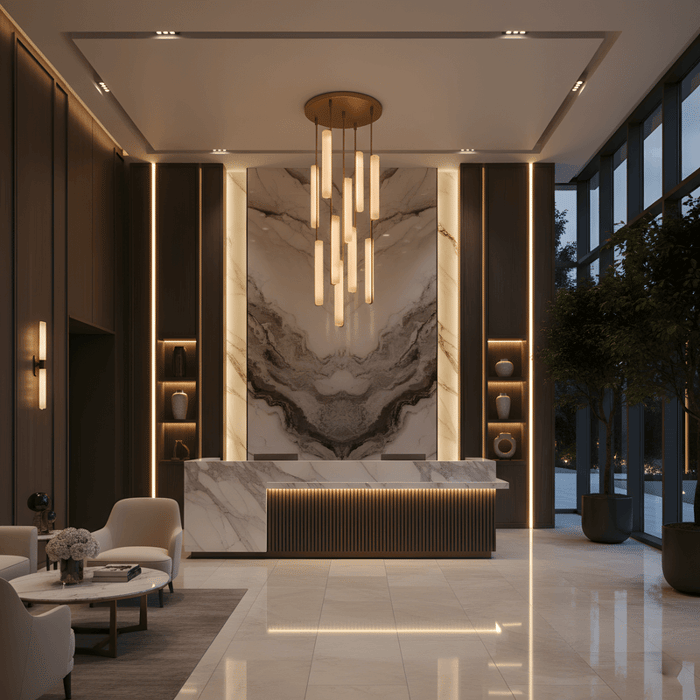
Alabaster chandeliers stand out because they diffuse light through natural stone rather than glass or fabric.
Alabaster is a translucent material with delicate organic veining. When illuminated, it produces a warm, even glow that softens shadows and flatters skin tones. Unlike crystal, it does not sparkle sharply. Unlike exposed bulbs, it does not create harsh glare.
The result is:
Gentle, ambient light
A sculptural focal point
A finish that feels architectural rather than decorative
Subtle variation, as every stone piece is unique
Because of these qualities, alabaster is particularly suited to dining environments where comfort and mood matter more than brightness alone.
When Should You Use Alabaster Chandeliers in a Dining Room?
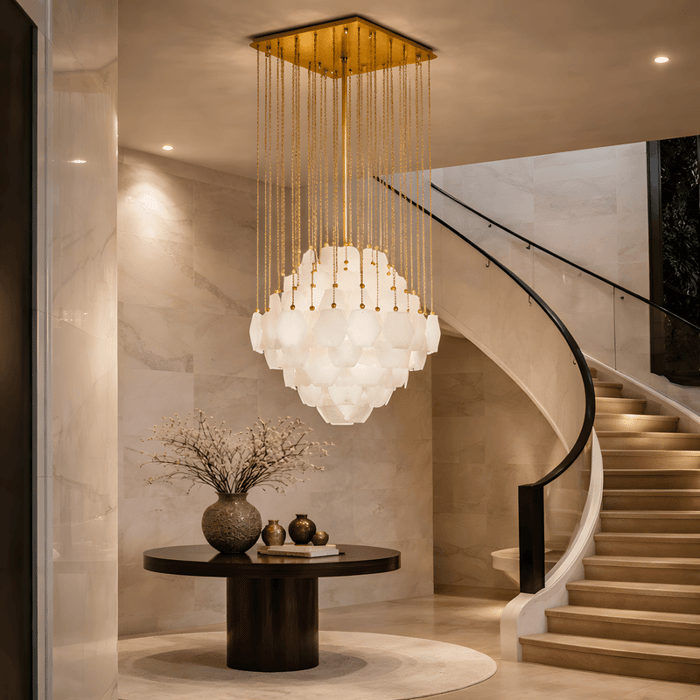
You should use alabaster chandeliers when warmth, softness and timeless character are the priority.
There are several situations where they perform especially well.
When You Want a Calm, Inviting Atmosphere
Dining rooms are social spaces. People sit for extended periods, often in the evening. Alabaster’s diffused glow reduces contrast and eliminates sharp shadows across the table.
This makes it ideal for:
Dinner parties
Open-plan dining areas
Homes with cooler paint tones that need warmth
Minimal interiors that feel slightly stark
The light feels layered and comfortable rather than clinical.
When You Want a Statement Without Excess
Alabaster provides visual interest through material rather than complexity.
If your dining room includes:
Solid timber tables
Linen or boucle chairs
Stone flooring or plaster finishes
Brushed brass or bronze details
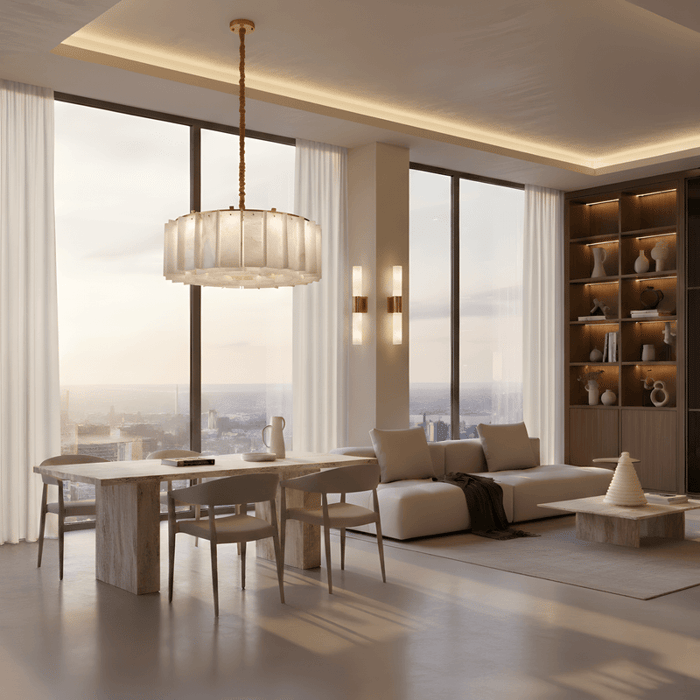
An alabaster chandelier adds presence without competing with other elements. It anchors the table while keeping the overall look restrained.
When Longevity Matters
Many clients ask whether alabaster chandeliers are timeless. The answer is yes.
Alabaster has been used in interiors and architecture for centuries. While shapes evolve, the material remains relevant. Whether in traditional homes or modern spaces, it carries a sense of permanence that trend-driven fixtures often lack.
How Do You Choose the Right Alabaster Chandelier for a Dining Room?
The correct size and proportion are essential when selecting an alabaster chandelier for dining room use.
Follow this structured approach.
Step 1: Measure Your Dining Table
The chandelier should generally measure between half and two-thirds of the table width.
For example:
100cm wide table → 50-65cm chandelier
220cm long rectangular table → consider a linear design
The fixture should always be centred over the table, not the room.
Step 2: Consider Ceiling Height
Ceiling height determines the style of fixture.
Standard 2.4m ceilings: choose a slim suspension or close-to-ceiling design
2.7m and above: suspended pieces create stronger presence
Double-height ceilings: vertical or tiered forms work best
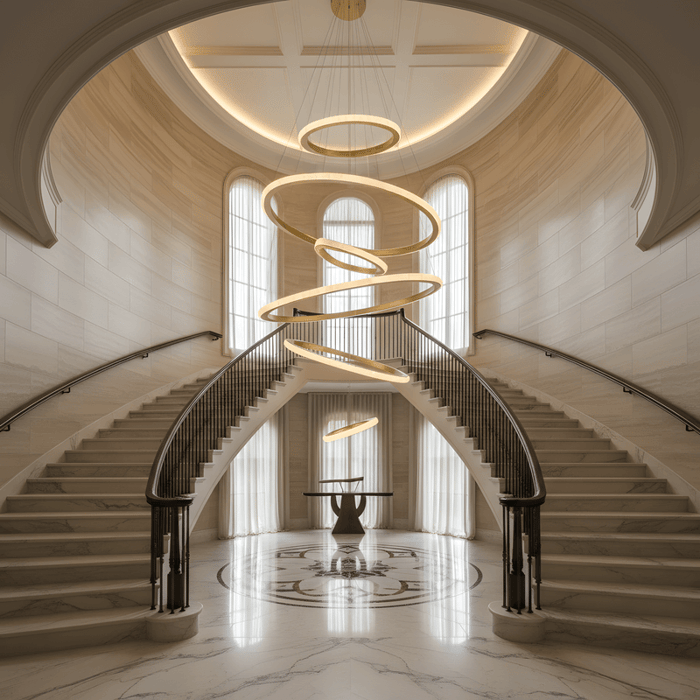
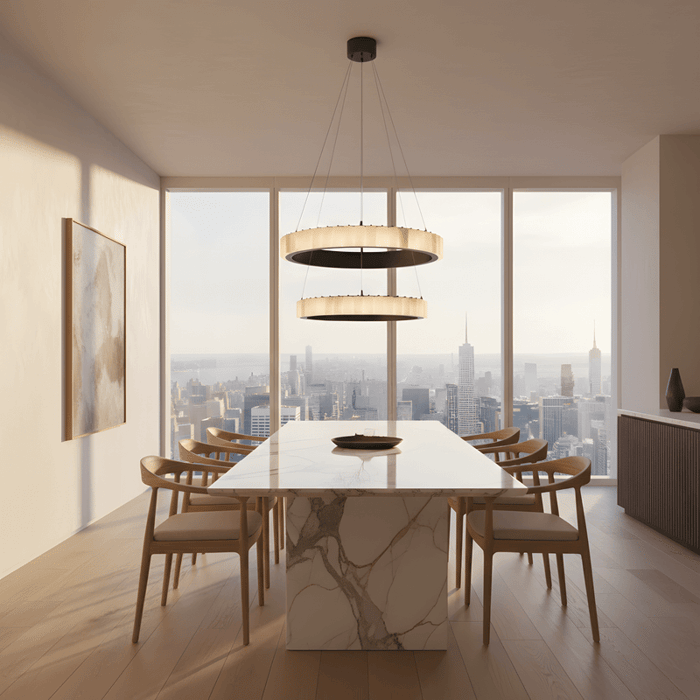
Modern alabaster chandeliers for high ceilings often feature layered rings or cascading drops that fill vertical space without feeling heavy.
Step 3: Plan the Hanging Height
Position the bottom of the chandelier approximately 75-90cm above the dining table surface.
This height:
Keeps sightlines clear
Creates intimacy
Prevents glare
Step 4: Layer the Lighting
A chandelier alone rarely completes the scheme.
Combine it with:
Wall lights
Recessed downlights
Lamps on nearby sideboards
For example, pairing the main feature with alabaster ceiling lights elsewhere in the room maintains material consistency.
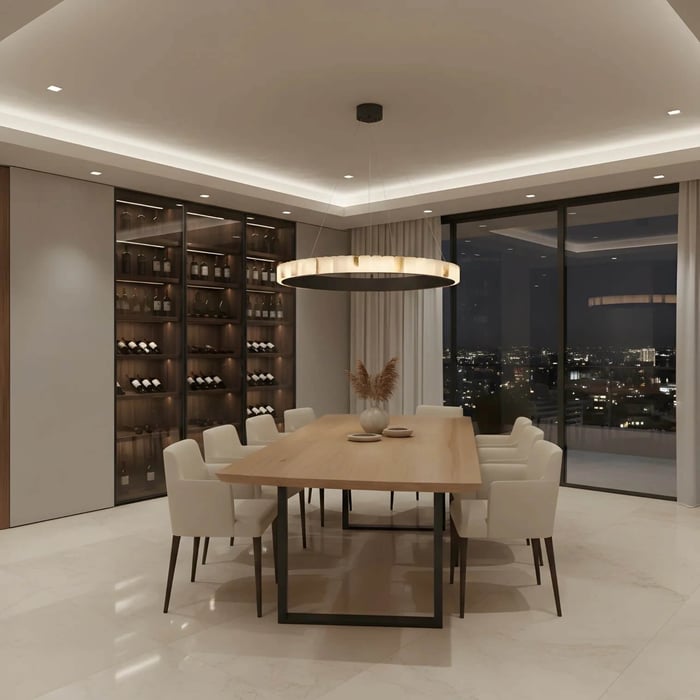
Are Modern Alabaster Chandeliers Suitable for High Ceilings?
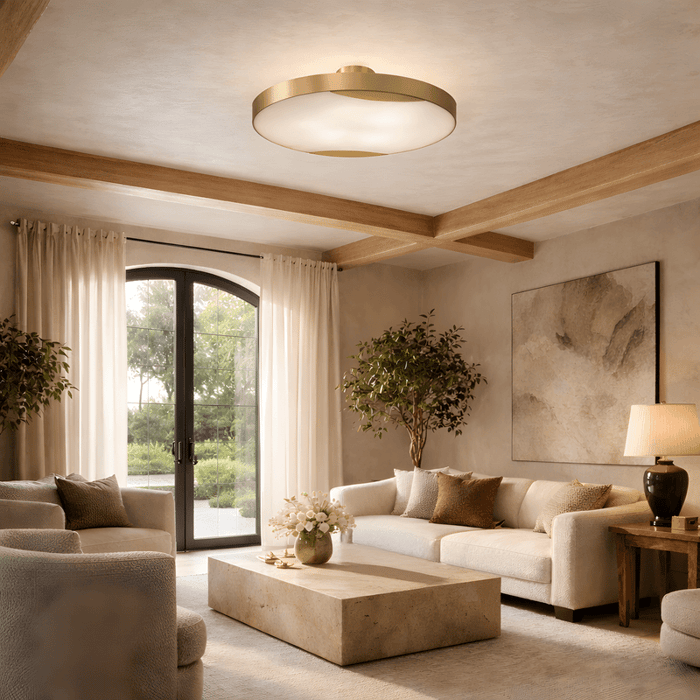
Yes, they are particularly effective in tall dining spaces.
High ceilings can feel empty or echoing without a strong central fixture. A vertical alabaster installation visually lowers the ceiling and introduces warmth.
In double-height rooms, consider:
Tiered circular forms
Elongated linear drops
Clustered pendants at staggered heights
Because alabaster softens the light source, even large fixtures avoid harsh brightness. The stone diffuses illumination evenly, creating a balanced glow that suits expansive volumes.
Can Alabaster Chandeliers Work in Smaller Dining Rooms?
They work beautifully when scaled correctly.
Small dining spaces benefit from alabaster because it avoids visual clutter. A compact design keeps the ceiling feeling open while still acting as a focal point.
Small alabaster chandelier ideas include:
Slim disc-shaped fittings
Narrow linear pendants
Single sculptural drops
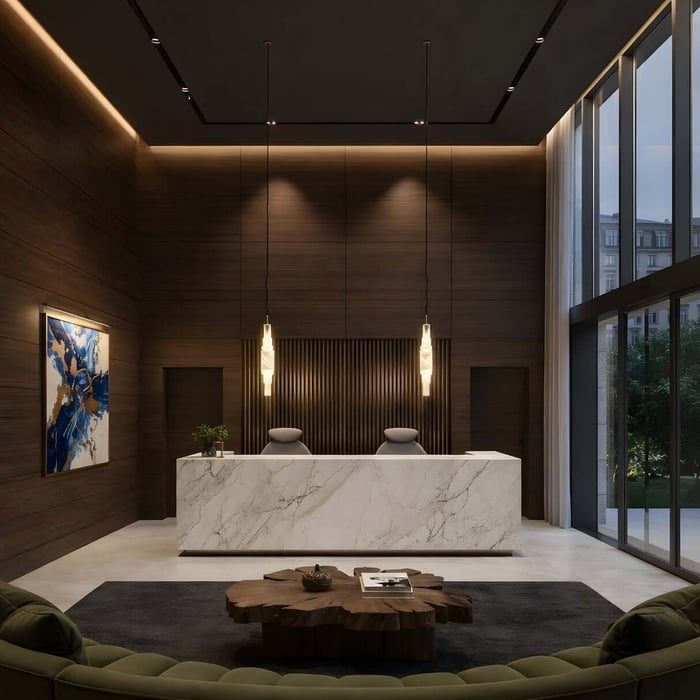
In tighter rooms, combining the main fixture with subtle alabaster pendant lighting over a nearby console or sideboard can extend the design language without overcrowding the ceiling.
The key is proportion. Oversized fittings will dominate the room, while correctly scaled ones create intimacy.
When Should You Avoid Using Alabaster in Dining Spaces?
You should reconsider alabaster if the room requires highly directional or task-focused light.
For example:
Commercial dining environments needing strong brightness
Extremely dark interiors with limited supplementary lighting
Spaces that rely on sparkle or decorative drama
Alabaster excels at ambient lighting, not spotlighting.
Common Mistakes to Avoid
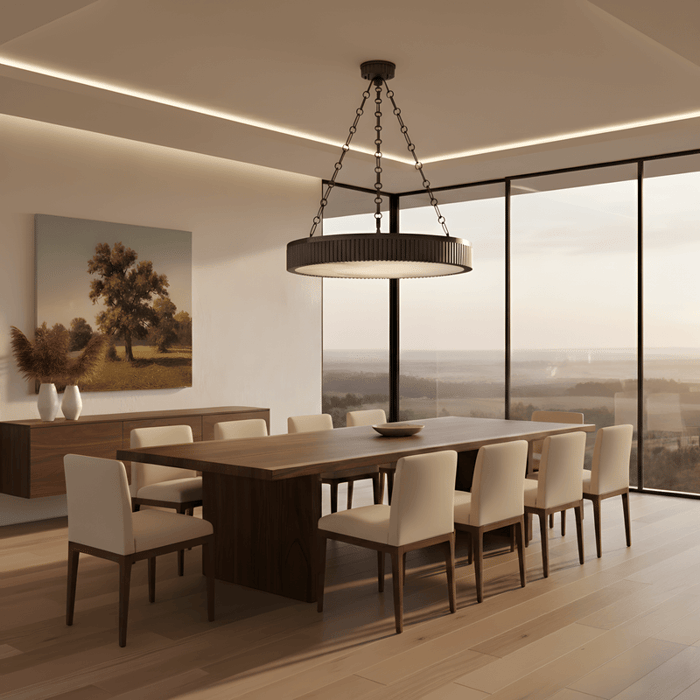
The most frequent issue is incorrect scale.
Other mistakes include:
Hanging the fixture too high
Choosing cool white bulbs
Ignoring dimming capability
Failing to layer lighting
Always use warm white bulbs between 2700K and 3000K. Cooler tones strip away the material’s warmth.
At Niori, we ensure every alabaster chandelier is installed with a dimmer to adjust atmosphere from everyday dining to evening entertaining.
Styling Guidance for Dining Rooms with Alabaster Chandeliers
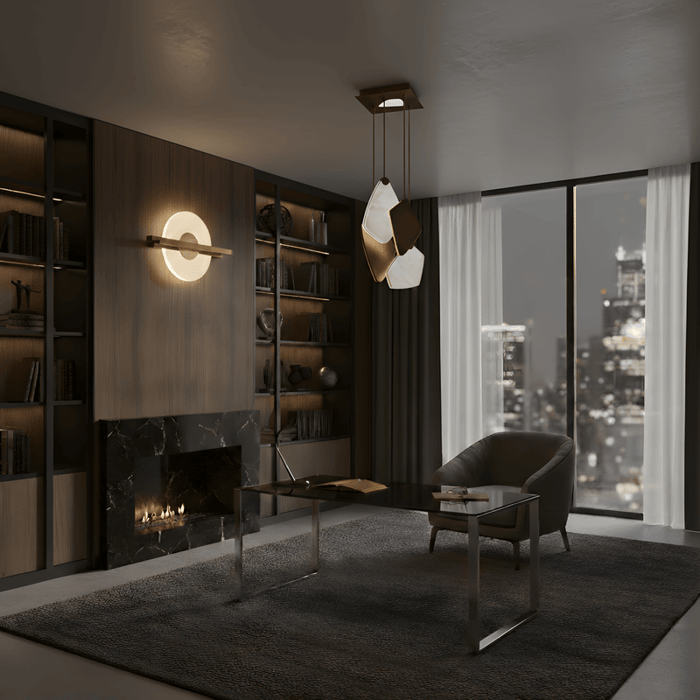
Successful styling keeps the material as the centrepiece.
Pair with Natural Finishes
Alabaster complements:
Oak, walnut and dark-stained woods
Travertine and marble
Linen textiles
Matte metal finishes
The shared natural qualities create cohesion.
Maintain Balance
Avoid overly ornate ceiling medallions or competing decorative fittings. Let the stone speak for itself.
Consider Table Shape
Round tables pair well with circular chandeliers
Rectangular tables suit linear forms
Long tables may require double fixtures
Proportion and alignment define the overall effect.
Quick Summary
Alabaster chandeliers are best used in dining rooms where warmth, softness and longevity are the goals. They provide diffused light that flatters people and interiors alike. Proper sizing, correct hanging height and layered lighting are essential. They work equally well in compact rooms and high-ceiling spaces when scaled appropriately. When styled with natural materials and warm bulbs, they create dining spaces that feel calm, refined and enduring.
Conclusion
Alabaster chandeliers are best used in dining rooms that prioritise atmosphere, balance and enduring design. Their natural stone composition produces a warm, diffused glow that flatters both people and interiors. When selected in the correct proportion, positioned at the proper height and combined with layered lighting, they create a dining environment that feels cohesive and inviting. From small spaces to high ceilings, alabaster remains a dependable and timeless choice for refined dining interiors.
FAQs
Are alabaster chandeliers timeless?
Yes, alabaster chandeliers are considered timeless because the material has been used in architecture and sculpture for centuries. Its natural veining and soft glow transcend short-lived design trends.
Is an alabaster chandelier suitable for everyday dining?
Absolutely. Its diffused light is comfortable for daily meals while still feeling special enough for entertaining.
Do alabaster chandeliers give enough light?
They provide excellent ambient light but should be paired with wall lights or lamps for layered illumination. Installing a dimmer ensures flexibility.
How high should an alabaster chandelier hang above a dining table?
Ideally, it should hang 75-90cm above the table surface. This creates intimacy without blocking sightlines.
Are modern alabaster chandeliers good for high ceilings?
Yes, especially vertical or tiered designs. They fill vertical space elegantly without overwhelming the room.
Can I use an alabaster chandelier in a small dining room?
Yes, as long as the scale suits the table. Compact or flush designs are ideal for smaller spaces.
Does alabaster require special maintenance?
Alabaster should be dusted gently with a soft cloth. Avoid harsh cleaners, as it is a natural stone and can be porous.
What dining table shapes work best with alabaster chandeliers?
Round chandeliers suit round tables, while linear designs complement rectangular tables. Always centre the fitting over the table rather than the room.
Will alabaster clash with modern interiors?
Not at all. In fact, its organic texture adds warmth to minimalist and contemporary schemes.
Is alabaster better than glass for dining room lighting?
Alabaster produces softer, warmer light than most glass fittings. If ambience and comfort are priorities, it is often the superior choice.