
Table of Contents
- Introduction
- The Distinctive Materials And Details Of Traditional Lamps
- Updated Materials And Silhouettes In Traditional Table Lamps
- Using Traditional Table Lamps For a Modern-Classic Mix
- Modern Functionality in Traditional Table Lamps
- Creating Balance With Traditional Table Lamps in Any Style
- Traditional Table Lamp Styles That Fit Every Room
- Choosing Finishes, Shades, and Proportions For Table Lamps
- Maintenance And Care Tips For Traditional Table Lamps
- Conclusion
- FAQs
Introduction
Among the most enduring décor elements in interior design, traditional table lamps shape the mood of a space, anchor a room, and quietly elevate surrounding furnishings. Rooted in classic silhouettes and time-honored craftsmanship, they now incorporate cleaner lines and subtle innovations, making them equally at home in modern interiors and heritage-inspired spaces. This guide walks you through how to select, style, and care for these timeless pieces so they integrate seamlessly into any room. From curated design ideas and finishes to smart bulb choices, placement strategies, and maintenance tips, consider this your complete lighting companion.
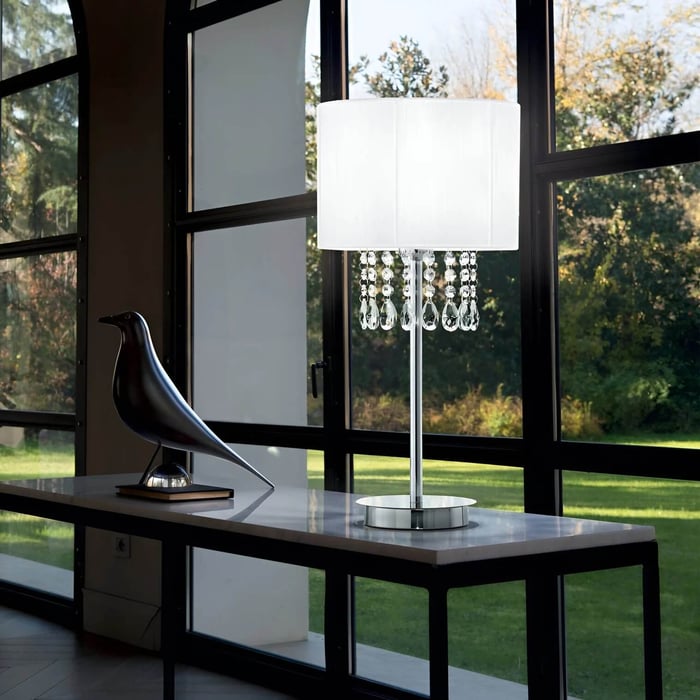
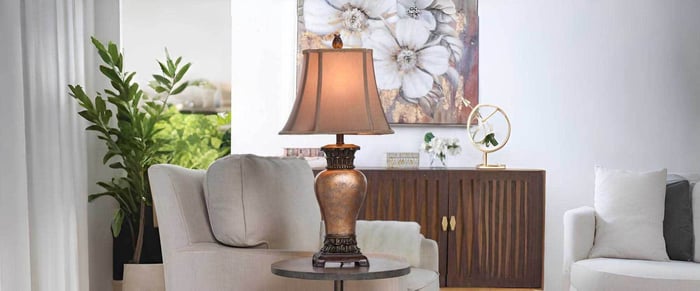
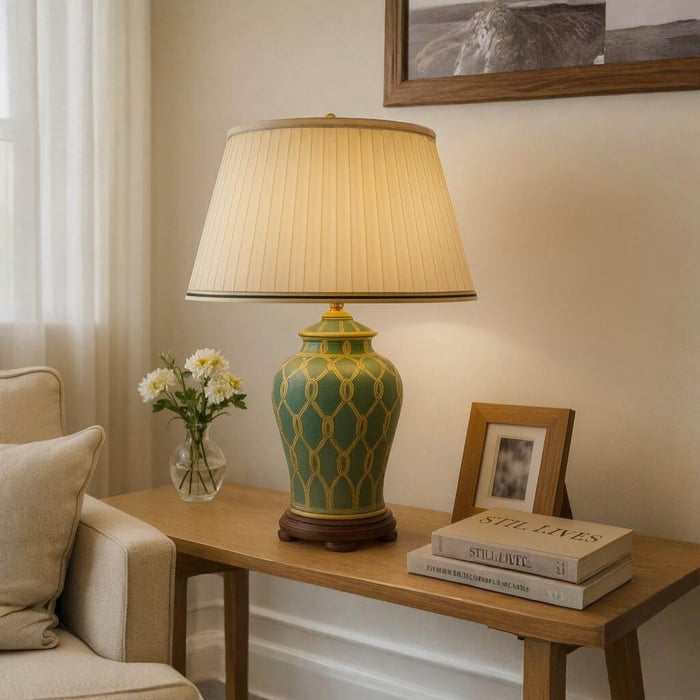
Beyond their structure, these lamps add visual depth through thoughtful detailing. Pleated or fabric shades, sculptural curves, and subtle metallic accents all contribute to a layered, luxurious look that feels considered rather than fussy.
Whether your home leans Victorian, colonial, or transitional, these timeless forms introduce a gentle sense of nostalgia. They warm up a space without overwhelming it, offering a soft, elegant presence that complements both traditional and more contemporary décor.
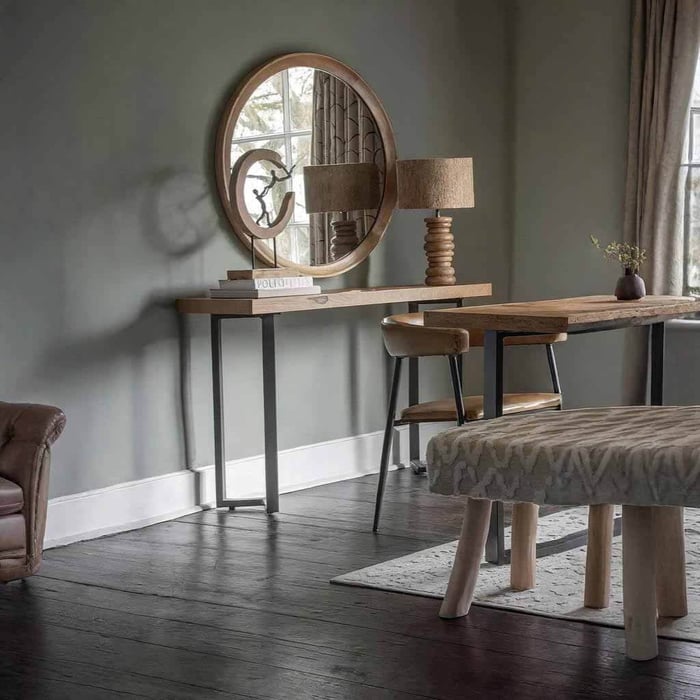
While rooted in heritage, today’s traditional table lamps take on updated silhouettes to meet contemporary needs. Designers are pairing sleek metals with marble, frosted glass, matte ceramics, and streamlined hardware, creating refreshed looks that suit neutral palettes and minimalist rooms, where they sit comfortably alongside modern table lamps for a layered, collected feel.
Current lighting trends highlight quiet luxury, think aged bronze paired with linen shades, glass bodies with ultrathin frames, and LED integration that preserves ambiance while improving efficiency. Even within classic table lamp designs, the focus is on understated elegance and sculptural simplicity that naturally complements modern layouts.
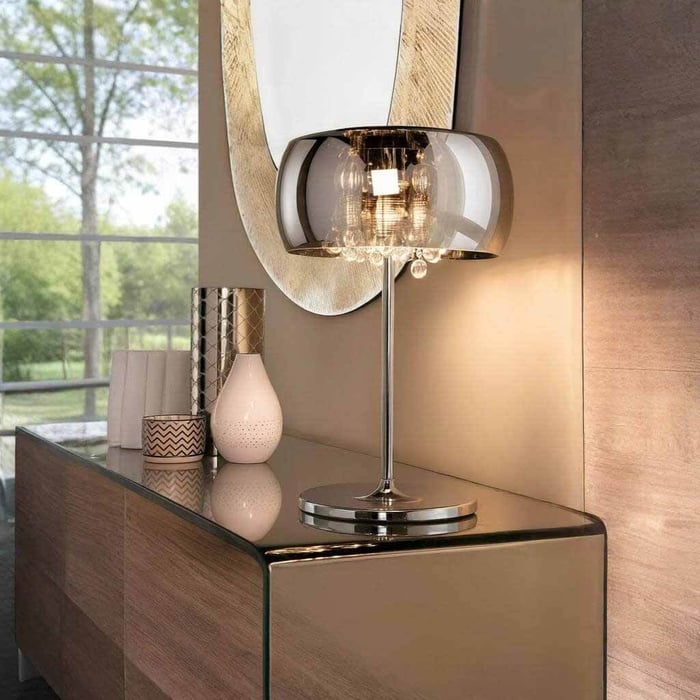
For styling, try mixing materials to create an eclectic but intentional look. A ceramic table lamp with modern contours can soften a room dominated by straight-lined furniture. Likewise, pairing traditional lamp shades and bases with contemporary artwork can add refreshing contrast to an evolving interior.
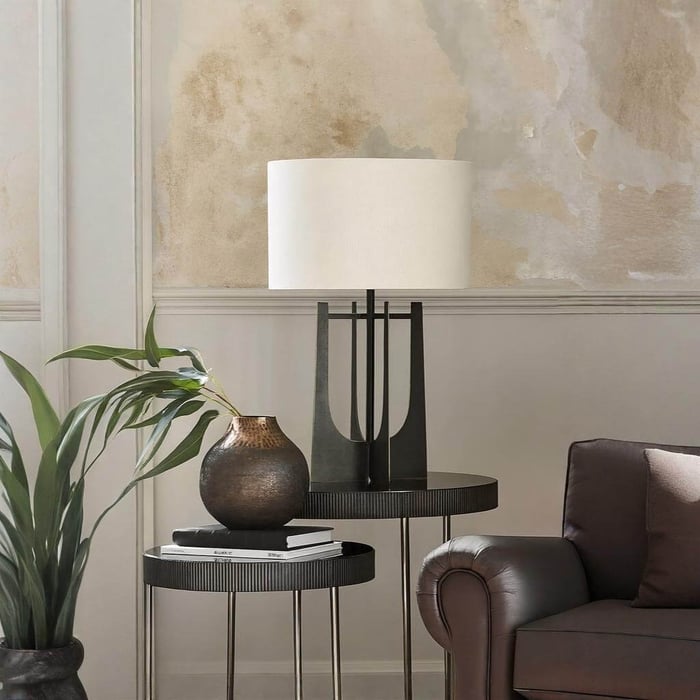
Modern Functionality in Traditional Table Lamps
The usability of traditional table lamps has grown tremendously, especially with the rise of smart-home technology. Many models now offer built-in dimmers, touch controls, or app-enabled features that allow you to personalize lighting for different times of day.
When choosing bulbs, warm white LEDs are ideal for preserving the inviting glow associated with classic fixtures. Their energy efficiency, longevity, and low heat output make them practical for everyday use. Opt for frosted bulbs under fabric or pleated shades to reduce glare and enhance softness in reading areas, offices, or bedside table lamps for classic bedrooms.
Creating Balance With Traditional Table Lamps in Any Style
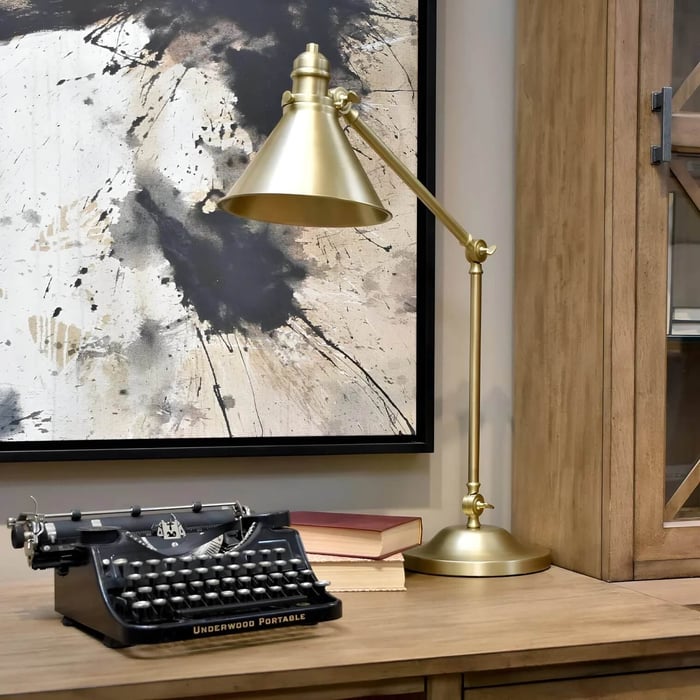
Blending design periods is a hallmark of modern interior styling, and traditional table lamps excel in mixed environments. To achieve balance, pair a classic lamp base with a contemporary shade, or distribute different finishes across the room like brass on one side and aged wood on the other to create harmony through contrast.
In open-concept homes, you can use stained glass table lamps as accent pieces that draw the eye, while cleaner silhouettes support the overall flow. If you love color and pattern, Tiffany Lighting-inspired pieces can double as functional sculpture, adding a jewel-like focal point to consoles, side tables, and reading nooks. Mixing styles not only adds depth but also elevates the sophistication of your décor without sacrificing comfort.
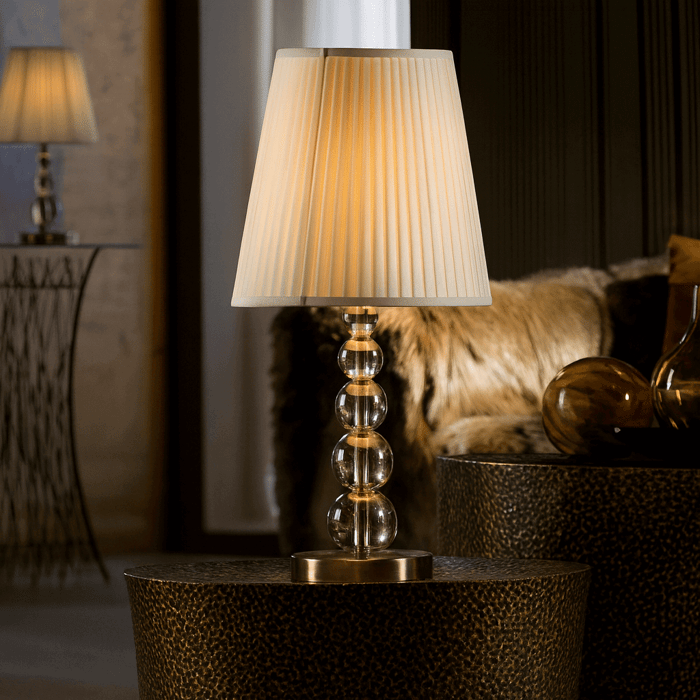
Living rooms & libraries: Vintage brass table lamps provide warm, focused lighting ideal for reading corners and conversation spaces.
Bedrooms: Ceramic table lamps for living room or bedroom settings offer soft glow and visual texture.
Home offices & studios: Opt for lamps with slimmer profiles or LED enhancements for task-oriented illumination.
Transitional spaces: Blended designs work best, especially when maintaining cohesive flow across open areas. In larger rooms, complement them with traditional floor lamps to create vertical layers of light and a well-balanced ambiance.
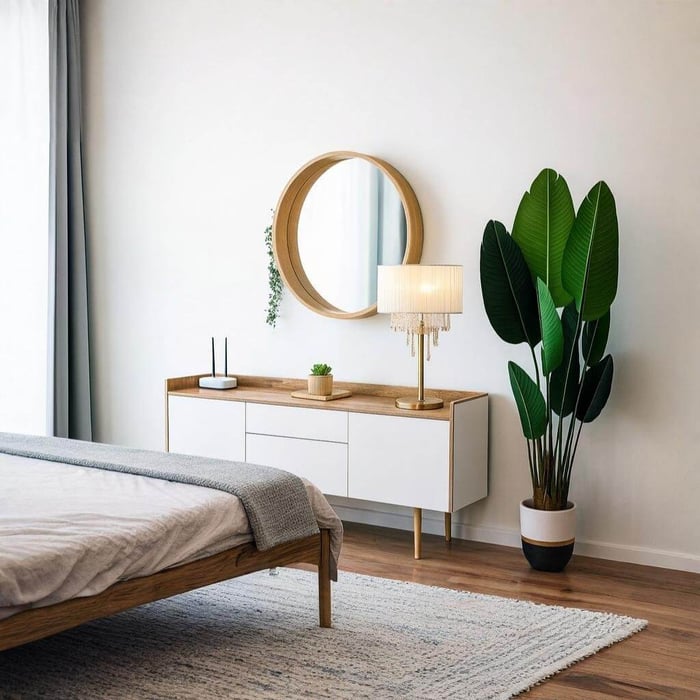
The key is understanding how each lamp’s scale, brightness, and finish interact with the surrounding furniture.
Choosing Finishes, Shades, and Proportions For Table Lamps
Maintenance And Care Tips For Traditional Table Lamps
To preserve your lamps for years:
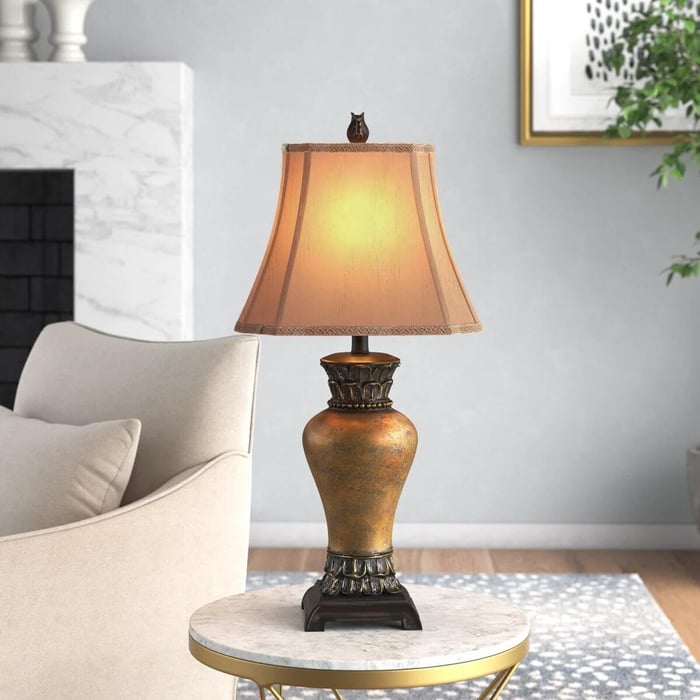
Cleaning: Use a microfiber cloth on ceramic and metal bases; for stained glass shades, clean with gentle, ammonia-free solutions.
Bulb Care: Replace LEDs every few years to maintain consistent brightness and tone.
Safety Tips: Avoid placing lamps near heat sources or high-traffic areas where cords may be pulled.
Longevity: High-quality traditional lamp shades and bases often last decades when cared for properly.
With routine care, your fixtures will remain both functional and visually compelling.
Conclusion
FAQs
What makes a table lamp “traditional”
Ornate bases, warm finishes, classic silhouettes, and materials like brass, ceramic, wood, or stained glass.
Do traditional table lamps work in modern interiors?
Yes, they add warmth and character, softening minimalist lines and pairing well with neutral palettes.
What bulbs are best for traditional table lamps?
Warm white LED bulbs, preferably frosted, for a cozy glow with energy efficiency.
How do I choose the right height for a table lamp?
Aim for the bottom of the shade to sit at about eye level when you’re seated next to it.
How should I clean traditional table lamps?
Dust bases with a microfiber cloth and use gentle, ammonia-free cleaner on stained glass; check cords and replace LEDs as needed.